
Lineali
Rulers for precise measurement, marking, and inspection
Rulers are tools for precise measuring, drawing straight lines, checking edges, and preparing materials before cutting, drilling, assembling, or installing. They are essential in workshops, repair shops, construction sites, furniture manufacturing, hobby studios, and for home repairs. A well-chosen ruler facilitates consistent measurements, reduces cutting errors, and aids in the precise fabrication of parts made of wood, metal, plastic, drywall, laminate, panels, and other materials.
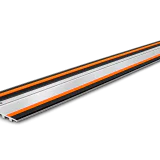
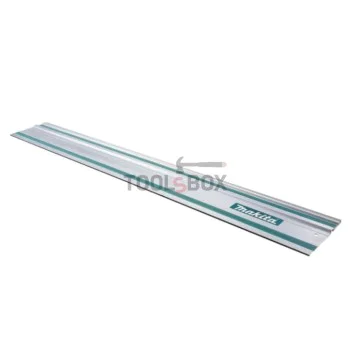
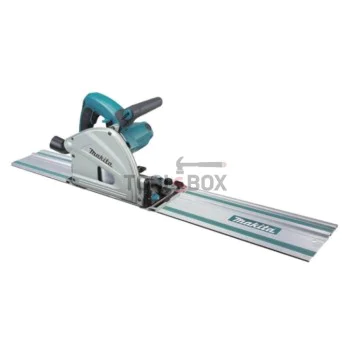
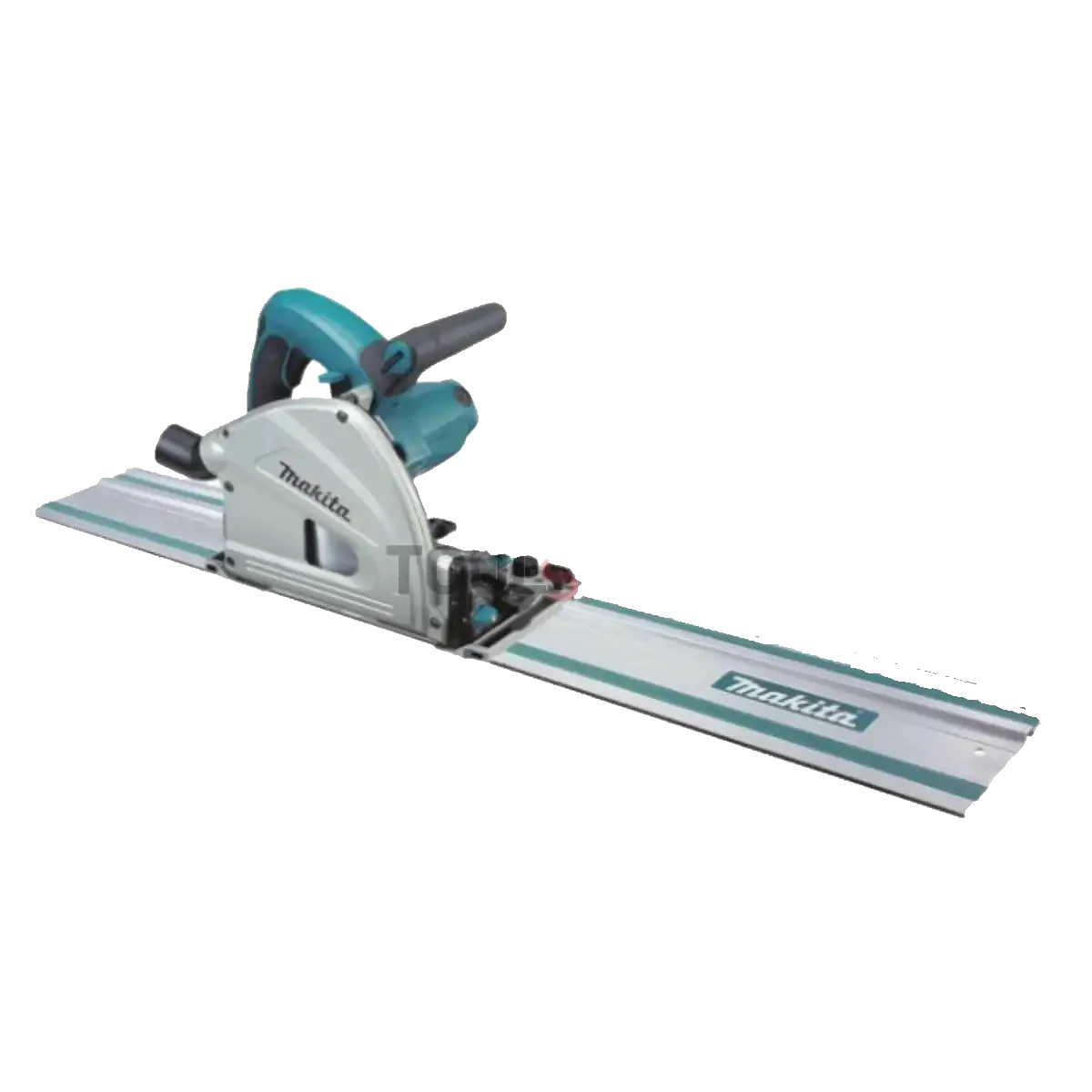
The range of rulers includes various lengths, materials, profiles, and types of scales. Some models are primarily designed for measuring and marking, while others are more stable and are used as a straight guide edge when working with a knife, jigsaw, circular saw, reciprocating saw, or hand tool. Accessories of this type complement power tools and hand tools, as a precise line before processing is directly linked to the quality of the final piece.
What do rulers include and where are they used
Rulers can be made of metal, aluminum, steel, or plastic; they can be foldable, flat, T-shaped, handle-mounted, or reinforced-edge. The choice depends on the material being worked on, the required measurement length, and the marking method. For small assembly tasks, a compact model that fits in a toolbox is convenient. For cutting panels, insulation, drywall, or sheet metal, a longer and sturdier ruler with clearly visible markings yields better results.
In woodworking, a ruler helps mark cuts, check details, and align pieces before assembly. For metal workpieces, a more durable surface is desirable, one that isn't easily damaged by a blade, marker, or awl. In construction, long rulers are useful for leveling in a straight line, marking cuts, and checking surfaces. For home repair projects, they are used when installing shelves, cornices, wall panels, flooring, and decorative trim.
Main types of rulers
| Type of ruler | Practical application | What to consider |
|---|---|---|
| Metal ruler | Measuring, marking, and working with cutting tools on hard materials | Thickness, bending resistance, scale legibility |
| Aluminum ruler | Marking surfaces, installation, light workshop tasks | Profile, weight, portability |
| Long straight ruler | Cutting sheet materials and checking straightness | Length, stability, presence of a grip |
| Folding or compact ruler | On-site work, maintenance tasks, measurements in confined spaces | Mechanism, accuracy of extension, type of graduations |
How to choose the right ruler
When buying a ruler, first consider the length. Short models are convenient for small details, electrical work, maintenance tasks, and marking in tight spaces. Medium sizes are practical for general workshop use. Long versions provide better control when working with panels, strips, profiles, and materials of large width or length.
The material affects durability, weight, and handling. Steel rulers remain stable when in contact with sharp tools and are preferred for metal, leather, cardboard, and technical materials. Aluminum models are lighter and easier to carry, and even with a thicker profile, they maintain good straightness. Plastic versions are lightweight and suitable for marking on delicate surfaces when not using a sharp edge along the very edge.
The scale should be easy to read under varying lighting conditions. Clear millimeter markings, contrasting numbers, and durable markings save time during a series of measurements. For high-precision tasks, it is best for the scale to start at the very end of the ruler or to have a clearly marked zero point. When marking with a pencil, marker, awl, or chisel, the edge must be straight, smooth, and free of deformations.
Profile, Thickness, and Ease of Use
A flat ruler is convenient for marking on paper, cardboard, thin sheets, and small parts. A thicker profile sits more stably on the material and is easier to press down. A ruler with a handle or raised edge reduces finger contact with the cutting line when working with a knife. When used with a power tool, the edge must be sufficiently sturdy, and the ruler itself must be securely fastened with clamps or another safe support.
Some models feature hanging holes, a non-slip base, a dual scale, or angle markings. These features are useful for repetitive tasks and when working in confined spaces. For construction and installation tasks, a longer ruler with a wider profile provides more stable support, while for maintenance use, the compact size allows for easier storage in a drawer, box, or case.
Accuracy, tool compatibility, and safety
A precision ruler works best in combination with a suitable pencil, marker, awl, knife, clamps, protractor, tape measure, or level. For long cuts, it is advisable to secure the ruler to the material so that it does not shift during use. When cutting with a craft knife, your hand should remain outside the blade's path, and the ruler should have a sufficiently wide support area. When working with metal edges, it is wise to watch for burrs and injuries along the edge.
Compatibility with a specific task is not limited to size alone. For soft materials such as cardboard, foil, or insulation, a long and lightweight ruler is useful. For sheet metal, hard plastic, or technical workpieces, a sturdier metal version is more suitable. For furniture panels and construction sheet materials, stability and a straight edge are more important than compactness.
Maintenance and Storage of Rulers
A ruler retains its accuracy longer when stored in a dry place, free from twisting and pressure from heavy tools. Metal models should be protected from moisture and corrosive contaminants, and the scale should be cleaned carefully, without abrasives that scratch the markings. A bent, chipped, or heavily worn edge does not produce a clean line and should be set aside for non-precision tasks.
When transporting in a case or bag, it is advisable to protect the ruler from impact with sharp tools. Long models can be hung vertically or kept in a flat position to prevent deformation. Regularly checking the straight edge against a flat surface is an easy way to avoid inaccurate markings during subsequent work.
Rulers for workshops, installation, and repair from Toolsbox.bg
Choose rulers based on length, material, scale, and the type of work you perform most often. At Toolsbox.bg, you can select measuring and marking tools for professional use, service work, construction, installation, and precision home repairs. Compare models by size, profile, and application to equip your workspace with an accurate and convenient tool for everyday tasks.