
Masks with filter
Respiratory protection masks
Filter masks protect the respiratory tract when working in environments with dust, fine particles, aerosols, odors, or certain chemical vapors, depending on the type of filter installed. Filter masks are worn during construction, sanding, cutting, painting, cleaning, installation work, maintenance operations, and workshop work. They are part of personal protective equipment and complement safety goggles, gloves, hard hats, and other protective clothing.
When selecting such protection, the key factors are the work environment, the type of contaminants, the duration of wear, and the compatibility between the mask and the filter elements. Different models vary in design, face seal material, fastening method, presence of an exhalation valve, filtration class, and the ability to replace cartridges or pre-filters.
Types of Filter Masks by Design
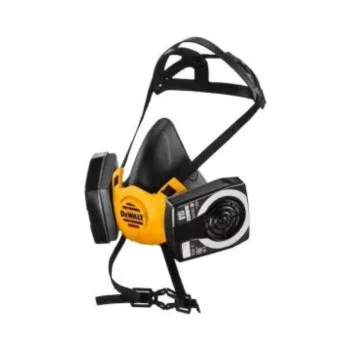
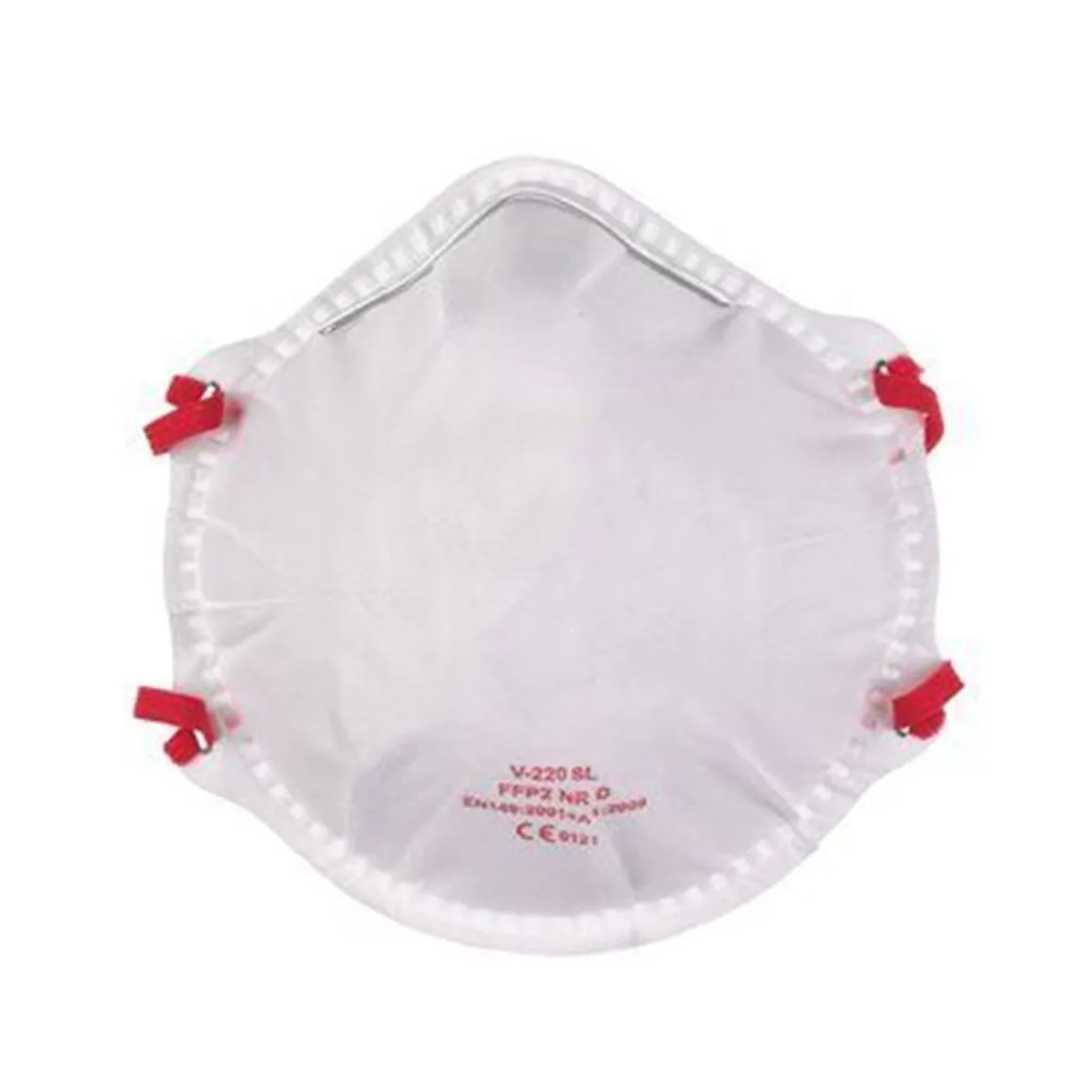
Filter masks can be disposable filtering masks, half-masks with replaceable cartridges, or full-face masks with a larger coverage area. Disposable models are convenient for short-term exposure to dust and fine particles. They are usually lightweight, foldable, or cup-shaped, with a metal nose clip and elastic straps for fastening.
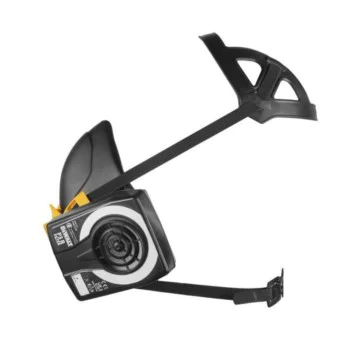
Half-masks cover the nose and mouth and use replaceable filters. This type is preferred for longer work sessions because the mask body remains in use, while the filter elements are replaced according to contamination levels and the manufacturer's instructions. Models with two side filters distribute the weight more evenly and provide better visibility of the work area.
Face masks with wider coverage also protect the eyes from dust particles, splashes, and aerosols when designed for this purpose. They are valuable for painting, working with chemicals, surface preparation, and other tasks where irritants reach both the eyes and the respiratory tract simultaneously.
Applications in renovation, construction, and workshops
Filter masks are used when working with wood, concrete, metal, drywall, insulation, and painted surfaces. During cutting, chiseling, and sanding, fine particles are released into the air that are not easily visible but are inhaled during prolonged work. When painting, varnishing, or working with solvents, you need the right filter for the specific type of fumes, not just standard dust protection.
For home use, masks are useful during home renovations, cleaning attics and basements, working with powdered construction mixtures or garden chemicals, whenever respiratory protection is indicated. For professional use, priority is given to comfort during prolonged wear, a secure fit, easy replacement of consumables, and the availability of the correct filters for the specific task.
How to Choose Filter Masks
When selecting filter masks, the choice starts with the contaminant. For dust, shavings, and construction particles, look for models with particulate filters designated by the manufacturer with the appropriate class. For organic vapors, acid gases, ammonia, or mixed environments, select special cartridges with the required marking, provided the specific model supports such consumables.
- Filtration type: dust filters, gas cartridges, or combined filters depending on the task.
- Face fit: a soft seal, adjustable straps, and a stable shape reduce leaks around the nose and chin.
- Wearing comfort: weight, exhalation valve, and filter distribution affect fatigue during long shifts.
- Compatibility: Filters, holders, and pre-filters must be compatible with the specific mask series.
- Maintenance: Replaceable components, easy cleaning, and proper storage extend the mask's service life.
Comparison of Key Solutions
| Mask type | Work environment | Key Features |
|---|---|---|
| Disposable filtering mask | Dust, fine particles, short-term repair work | Lightweight design, quick to put on, no filter replacement |
| Half-mask with replaceable filters | Construction, workshop, painting, installation | Replaceable cartridges, better fit, reusable |
| Full-face mask | Dust, aerosols, splashes, and environments with eye irritants | Covers eyes, nose, and mouth, larger protection area |
Filters, consumables, and compatibility
The filter is the component that determines what the mask protects against. Dust filters trap particles from grinding, cutting, drilling, and working with dry construction mixtures. Gas filters are designed for specific groups of gases and vapors, identified by letters and colors according to the manufacturer's system. Combined options provide protection against both particles and gases when the task requires it.
Compatibility should not be overlooked. Not every filter fits every mask, because the connection, bayonet mount, thread, or holder may differ. When purchasing, check the mask series, the type of attachment, and the instructions for the filter elements. Pre-filters and their caps are useful in dusty environments because they trap larger particles and protect the main cartridge.
Safety, Fit, and Maintenance
Filter masks work properly only when they fit snugly against the face. A beard, improperly adjusted straps, or a deformed seal can create gaps. Before starting work, put on the mask according to the instructions, adjust the straps without over-tightening, and perform a quick seal check by inhaling and exhaling, if the manufacturer describes such a procedure.
Masks with a filter and an exhalation valve reduce the buildup of heat and moisture during physical exertion. This is convenient when working in a workshop, on a construction site, or in a closed, dusty room. After use, reusable masks should be cleaned according to the instructions, left to dry, and stored in a clean box or bag, away from dust, oils, and chemicals. Filters should be replaced if breathing becomes difficult, if there is visible contamination, if there is an odor through the mask, or if the expiration date specified by the manufacturer has passed.
Filter masks for professional and home use
Filter masks provide practical protection for craftsmen, installers, painters, carpenters, technicians, construction crews, and discerning home users. A well-chosen model reduces exposure to harmful particles and irritating fumes, facilitates concentration while working, and contributes to a safer work environment.
Select filter masks based on the task, type of contamination, required filtration class, and compatible consumables. At Toolsbox.bg, you can compare different models and choose a solution for repair, construction, workshop, service, or home maintenance.