
Pneumatic tools
Pneumatic tools for use with compressed air
Pneumatic tools are used with a compatible compressor and air line to provide powerful, consistent, and convenient performance during installation, repair, maintenance, painting, cleaning, and material processing. They are preferred in auto repair shops, manufacturing facilities, workshops, and construction sites, but they also have a place in a well-equipped garage. The absence of an electric motor in the tool itself reduces its weight, and operating with compressed air allows for continuous use when paired with a properly selected compressor.
In this section, you will find models for tightening and loosening fasteners, grinding, cutting, drilling, cleaning, blowing, painting, hammering, and fastening. They differ in operating pressure, air consumption, connection size, torque, speed, impact mechanism, nozzle type, and intended use. The right choice saves time, protects fasteners, and improves control over every operation.
Main Groups of Pneumatic Tools
Pneumatics encompasses many types of tools, each with a specific role in the work process. For maintenance tasks, impact wrenches and ratchets are the most in-demand; for metal and woodworking, grinders and drills are used; and for finishing operations, spray guns, blow guns, or tack guns are often employed.
- Pneumatic wrenches-for loosening and tightening bolts and nuts, including in automotive repairs, tire changes, structural assembly, and work with threaded connections.
- Pneumatic ratchets-convenient for tight spaces where a standard impact wrench or hand wrench is difficult to use.
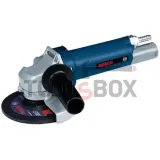
- Pneumatic grinders and polishers-for cleaning welds, smoothing edges, surface preparation, and finishing.
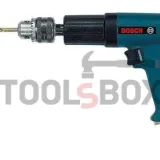
- Pneumatic drills-for drilling into metal, plastic, wood, and other materials depending on the drill bit and operating parameters.
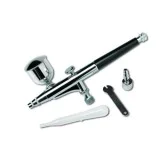
- Spray guns-for the even application of paints, varnishes, primers, and protective coatings.
- Air blow guns-for removing dust, shavings, and debris from hard-to-reach areas.
- Pneumatic hammers, chisels, and breakers-for heavy-duty work on metal, stone, plaster, or concrete surfaces, depending on the specific attachment.
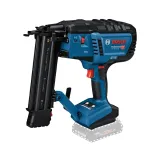
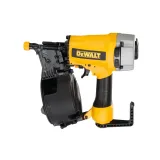
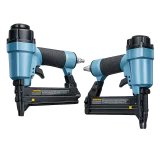
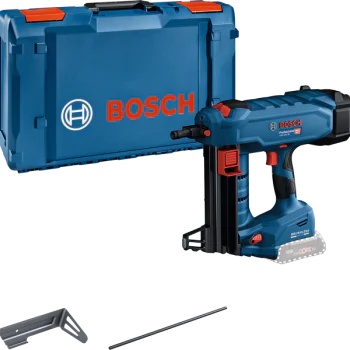
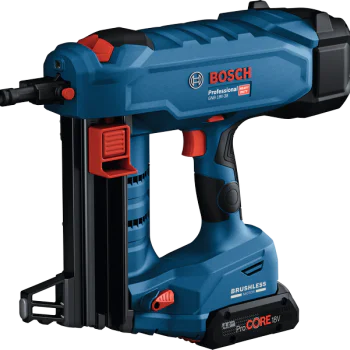
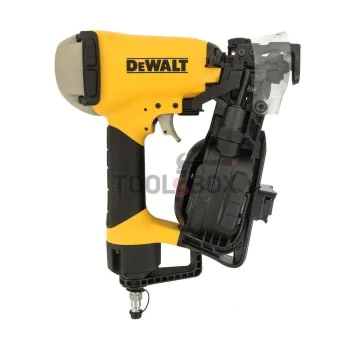
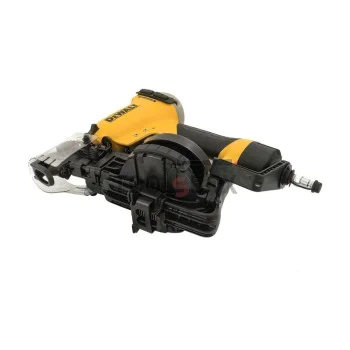
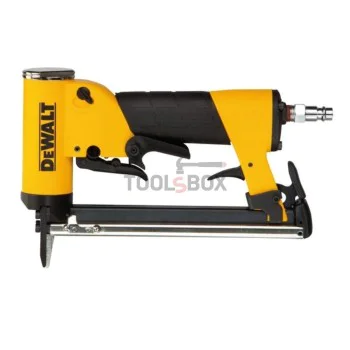
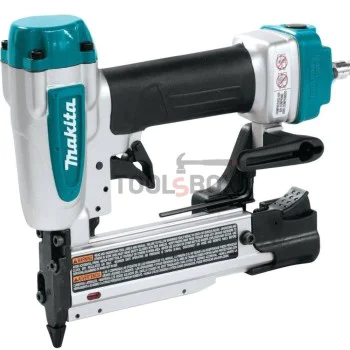
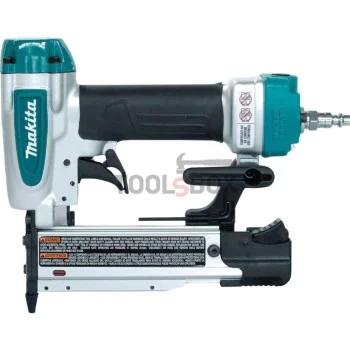
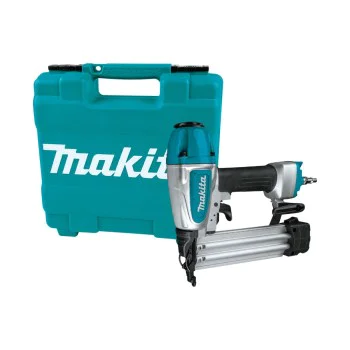
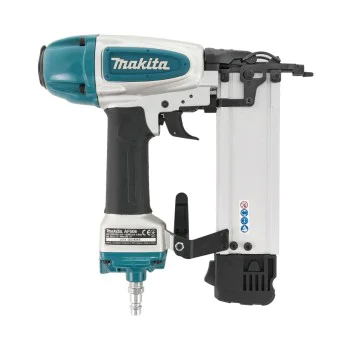
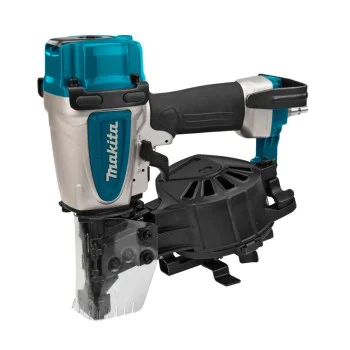
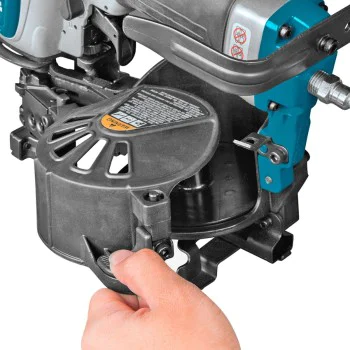
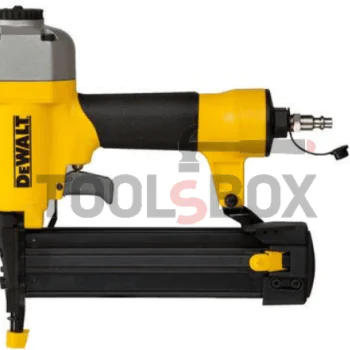
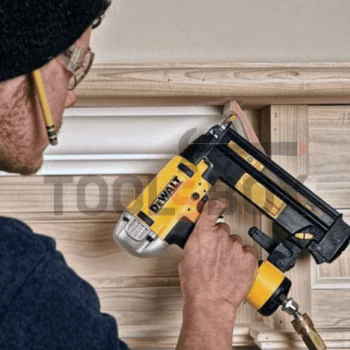
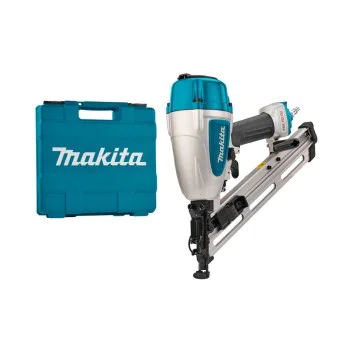
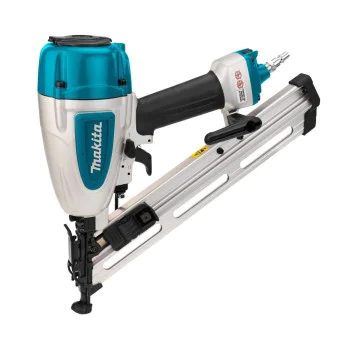
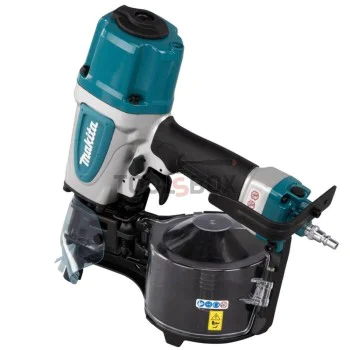
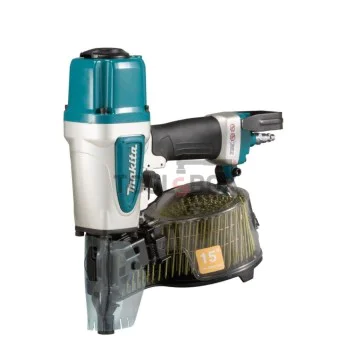
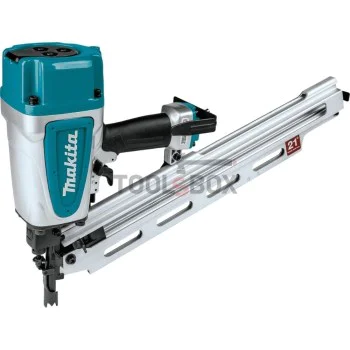
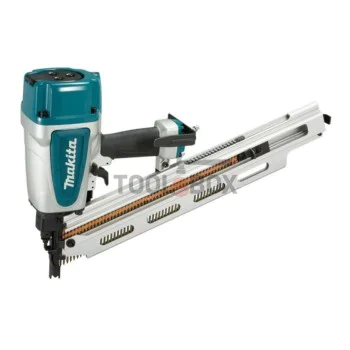
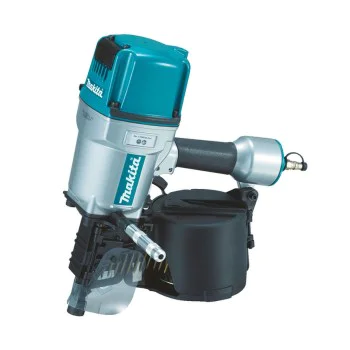
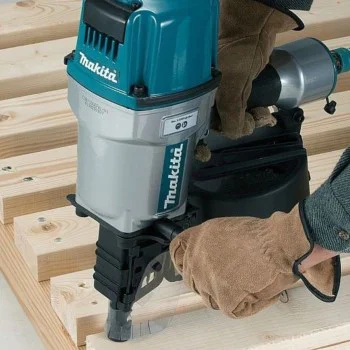
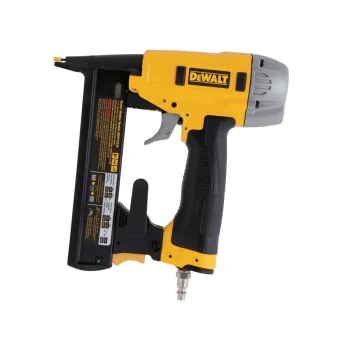
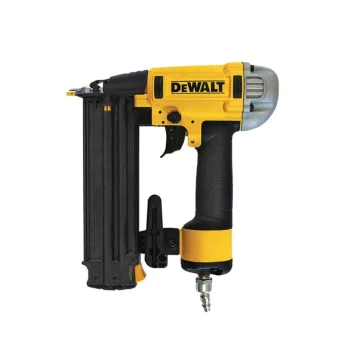
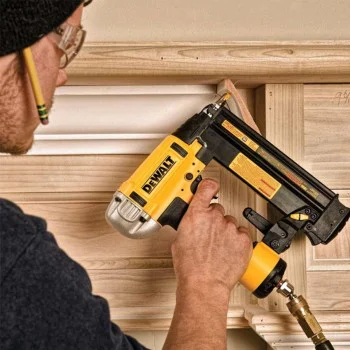
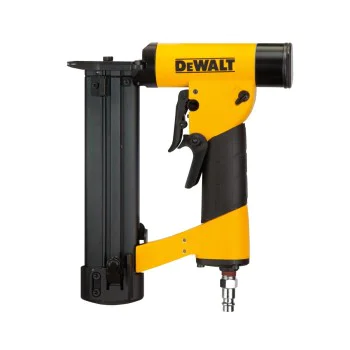
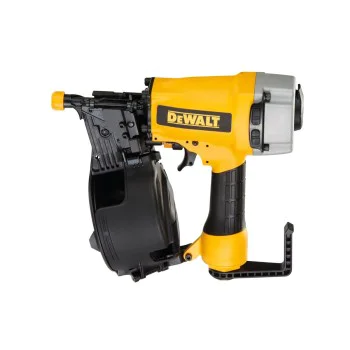
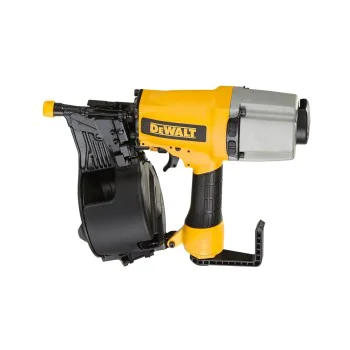
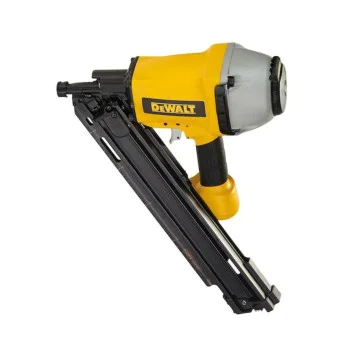
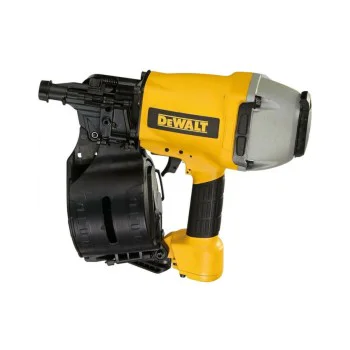
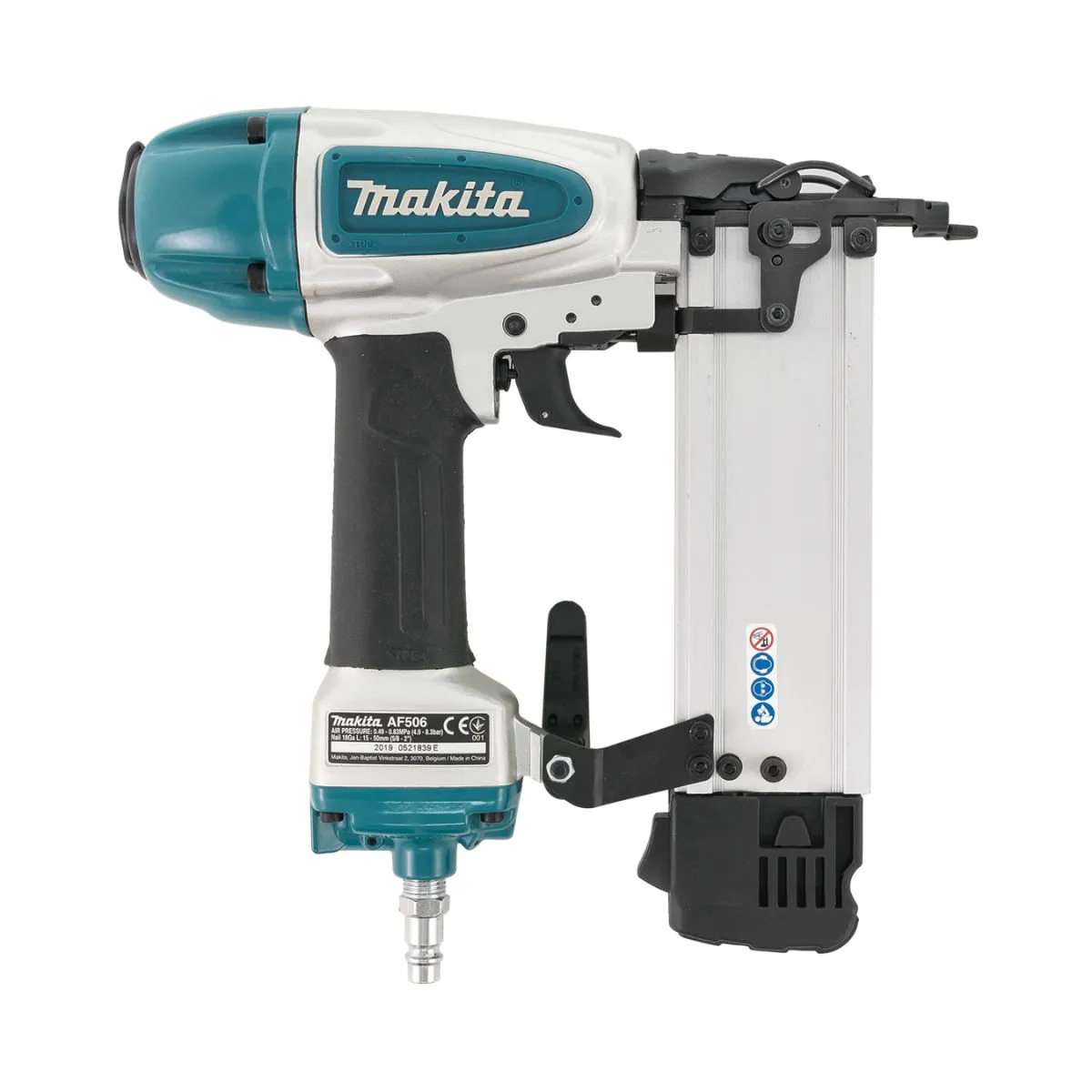
- Pneumatic nailers and staple guns-for furniture manufacturing, carpentry, paneling, packaging, and assembly tasks.
Compatibility with compressors and air systems
The operation of pneumatic tools depends on a stable air flow. When selecting a compressor, ensure its air flow rate meets the tool's specified consumption as indicated by the manufacturer. A tool with higher air consumption will operate unevenly with a small compressor, and interruptions to restore pressure will slow down the task. For service wrenches, grinders, and paint spray guns, a larger air reserve is usually required, while blow guns and compact ratchets place less strain on the system.
The hose, quick-connect fittings, and pressure regulator play a significant role. A hose that is too thin or too long restricts the flow and reduces the tool's power. A well-chosen fitting with the correct diameter ensures a steady flow, and a moisture filter protects the internal mechanisms from corrosion and deposits. For tools that require lubrication, a lubricator or periodic addition of special pneumatic oil is useful.
How to Choose the Right Model
The selection process starts with the task at hand. For car wheels and heavy-duty threaded connections, consider torque, square size, and impact mechanism type. For grinding, the key factors are RPM, disc size, grip, and weight. For paint spray guns, the nozzle, spray adjustment, cup volume, and compatibility with the specific coating are key factors. For nail guns and staple guns, the length and type of fasteners, magazine capacity, and comfort during prolonged use are selected.
For professional use, look for models with a durable body, a precise trigger, good heat resistance of the seals, and easy maintenance. For home use and occasional repairs, lighter and more compact models often provide sufficient power for lower compressor requirements. Always check the tool's technical specifications against the compressor's parameters, as well as the available hoses, quick-connect fittings, and nozzles.
Ergonomics, Control, and Safety
Pneumatic tools operate at high energy levels, so a comfortable grip and good control are essential for precision. Rubberized handles, a balanced body, an adjustable trigger, and air exhaust directed away from the operator reduce fatigue. On impact wrenches, torque adjustment helps ensure precise tightening, while on grinders, a protective guard and the correct disc are essential for safe operation.
Personal protective equipment is required depending on the task: safety goggles for blowing and grinding, ear protection for noisy tools, gloves for assembly, and a mask for painting or dusty environments. Before changing a consumable, nozzle, insert, or tip, turn off the air supply. Tools should not be pointed at people, and the working pressure should be set according to the manufacturer's instructions.
Consumables and Maintenance
The long service life of pneumatic tools depends on clean air, proper lubrication, and timely replacement of worn consumables. Various tools use inserts, bits, discs, sanding discs, chisels, nozzles, needles, seals, clamps, nails, and other accessories. Their selection must correspond to the size, speed, operating pressure, and the material being processed.
After use, it is advisable to clean the tool of dust, shavings, or paint, and to keep the connectors free of contamination. Condensate from the compressor should be drained regularly, as moisture in the system shortens the life of the pneumatic mechanisms. During prolonged use in a service center or workshop, proper air preparation using a filter, regulator, and lubricator reduces wear and maintains consistent performance.
Pneumatic Tools for Service, Workshops, and Installation
Well-chosen pneumatic tools make work faster, more controllable, and more comfortable, provided they are compatible with the compressor and the specific application. Browse the models at Toolsbox.bg and choose a solution for your service center, workshop, construction site, or home repair project based on the required power, air flow, size, and accessories.