
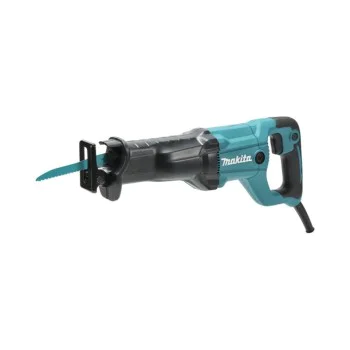
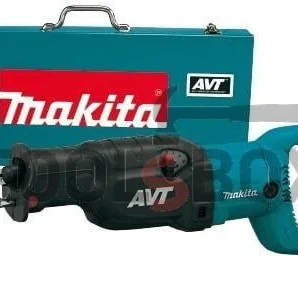

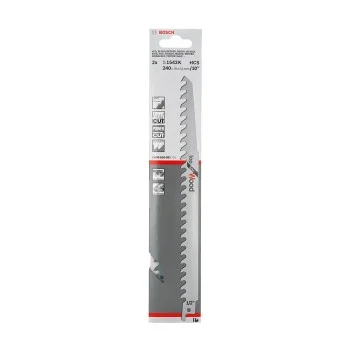
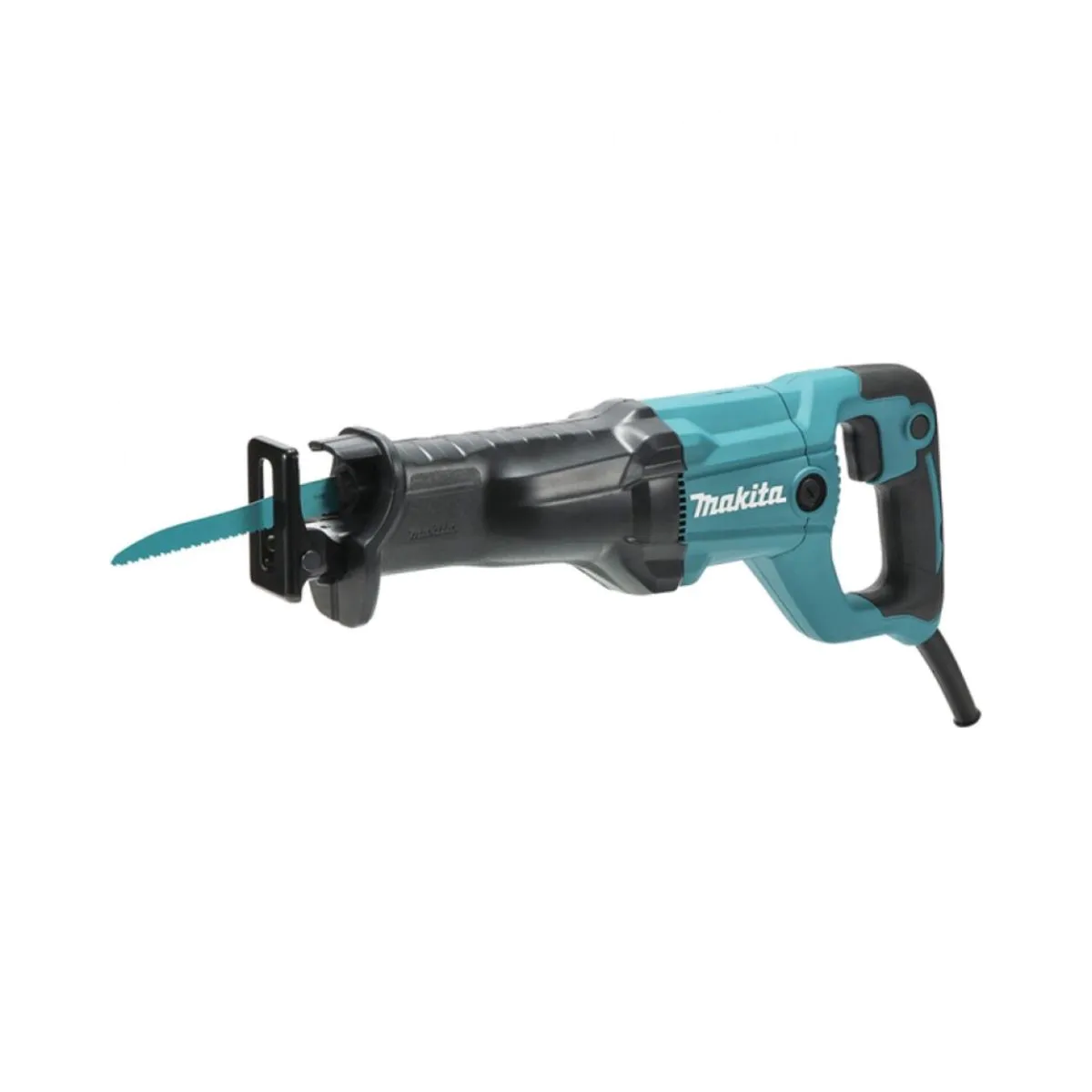
Electric hacksaw
Electric jigsaw for precise and controlled cutting
An electric jigsaw is a practical power tool for quickly cutting wood, metal, plastic, drywall, panels, and various building materials. It operates with a reciprocating blade motion and allows for cutting straight lines, curves, holes, hard-to-reach areas, and sections where a standard circular saw or hand saw is not practical. The tool is invaluable for repairs, installation, dismantling, woodworking tasks, maintenance work, and finishing jobs.
This type of jigsaw is preferred by craftsmen, installers, construction crews, and demanding DIYers because it combines compactness, good maneuverability, and control over the cut. With the right blade, the tool handles rough cutting, shaping openings, shortening pipes, trimming battens, and cutting laminated panels, PVC profiles, and thin metal elements. When working with different materials, the choice of blade and the speed setting directly affect the cleanliness of the cut and the pace of work.
What electric jigsaws have in common
Electric jigsaws differ in power, blade stroke, cutting depth, speed control, grip, weight, and blade replacement method. More compact models are convenient for overhead work, furniture assembly, adjustments to wooden parts, and repair work in tight spaces. More powerful machines are chosen for prolonged use, cutting thick beams, metal profiles, pipes, or higher-density materials.
Some models offer variable speed control via the trigger or a separate regulator. This makes it easier to start the cut and reduces the risk of surface damage. The pendulum action feature speeds up cutting in wood and softer materials, while metal is typically cut with a more controlled motion. Quick blade changes without an additional wrench are convenient when switching between different tasks throughout the workday.
Main applications in repair, installation, and workshop
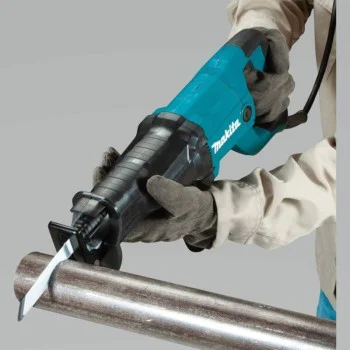
The electric jigsaw is useful for various tasks requiring flexible cutting without a bulky stationary machine. In construction repairs, it is used for cutting openings in drywall, making adjustments to wooden structures, trimming battens, removing old elements, and shortening pipes. In a workshop, it helps with cutting materials, preparing workpieces, and shaping parts before final finishing.
- Wood and panels: cutting boards, OSB, plywood, laminated panels, battens, and frames.
- Metal: cutting thin-walled profiles, studs, pipes, and light metal structures with a straight blade.
- Plastic and PVC: processing of ducts, pipes, profiles, and panels during installation work.
- Demolition: separating old elements, cutting fasteners, and cutting materials to size before removal.
- Finishing work: shaping openings, cutouts, and adjustments for furniture, cladding, and lightweight structures.
Choosing an electric jigsaw based on the task
When choosing an electric jigsaw, consider the material, the thickness of the workpieces, the frequency of use, and the required precision. For home repairs and occasional use, a compact machine with a comfortable grip and speed control is a practical solution. For service, installation, or construction work, look for a model with higher power, a sturdy body, good motor ventilation, and easy blade replacement.
Power affects the machine's ability to maintain a consistent pace under load. Stroke length determines how much material is removed with each stroke, and a longer stroke allows for faster cutting in wood. Variable speed is useful when working with metal, plastic, and delicate surfaces. An ergonomic grip and weight are essential for prolonged use or working in an awkward position.
Also pay attention to the power source. A corded jigsaw is a good choice for a workshop, on-site repairs with access to power, and longer tasks. Cordless models offer freedom when working on-site, but you'll need to consider voltage, battery capacity, and compatibility with the charger and battery platform. When working continuously with hard materials, a corded power source remains the most reliable solution.
Blades and Compatibility with Accessories
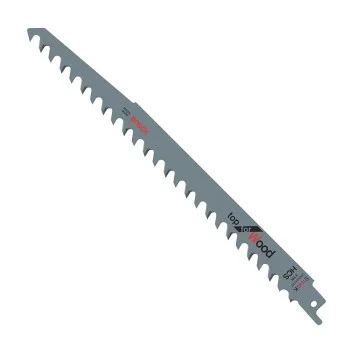
The cutting result depends heavily on the blade selected. Wood blades have coarser teeth and remove chips more quickly. Metal blades have finer teeth and operate at lower speeds to preserve the cutting edge. For plastic, laminated panels, and composite materials, select blades with the appropriate tooth profile to ensure a controlled cut.
When purchasing, check the blade's shank type, maximum length, recommended material, and permissible workpiece thickness. Compatible accessories make work easier, reduce vibrations, and protect the machine from excessive strain. For professional use, it is advisable to keep several types of blades in your toolbox: for wood, for metal, for quick rough cuts, and for a cleaner cut.
Safety, Control, and Maintenance
The electric jigsaw operates with an exposed cutting tool, so a firm grip and proper support of the workpiece are essential for safe operation. Wear safety goggles, gloves appropriate for the task, and hearing protection during prolonged cutting. The workpiece must be secured, and the cord or battery must not interfere with movement. When cutting metal, avoid excessive pressure, as this heats the blade and shortens its lifespan.
Maintenance is easy but should not be neglected. Clean the area around the blade clamp of dust and shavings, monitor the wear of the blade, and replace the blade when it loses its cutting ability. For models with an adjustable support foot, check that it is securely fastened, as this helps ensure stable contact with the material and reduces vibration. Store the machine in a dry place and protect it from dust, especially when used on a construction site.
Electric jigsaw for professional and home use
A well-chosen electric jigsaw saves time when cutting, makes dismantling easier, and expands your workshop's capabilities. For professionals, it is a portable tool for various materials on-site, and for home users-a practical machine for repairs, assembly, adjustments, and maintenance. Browse the offerings at Toolsbox.bg and choose an electric jigsaw based on power, grip, the required blades, and the nature of the work ahead.