
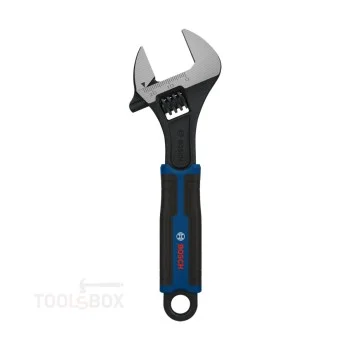
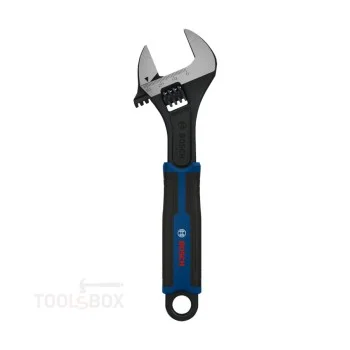
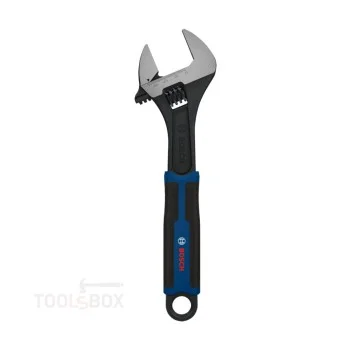
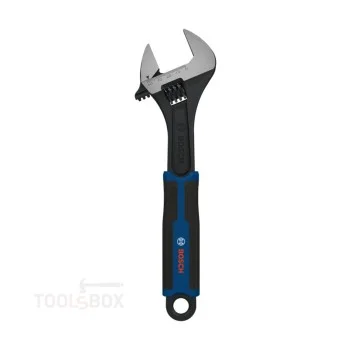
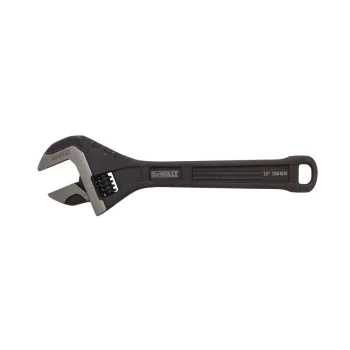
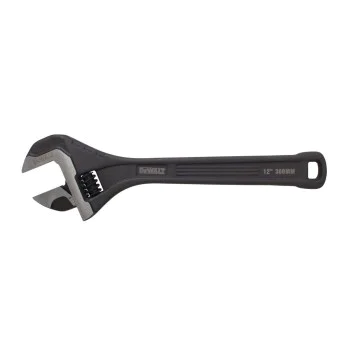
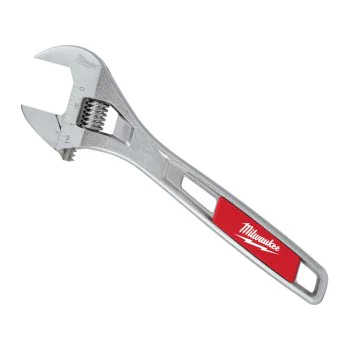
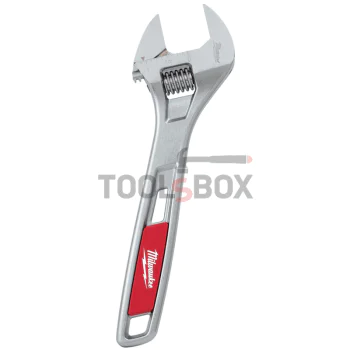
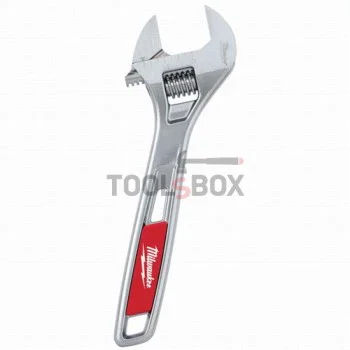
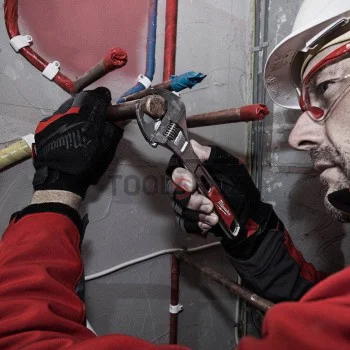
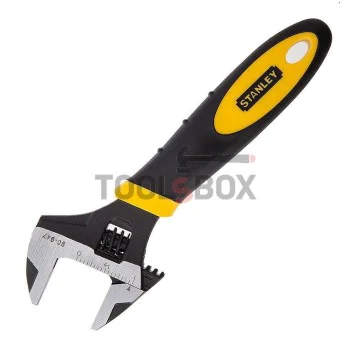
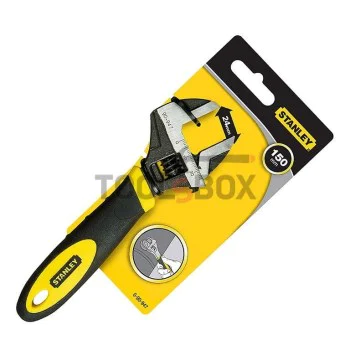
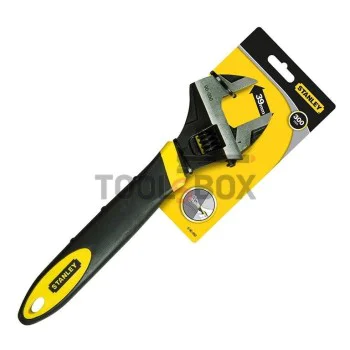
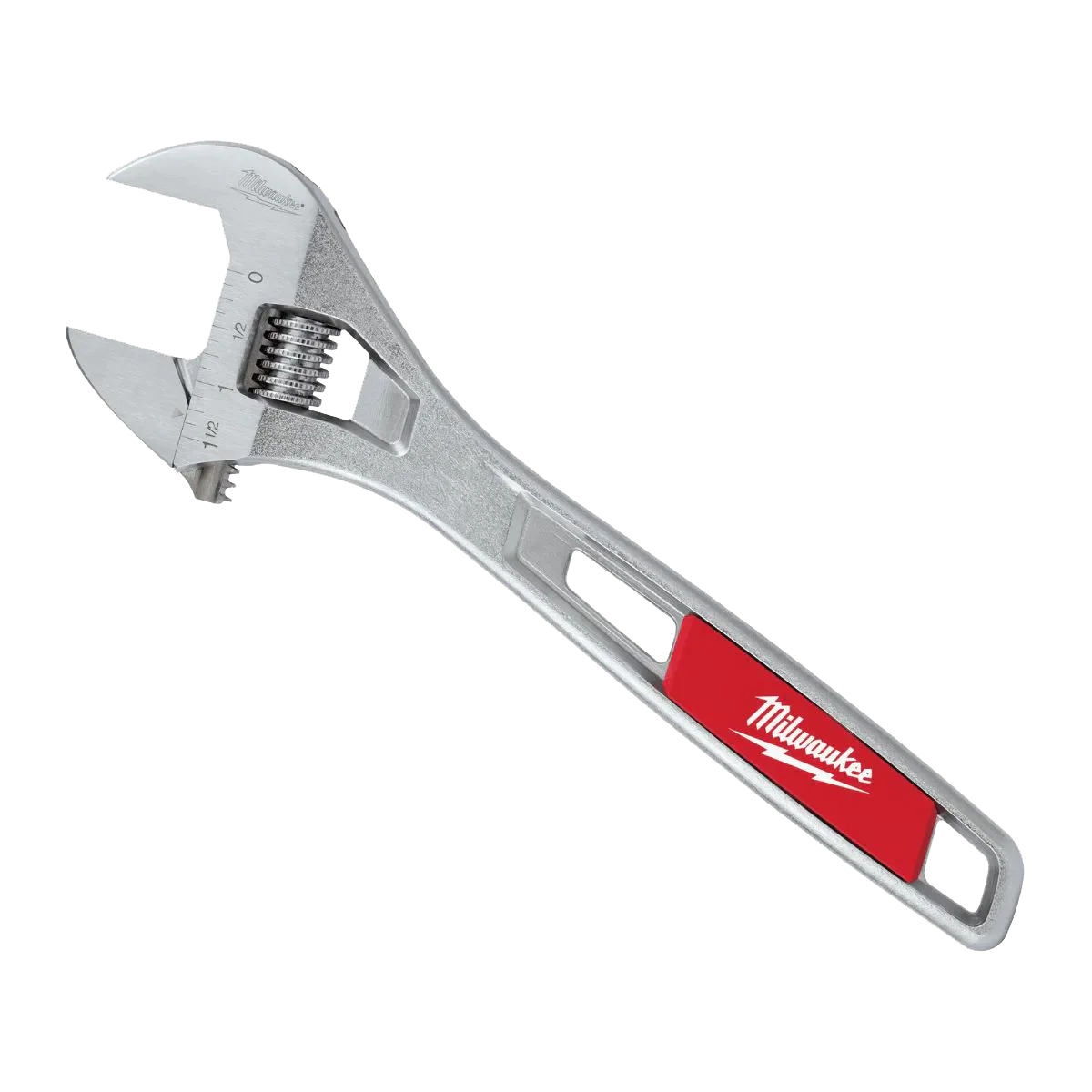
French key
Adjustable wrench for repair, installation, and maintenance
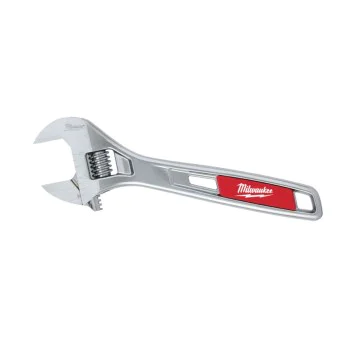
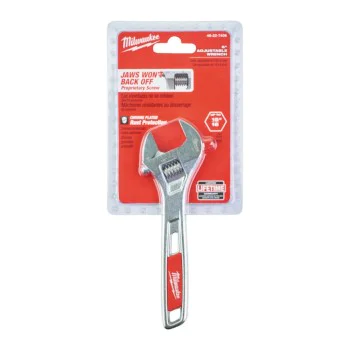
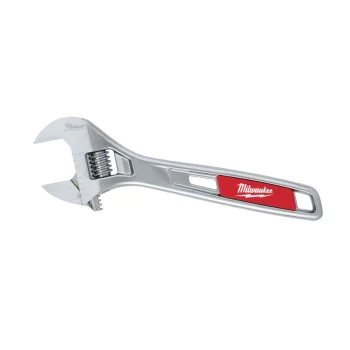
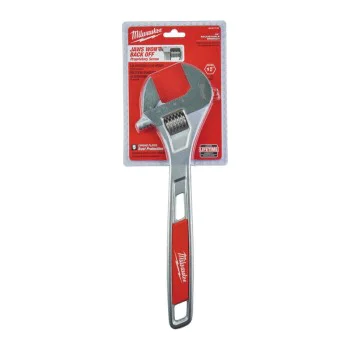
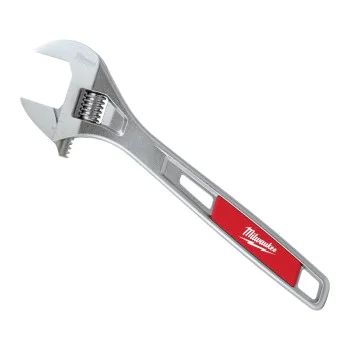
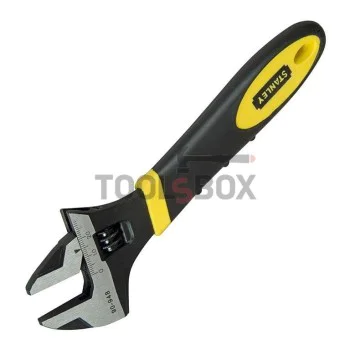
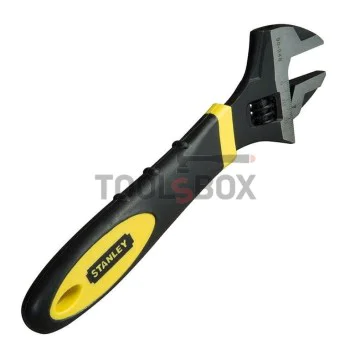
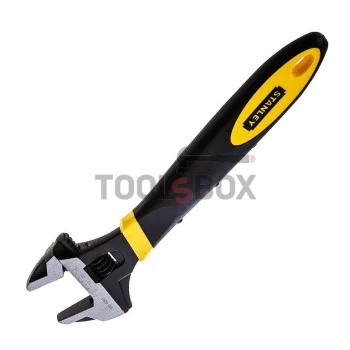
A French wrench is an adjustable wrench tool for tightening and loosening nuts, bolts, pipe fittings, and other hexagonal elements of various sizes. Its practicality comes from the movable jaw, which adjusts to the part and replaces several standard wrenches during repair, installation, servicing, and maintenance. An adjustable wrench is used in workshops, garages, construction sites, plumbing work, metal structure assembly, and small home repairs.
As part of the hand tool set, this wrench is valuable wherever a quick grip is needed without having to search for an exact fixed size. It is convenient for mobile teams, technicians, installers, mechanics, and DIY enthusiasts who work with various fasteners and want a compact tool for multiple tasks. A well-chosen adjustable wrench ensures a secure grip on the nut, reduces slippage, and facilitates work in confined spaces.
What French Wrench Models Include
This group includes adjustable wrenches with varying lengths, opening widths, handle shapes, and finish types. Shorter models are convenient for tight spaces, installing small fittings, and light maintenance tasks. Longer models provide greater leverage and are preferred for tighter nuts, larger bolts, and work with metal components.
A French wrench is typically selected based on the maximum jaw opening and the actual size of the fasteners to be worked on. On some models, the scale on the head aids in preliminary adjustment, while the fine-tuning wheel facilitates precise alignment. Variants are available with polished, phosphated, chrome-plated, or other protective coatings that protect the metal and facilitate cleaning after use.
Applications in workshops, construction, and home maintenance
An adjustable wrench is used for installing bolted joints, repairing bicycles, machinery, and equipment, servicing heating and plumbing connections, and tightening nuts when assembling furniture and metal frames. The adjustable jaw makes it practical for mixed fasteners, when sizes change quickly and it is not convenient to carry a whole set of fixed wrenches.
- For plumbing and pipe connections: convenient for working with couplings, fittings, and nuts without damaging the part when properly fitted.
- For installation and repair: useful for shelving, metal structures, machinery, doors, fences, and fasteners of various sizes.
- For service work: practical in a toolbox, car, workshop, or mobile service bag.
- For home use: suitable for minor repairs, assembly, adjustment, and periodic maintenance.
Choosing a French wrench based on the task
Size is the first parameter to consider when selecting a wrench. A small French wrench is easier to carry and maneuver, but has a more limited opening and less leverage. Medium sizes cover many everyday tasks in the garage and around the house. Larger models are designed for heavier-duty fasteners, pipe joints, and service work where more force is required.
The material and construction of the jaws affect grip and stability under load. Look for models with well-shaped working surfaces, smooth adjustment, and minimal play in the moving part. The handle also matters: a flat metal handle is easy to clean, while a rubberized or two-component handle improves control during prolonged use or with wet hands.
When working with decorative nuts, chrome fittings, or soft metals, precise jaw adjustment is required. A grip that is too loose leads to rounded edges, while excessive force can damage the part. A French wrench does not replace a torque wrench for connections where a specific tightening torque is specified, but it is very convenient for general assembly and disassembly.
Practical tips for use
For stable operation, the movable jaw should be adjusted to fit snugly against the nut, and the force should be applied smoothly. The wrench should be positioned so that the force passes through the more stable side of the jaw. This protects the adjustment mechanism and reduces the risk of slipping. For heavily soiled or rusted fasteners, it is advisable to first clean the area and use a suitable penetrating spray.
Maintaining a French wrench is easy but extends the tool's lifespan. After use, clean the metal surfaces of dust, moisture, grease, and construction debris. The adjustment mechanism operates more smoothly when it is clean and lightly lubricated. Storing the tool in a dry place, away from harsh chemicals, protects the finish and reduces the risk of corrosion.
Adjustable wrench for professional and home use
For professional use, look for models with precise adjustment, durable jaws, and a comfortable handle that doesn't tire the hand during a series of operations. For home use, a medium size is often sufficient, covering repairs to furniture, fasteners, fittings, and small equipment. The compact French wrench is a useful spare tool for a car, RV, boat, or first-aid kit.
At Toolsbox.bg, you can browse various models of adjustable wrenches and choose an option based on size, grip, material, and frequency of use. Select a tool that suits the actual tasks in your workshop, service center, construction site, or home, and complete your set with a practical adjustable wrench for quick and precise operations.