
Thermal cameras
Thermal imaging cameras for precise infrared diagnostics
Thermal imaging cameras are measuring devices used to visualize temperature differences on surfaces, installations, machines, and structural elements. They convert infrared radiation into a thermal image, which helps detect overheating, thermal bridges, hidden defects, and issues in electrical panels, plumbing lines, heating systems, and mechanical assemblies. During repairs, installation, maintenance, or energy audits, a thermal imaging camera saves time by directing attention to areas with anomalies without causing damage and without direct contact with the surface being measured.
Toolsbox.bg offers thermal imaging cameras for professional technicians, construction crews, electricians, HVAC specialists, service engineers, and discerning home users. The various models differ in temperature range, thermal resolution, sensitivity, display size, recording method, software processing, power supply, and additional features. This allows every customer to select a device based on the type of work, frequency of use, and the required image detail.
Applications of Thermal Cameras
Thermal imaging devices are used in many activities where temperature indicates the condition of a given system. In construction, they are used to inspect insulation, window frames, roofs, facades, and heated floors. Thermal imaging reveals areas with heat loss, moisture around cold spots, or uneven heating of floor loops.
In electrical installations, thermal cameras help locate overloaded connections, overheated terminals, defective fuses, contactors, and cable runs. Early detection of such areas aids in preventive maintenance and reduces the risk of accidents. In maintenance and manufacturing, these measuring devices are used to monitor bearings, gearboxes, motors, compressors, pumps, and other mechanisms where elevated temperatures may indicate friction, poor lubrication, or uneven loading.
In HVAC and plumbing applications, the infrared camera facilitates the inspection of radiators, piping, heat exchangers, air conditioners, and leaks associated with temperature differences. For home use, the device is practical for home inspections, checking insulation, locating cold spots around windows, or monitoring electrical appliances.
How do the different models differ?
For thermal cameras, technical specifications directly affect the level of detail and ease of use. Thermal resolution indicates how many measurement points make up the image. Higher resolution provides a clearer picture for more complex objects, greater distances, or the need for precise localization of small areas.
The temperature range defines the limits within which the device can measure. For inspections of buildings and household installations, a lower range is usually sufficient, while electrical inspections, industrial machinery, or heating systems require a higher upper limit. Thermal sensitivity indicates the camera's ability to detect small temperature differences. This feature is valuable when searching for subtle defects in insulation, moisture, or uneven heating.
Some models feature a visual camera, combining thermal and real-world images, color palettes, hot and cold spot marking, an alarm at a set temperature, photo or video recording, and connectivity to a computer or mobile device. For frequent inspections, a device with good ergonomics, a clear display, a sturdy housing, and an intuitive menu is convenient. For field work, battery life, housing durability, and the ability to store measurements are important.
Criteria for Selecting a Thermal Camera
The selection process begins with the actual task at hand. For building diagnostics during renovations and energy inspections, models with good sensitivity and user-friendly color palettes for identifying temperature differences on walls, ceilings, windows, and floors are useful. For electrical maintenance of switchboards and industrial equipment, devices with a wider temperature range, clear visualization of small details, and the ability to document results are required.
- Sensor resolution: affects the clarity of the thermal image and the detection of small defects.
- Temperature range: must correspond to the surfaces and systems to be inspected.
- Sensitivity: a lower value allows for the detection of finer temperature differences.
- Focus and distance: fixed or adjustable focus depending on close-up inspections, panels, machines, or building elements.
- Recording and reporting: photos, video, memory, and software are useful for service documentation and submitting reports.
- Power supply: rechargeable battery, replaceable batteries, or USB charging depending on the operating mode.
- Housing durability: an advantage for installation sites, service work, and carrying in a tool bag.
Accuracy, calibration, and proper operation
The thermal camera measures surface temperature, so proper calibration of emissivity, distance, and reflections affects the result. Metallic, shiny, and polished surfaces can reflect heat from the environment, requiring careful interpretation. When comparing areas, it is helpful to take measurements under similar conditions and with a stable temperature difference between the object and the environment.
For building inspections, the device provides the best visibility when there is a sufficient difference between the internal and external temperatures. For electrical panels, the circuit load must be active to reveal hot connections. For mechanical assemblies, the thermal image is evaluated in conjunction with sound, vibrations, load, and service history. Thus, the thermal camera becomes part of practical diagnostics, not just a tool for isolated measurements.
Accessories, Storage, and Maintenance
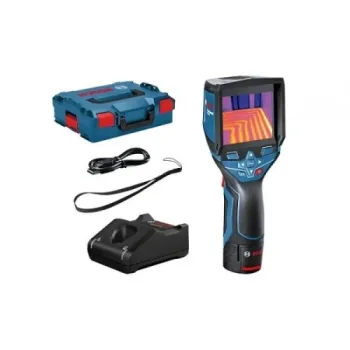
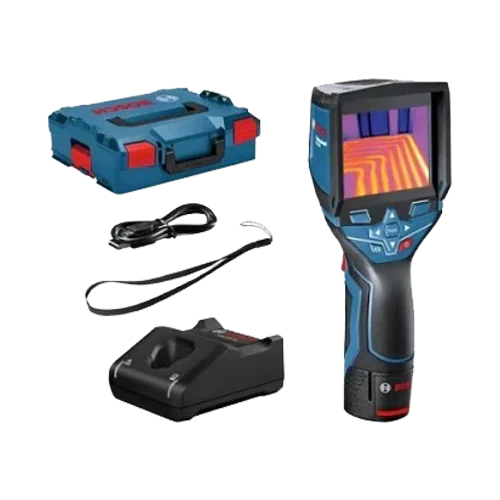
When choosing a thermal camera, pay attention to the included accessories: carrying case, charging or data transfer cable, memory card, software, strap, and protective caps. When working on-site, the case protects the device from dust, impact, and dirt. A clean lens is essential for a clear image, so it should be cleaned carefully with a suitable cloth, without using harsh chemicals.
Regular battery charging, storage in dry conditions, and protection from strong impacts extend the service life of the measuring device. For professional tasks where results are included in reports or service documents, check whether the selected model allows for saving files, adding notes, and convenient data review after the inspection.
Thermal Cameras for Service, Construction, and Maintenance
Thermal imaging cameras are a practical choice for quick, non-destructive diagnostics when you need to detect a hidden problem, confirm the condition of an installation, or document a temperature deviation. Choose a model based on the work environment, required resolution, temperature range, and documentation method. Browse the offerings at Toolsbox.bg and choose a thermal imaging camera that will assist you with repairs, installation, preventive maintenance, and system monitoring in your home, workshop, or professional facility.