
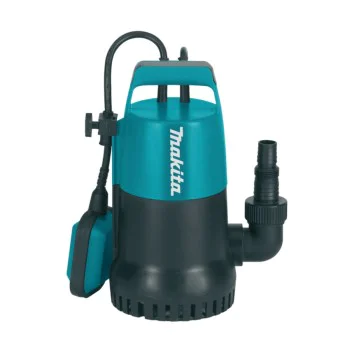
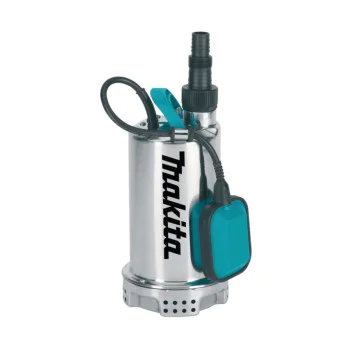
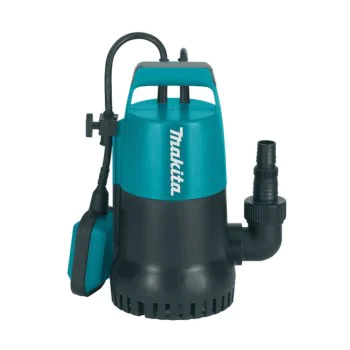
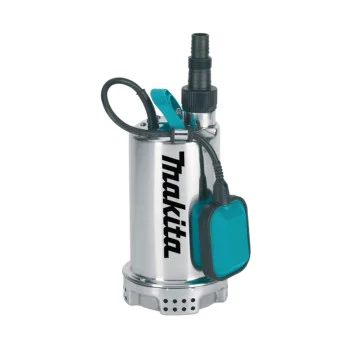
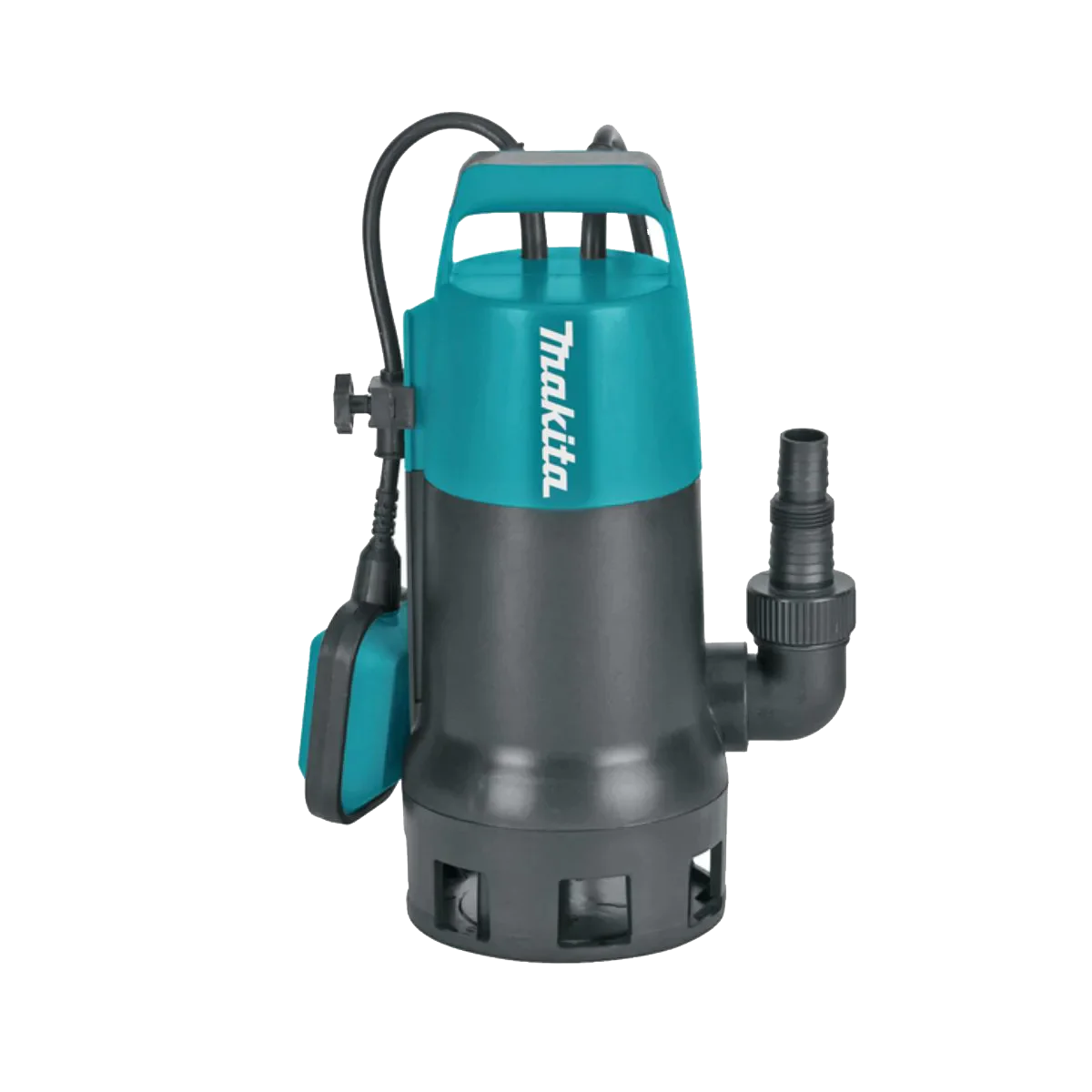
Submersible pumps for clean water
Submersible clean water pumps for wells, tanks, and domestic water supply
Submersible clean water pumps are used to transfer water free of solids from wells, boreholes of sufficient diameter, cisterns, reservoirs, shafts, pools, and other water sources. They operate submerged in water, making them compact, quiet, and convenient for locations where a surface pump would be more difficult to install. At Toolsbox.bg, you'll find models for households, vacation homes, yards, service operations, and construction sites where rapid pumping or delivery of clean water to a hose, water line, irrigation system, or storage container is required.
These types of electric water pumps are designed for liquids with low impurity content. They are not intended for muddy water, wastewater, construction slurry, or liquids containing sand and gravel, unless the specific model specifies a minimum particle size. Proper consideration of the water source, depth, flow rate, and head protects the pump from overload and ensures stable operation during daily or seasonal use.
What tasks are they used for
Submersible clean water pumps are practical for water supply and drainage in areas where the water is relatively clean. They are often used to empty pools, tanks, and collection vessels; to transfer water from a well to a container or cistern; for garden irrigation; and for emergency water removal from rooms, shafts, or basements following a leak. With more powerful models, the pump can supply multiple watering points or deliver water over longer distances.
For home use, compact pumps with easy connection to a standard hose, a comfortable handle, and a float switch are typically preferred. For more intensive work in a yard, workshop, or for facility maintenance, models with higher flow rates, greater head, a sturdy housing, and a longer power cord are preferred. When installing in a deeper well, attention is paid to the permissible immersion depth and the ability to securely suspend the pump using a rope or hook, without placing strain on the power cord or hose.
Main types and differences between models
Models differ in power, flow rate, maximum head, submersion depth, housing material, outlet size, and control. Some pumps are designed to pump a larger volume of water in a short time, while others are better suited for delivering water to a higher point or through a longer hose. For clean water, it is important to consider not only the rated flow rate but also the actual height to which the water must be pumped.
| Specifications | What it indicates | Why it matters |
|---|---|---|
| Flow rate | Amount of water per unit of time | A higher flow rate reduces the time it takes to empty a tank or pool |
| Maximum head | The height to which the pump pushes water | A margin is needed for wells, sloped terrain, and long hoses |
| Submersion depth | The permissible operating depth below the water surface | Protects the motor and seals from overload |
| Float switch | Turns the pump on and off depending on the water level | Prevents dry running when draining tanks and sumps |
| Housing | Plastic, stainless steel, or a combination of materials | Affects weight, durability, and reliability during frequent operation |
How to choose a submersible pump for clean water
Start with the task: draining, transferring, watering, or supplying to a system. For draining a pool or tank, flow rate is the key factor. For a well and watering more distant areas, head is more important. For narrow openings, check the pump's diameter and the clearance for the hose. When using a garden hose, consider the outlet fitting, the size of the connectors, and whether adapters will be needed.
- Power: Higher power supports greater head and flow rate, but it must match the actual task.
- Head: account for the vertical height from the water surface to the discharge point and any pressure loss in the hose.
- Flow rate: For rapid drainage, look for higher capacity; for watering, a steady stream is needed.
- Control: A float switch is useful for fluctuating water levels and reduces the risk of running dry.
- Materials: A stainless steel housing is suitable for frequent use; plastic housings are lightweight and easy to carry.
- Cable and mounting: Cable length and mounting options are important for wells, shafts, and deeper reservoirs.
Compatibility, Installation, and Safe Operation
Before starting, the pump must be submerged according to the manufacturer's instructions, and the hose must be securely attached to the outlet. Lowering the pump using the power cable is not recommended, as this puts strain on the electrical connections and seals. For wells and shafts, use a separate suspension rope. The electrical supply must be protected from moisture, and when operating outdoors, leakage protection via a suitable electrical panel or a residual current device (RCD) is recommended.
Clean water does not mean drinking water. If drinking water is required, separate solutions are needed that comply with hygiene requirements and the materials in contact with the water. For irrigation, technical needs, drainage, and transfer, standard submersible pumps for clean water are a practical choice when the water does not contain abrasive impurities.
Maintenance and extended service life
After working with water from a well or tank, it is helpful to clean the intake strainer of leaves, fibers, and small debris. The pump must not run dry, even for a short time, because the cooling and lubrication of some components depend on the water. For seasonal use, store the unit clean and dry, away from freezing temperatures. Hoses, clamps, connectors, and adapters also affect performance-a kinked or bent hose restricts flow and increases strain.
Browse the submersible clean water pumps at Toolsbox.bg and choose a model based on depth, head, flow rate, and connection type. This will help you set up a reliable water line for irrigation, drainage, water transfer, or maintenance of your property and work area.