
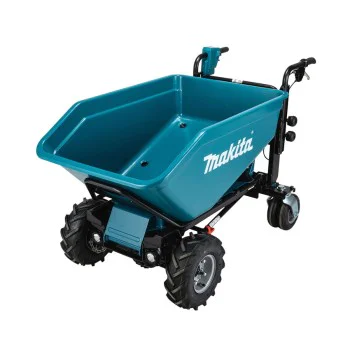
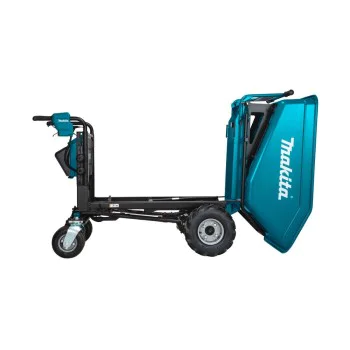
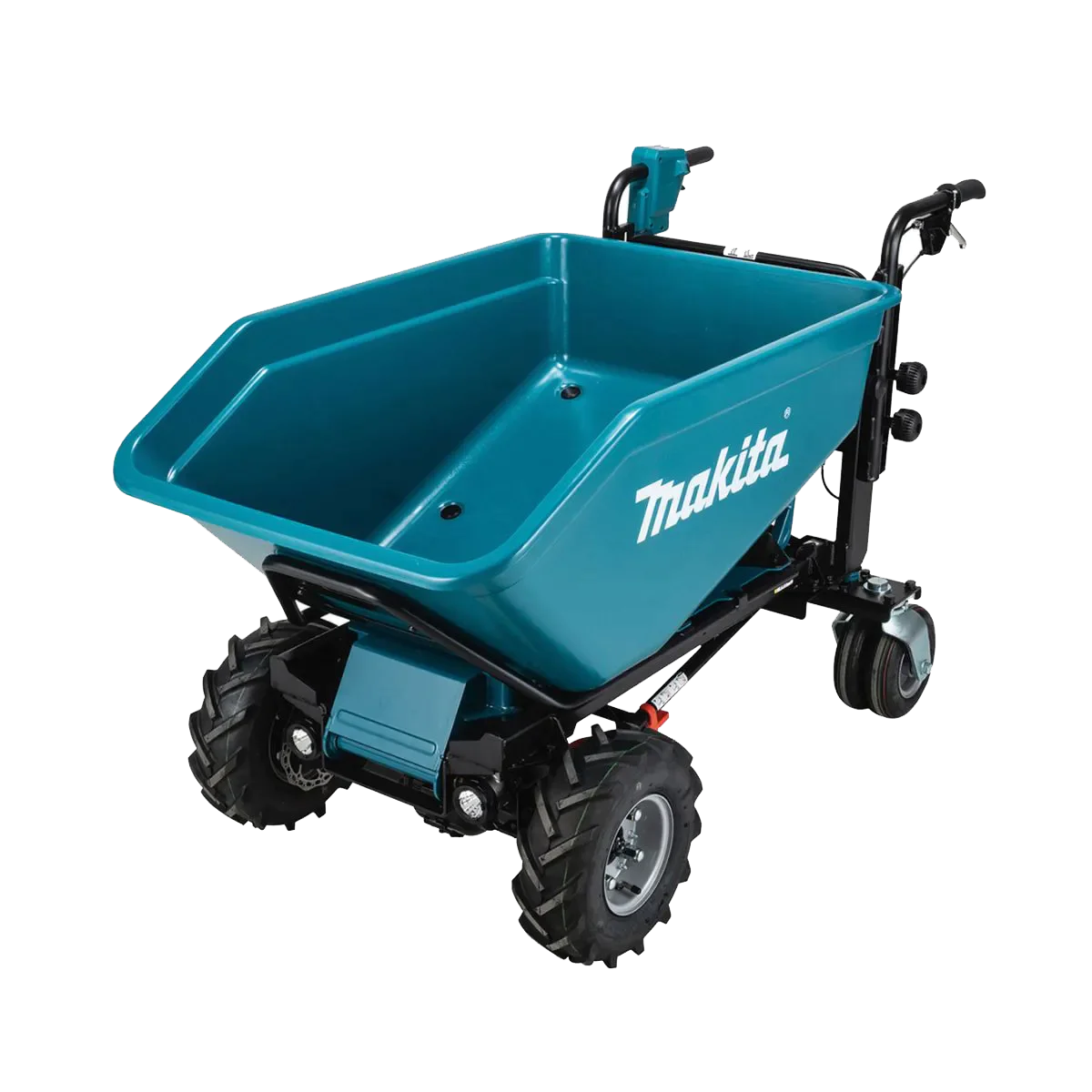
Construction trolley
Construction wheelbarrow for construction, renovation, and yard work
A construction wheelbarrow helps quickly transport heavy, loose, and bulky materials to places where carrying them by hand slows down work and puts unnecessary strain on the operator. It is part of the practical equipment used for construction, renovation, installation work, property maintenance, site cleanup, and gardening. It is used to transport sand, cement, gravel, construction mixes, bricks, tiles, waste, wood, soil, mulch, and other loads of various shapes and weights.
Toolsbox.bg offers models for professional and home use, selected to meet the typical needs of craftsmen, construction crews, installers, landscapers, and homeowners. A wheelbarrow with the right capacity, wheels, and frame saves time when transporting materials, reduces physical effort, and makes it easier to navigate narrow passages, yards, rough surfaces, and job sites.
What do construction wheelbarrow models include?
A construction wheelbarrow typically consists of a load tray, a metal support frame, one or two wheels, support legs, and handles. Differences between models are evident in the trough's capacity, the metal's thickness and coating, the wheel type, the handle shape, and how the load is balanced. These details directly affect comfort, stability, and load capacity during use.
The bed of a construction wheelbarrow is often made of metal, painted or galvanized, with a shape that facilitates unloading of the material. For heavy-duty construction work, models with a sturdier frame and a deeper bed are preferred. For yard maintenance, gardening supplies, and lighter loads, a wheelbarrow with a lower weight and easy maneuverability is ideal.
Main Applications in Construction and Maintenance
A construction wheelbarrow is used for excavation work, masonry, concrete pouring, plastering and rendering, replacing flooring, cleaning up after repairs, and hauling waste within the site. The advantage of this type of construction equipment is its simple operation without power, fuel, or complex adjustments. The load is placed in the tray, balanced against the wheel, and moved with controlled effort.
In the garden, a wheelbarrow helps transport soil, fertilizer, plants, branches, wood, stones, and decorative materials. During home renovations, it makes it easier to remove debris, old plaster, tiles, and other waste. In warehouses, service areas, and workshops, the wheelbarrow is practical for moving supplies, tools, accessories, and packaging.
Selection based on load, terrain, and frequency of use
When selecting a construction cart, consider several parameters simultaneously, not just the external dimensions. A larger tray holds more material, but a full load requires more strength and stable terrain. A smaller cart is more maneuverable, fits more easily through doors and narrow aisles, and is often more convenient for a single operator during shorter trips.
| Criterion | Practical significance |
|---|---|
| Bucket capacity | Determines the amount of bulk material per trip and affects the total weight of the load. |
| Load capacity | It is related to the frame, bed, and axle; adhering to the specified limit protects the cart from deformation. |
| Wheel type | Pneumatic tires soften the ride on uneven terrain, while solid tires reduce the risk of punctures. |
| Number of wheels | Single-wheel models turn more easily, while two-wheel models offer better lateral stability. |
| Material and finish | Painted and galvanized surfaces protect the metal and make cleaning easier after use. |
Single-wheel or two-wheel construction cart
The single-wheel construction cart is preferred for narrow paths, scaffolding, trenches, and sites with limited maneuvering space. It turns sharply and maneuvers easily around obstacles, but requires better balance from the operator. The two-wheeled construction cart is more stable when loaded and moving on level ground. It is suitable for heavier loads, longer straight sections, and work where side tilting is undesirable.
Wheel, Axle, and Handles
The wheel is one of the most heavily loaded components. Pneumatic tires absorb vibrations and roll well on gravel, dirt, and construction sites. Solid tires do not puncture and are practical for sites with sharp debris, nails, or rebar. The axle and bearings affect how easily the cart pushes, and comfortable handles provide a more secure grip when fully loaded.
Materials, Safety, and Maintenance
A good construction wheelbarrow must withstand heavy loads, impacts from rough materials, and contact with moisture, dust, and construction mixtures. The metal tray is easier to clean when concrete, lime, or adhesive residues do not dry on it. After working with wet mixtures, it is helpful to rinse the tray and inspect the frame and axle for any stuck-on material.
For safe operation, distribute the load evenly, without excessive accumulation in the front or rear. When moving on a slope, the wheelbarrow should be pushed at a controlled speed, and when handling heavy materials, work with moderate loads. Gloves with a good grip, work boots, and careful navigation over thresholds, cables, and uneven surfaces reduce the risk of dropping the load.
Construction wheelbarrow for professional teams and demanding DIYers
For daily work on a construction site, look for a construction wheelbarrow with a reinforced frame, a stable axle, and a tray that can withstand abrasive materials. For home use, seasonal maintenance, and gardening tasks, a lighter model that's easy to maneuver and has enough capacity for typical household loads is often a better choice. When regularly handling heavy mixtures, bricks, or stones, higher load capacity and a high-quality wheel are more valuable than maximum volume.
Choose a wheelbarrow based on the material you transport most often, the site terrain, and the space available for maneuvering. Compare the capacity, load capacity, tire type, and frame design to find a convenient helper for construction, repairs, the yard, and the workshop. Browse the options at Toolsbox.bg and select a model that matches the pace and nature of your work.