
Starter device
Jump starter for cars, vans, and service work
A car jump starter provides quick assistance for a weak or dead battery, without the need for a second vehicle or long jumper cables. This type of device is a practical part of the toolkit for drivers, mobile technicians, auto repair shops, roadside assistance, construction crews with light-duty vehicles, and households with more than one car. Compact models are easy to store in a trunk or garage, while more powerful jump starters are convenient for regularly servicing cars, vans, SUVs, motorcycles, boats, and battery-powered machinery.
The available jump starters vary in starting current, internal battery capacity, operating voltage, clamp type, cable length, safety features, and additional functions. When choosing, it is helpful to consider the engine size and type, the condition of the battery, seasonal temperature, and frequency of use. Gasoline engines typically require a lower starting current, while diesel engines, larger SUVs, and light-duty trucks need a more substantial reserve.
What starter units include
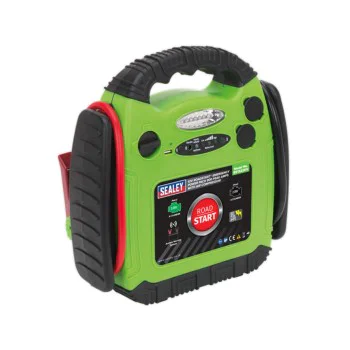
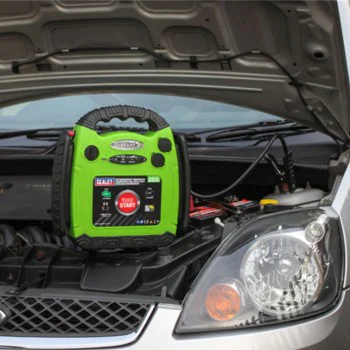
A starter device is an autonomous source of electrical power, equipped with cables and terminals for connecting to the battery. Once properly connected, the device delivers the necessary starting pulse to the vehicle's electrical system and assists the starter motor in turning over. This is particularly useful during cold months, after the vehicle has been idle for a long time, if the lights were left on, or if the battery is nearing the end of its service life.
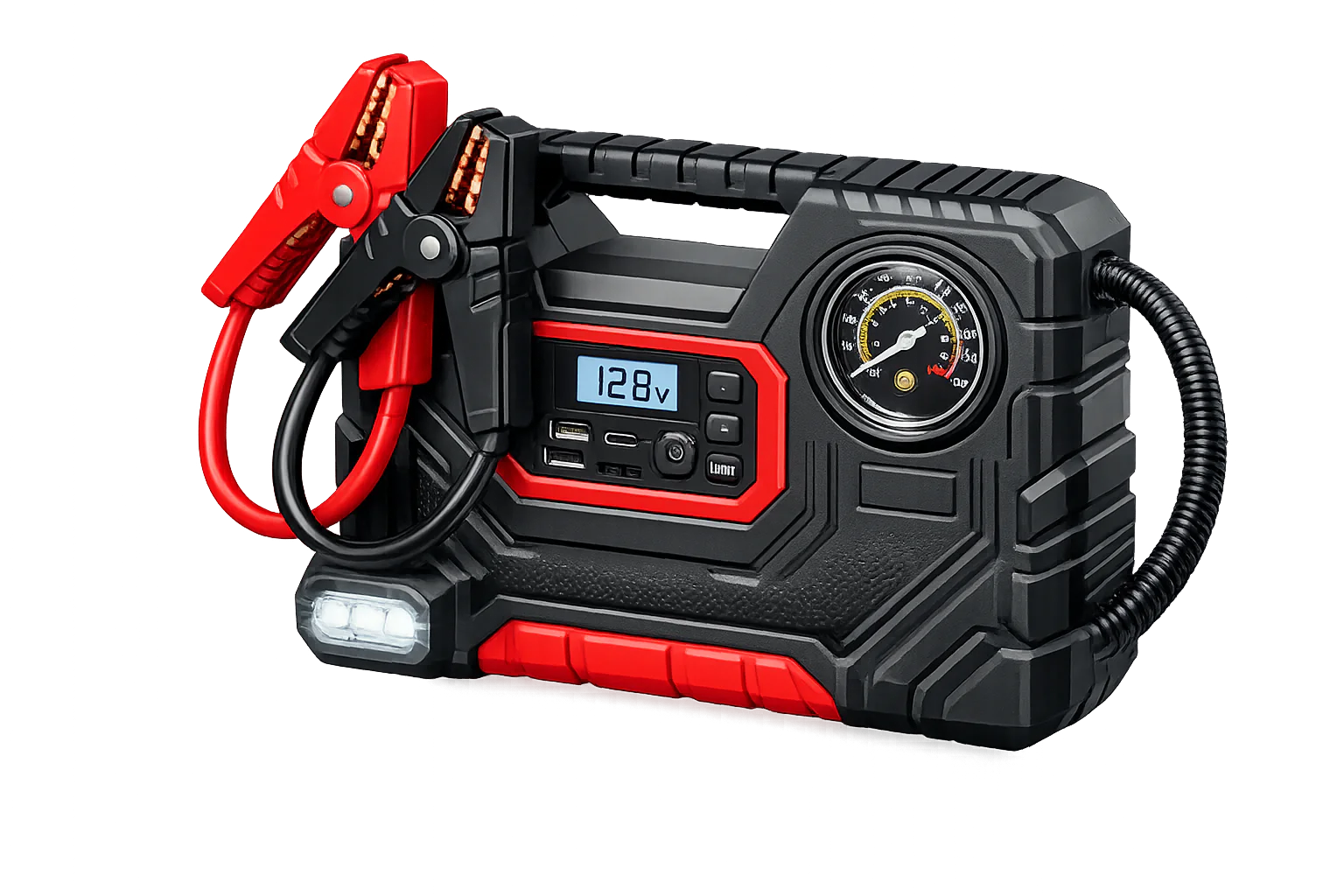
The product range includes compact lithium jump starters, larger portable boosters, and high-capacity service units. Some models feature USB ports for charging phones, a built-in flashlight, a charge indicator, a display, a compass, emergency lighting, or outputs for additional power consumers. Some models include battery maintenance functions, a recovery mode, or the ability to work with different battery types, when specified in the technical data for the specific model.
Types of Jump Starters and Typical Applications
The choice between a small booster and a larger jump-start station depends primarily on the vehicles you will be working with. For a personal car and emergency use in the trunk, a lightweight model with a lithium battery is often preferred. For a service station, car dealership, or company fleet, devices with higher peak current, sturdier clamps, and greater energy capacity are more practical.
| Type of jump starter | Typical use | Practical features |
|---|---|---|
| Compact lithium booster | Light vehicles, motorcycles, emergency use | Small size, lightweight, fits easily in a trunk |
| Portable jump starter | SUVs, vans, frequent use in the garage | Higher capacity, stronger starting current, stable terminals |
| Service jump starter | Auto repair shops, vehicle fleets, roadside assistance | Reinforced cables, designed for multiple starts, operation under load |
| Model with additional features | Travel, camping, emergencies | USB ports, flashlight, indicator, sometimes a compressor or maintenance mode |
Choosing a jump starter based on your vehicle
First, check the operating voltage. Most passenger cars use a 12 V electrical system, while some commercial vehicles and specialized equipment operate on 24 V. Incorrect voltage poses a risk to the electronics and the battery, so compatibility is the first technical parameter to compare with the vehicle's specifications.
The next parameter is the starting current. Manufacturers typically specify peak current and operating starting current. A larger diesel engine requires a higher value, especially at low temperatures and with thickened oil. For regular use with different vehicles, it is wise to choose a model with a margin above the minimum required current, without overestimating based on a single figure. The actual battery capacity, the condition of the terminals, the thickness of the cables, and the protective electronics are also important.
Size and weight affect portability. Smaller units are practical for personal emergency preparedness, but their charge depletes more quickly with frequent use. Larger units take up more space but offer better performance for garages, service shops, and vehicle fleets. For outdoor use in winter, a model with a clear charge indicator and convenient buttons that are easy to operate while wearing gloves is useful.
Safety when working with batteries
Starting a car with an external power source requires a precise connection to the battery terminals. Therefore, protections against reverse polarity, short circuits, overloading, overheating, and sparking are valuable in daily use. The clamps must grip the terminals securely, without any play and without the risk of slipping during the starting pulse. Cables with sufficient cross-section limit overheating and current loss.
Before use, inspect the battery terminals, clamps, and battery case. A severely damaged, swollen, or leaking battery should not be started with a booster. For vehicles with sensitive electronics, it is advisable to follow the instructions in the vehicle manual. After successful ignition, disconnect the device in the order specified by the manufacturer and store it after the cables and clamps have cooled down.
Maintenance and Storage
The internal battery of the jump starter needs to be recharged periodically, even if the device is not used for months at a time. Storing it in a dry place, away from extreme heat, moisture, and direct sunlight, extends the life of the battery and electronics. After each use, it is advisable to check the charge level and coil the cables without kinking them. Clean terminals and intact insulation reduce the risk of contact loss.
During service work, starter devices are subjected to greater stress, so attention should be paid to the durability of the housing, the comfort of the handle, a clear display, and the ability to quickly check the remaining charge. For home use, the priorities are compact size, easy charging, and clear indicators. In both cases, the right tool saves time, stress, and money when a battery unexpectedly dies.
Jump starters from Toolsbox.bg
Toolsbox.bg offers a selection of jump starters for emergency starts, garage maintenance, and professional auto service work. Compare the specifications of the individual models-voltage, starting current, capacity, cable type, protections, and additional features-and choose a device suited to your vehicle, frequency of use, and storage conditions. This way, you get a practical automotive tool that is always on hand in case of a battery problem and contributes to safer travel in every season.