



Carpentry machines
Woodworking machines for precise and clean woodworking
Woodworking machines are essential equipment for cutting, planing, routing, drilling, sanding, and shaping wooden parts. They are used in professional workshops, furniture factories, construction sites, installation teams, and well-equipped home workshops. They are used to process solid wood, panels, beams, battens, wainscoting, parquet elements, doors, frames, and various components for repair, construction, and furniture manufacturing.
The range of these machines includes bench-top, stationary, and portable solutions depending on the type of work and available space. When selecting a machine, consider power, speed, cutting depth and width, adjustment precision, body stability, compatibility with consumables, and the ability to connect to a dust collection system. This ensures the machine is suited to the actual tasks-from rough cutting of material to fine finishing of visible surfaces.
What Woodworking Machinery Includes
Woodworking equipment encompasses various machines, each with a specific role in the preparation and finishing of the workpiece. Some models are designed for rapid material removal, while others operate with higher precision during final operations. In practice, several machines are often combined to achieve precise dimensions, correct angles, smooth surfaces, and stable joints.
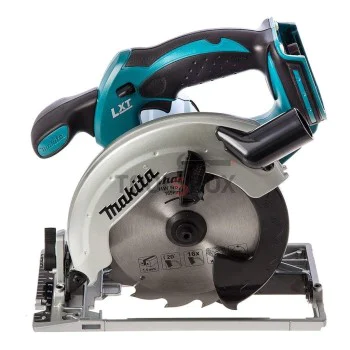
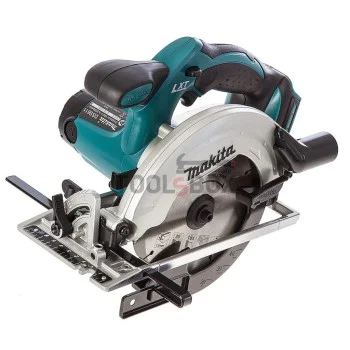
- Circular saws and table saws-for longitudinal and cross-cutting of boards, beams, and panels.
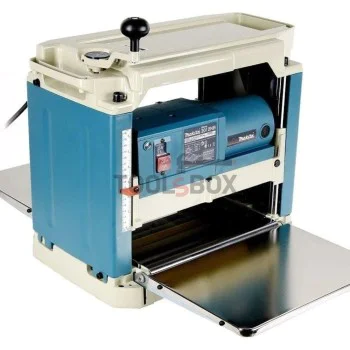
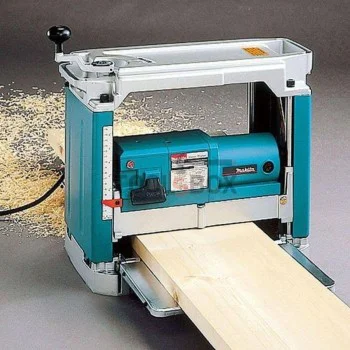
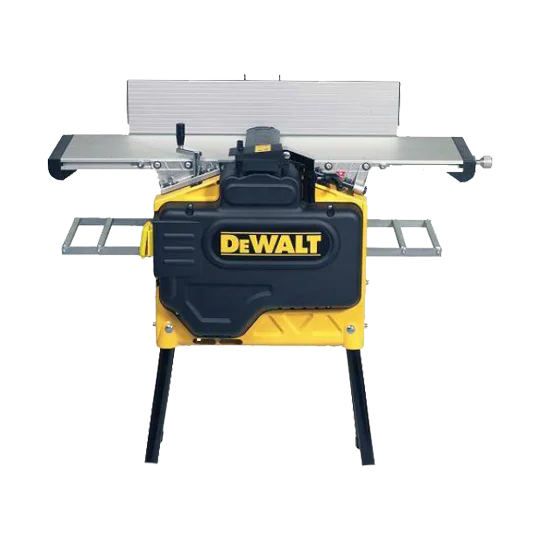
- Planers and jointer-planers-for straightening, calibrating, and planing wood.
- Routers and router tables-for grooves, profiles, chamfers, decorative edges, and joints.
- Bandsaws-for curved cutting, cutting thicker workpieces, and working with non-standard shapes.
- Wood sanders - for smoothing, pre-finishing, stripping old coatings, and fine finishing.
- Drilling and combination machines-for holes, joints, assembly operations, and production work.
Applications in workshops, construction, and renovation
In furniture manufacturing, woodworking machines help ensure precise dimensions, straight edges, and repeatability of parts. In construction, they are used for beams, formwork elements, paneling, cladding, and wooden structures. For renovation tasks, they facilitate the fitting of baseboards, doors, steps, countertops, and decorative elements. For home use, they are valuable for making shelves, tables, frames, boxes, garden furniture, and small wooden structures.
When working with chipboard, MDF, or plywood, a clean cut and the right blade are key. With solid wood, power, a stable feed, and the ability to precisely adjust the depth are more important. For fine woodworking, precise guides, sturdy work surfaces, adjustable stops, and good vibration control are key.
How to choose a machine for the task
The right choice starts with the material, frequency of use, and required precision. For occasional repair work, a compact, easy-to-adjust machine is often sufficient. For a workshop with regular workload, more powerful models with a solid construction, a larger work surface, and the ability to guide the workpiece precisely perform better.
Power, RPM, and Capacity
Power affects the machine's performance when working with hardwood, thick material, or during prolonged cutting. RPM and the type of cutting tool determine the cleanliness of the cut, the working speed, and the degree of heat generation. For planers and jointer-planers, consider the planing width, maximum workpiece thickness, feed rate, and fine-tuning capabilities. For circular saws, the blade diameter, cutting depth, tilt of the cutting unit, and stability of the rip fence are important.
Portable and stationary solutions
Portable woodworking machines are convenient for on-site installation, work at a job site, and in confined spaces. They are easy to transport and allow for processing close to the installation area. Stationary machines offer greater stability, better support for the workpiece, and better control during batch processing. Bench-top models occupy a middle ground-compact enough for a small workshop, yet with a more stable work surface than handheld power tools.
Compatibility, Consumables, and Accessories
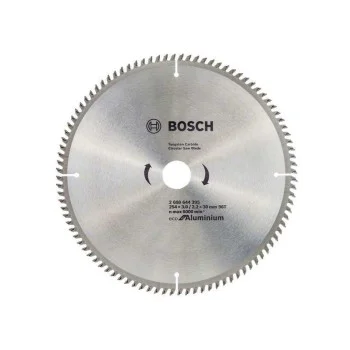
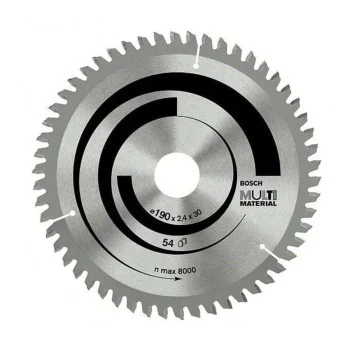
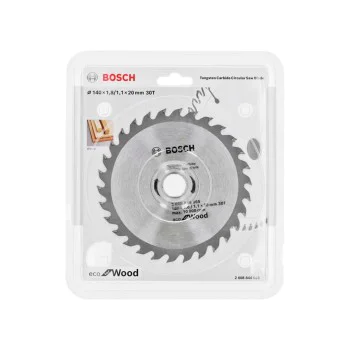
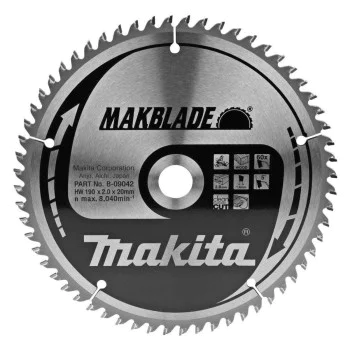
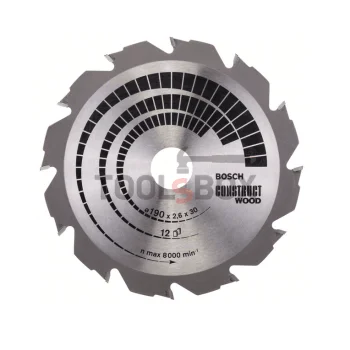
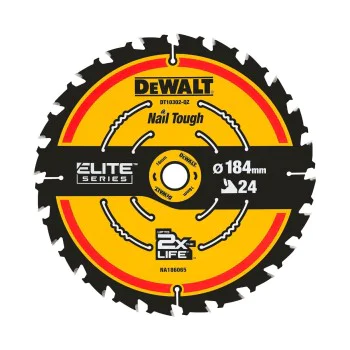
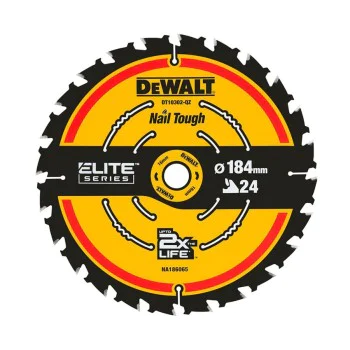
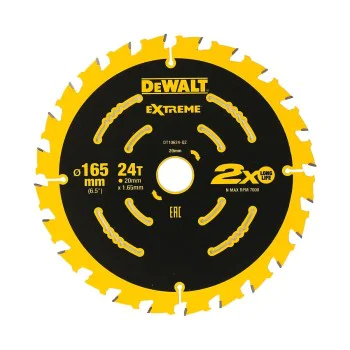
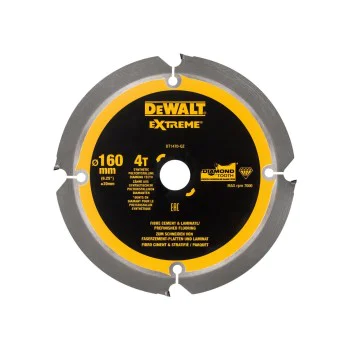
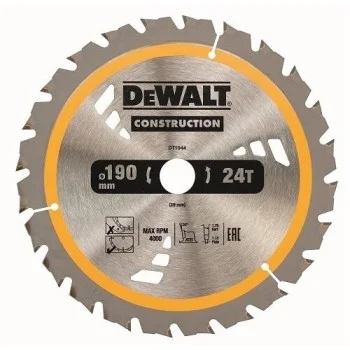
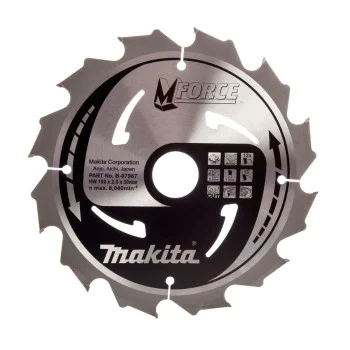
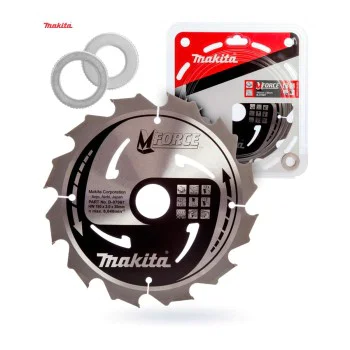
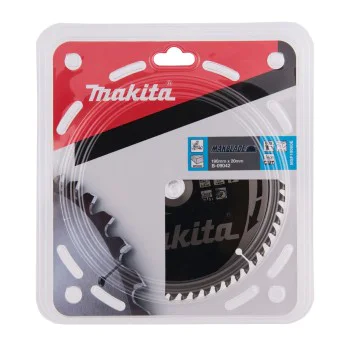
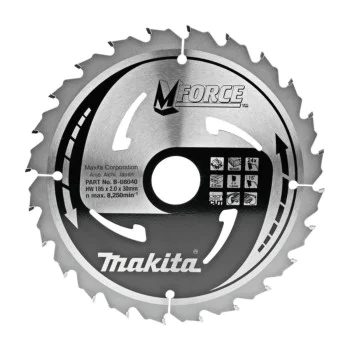
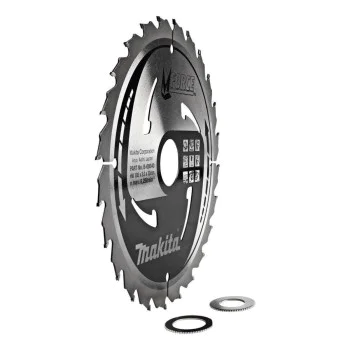
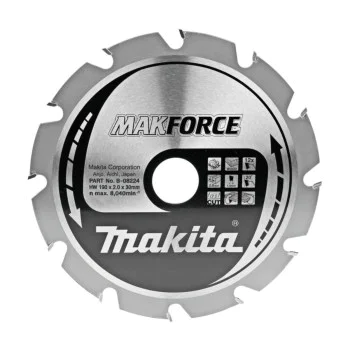
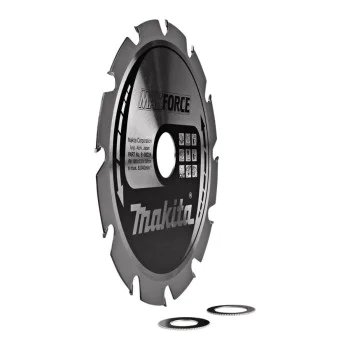
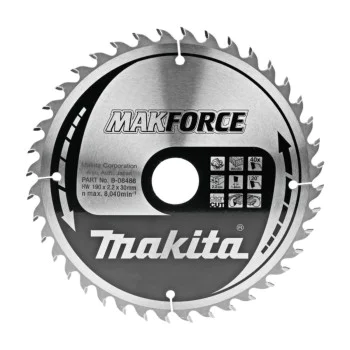
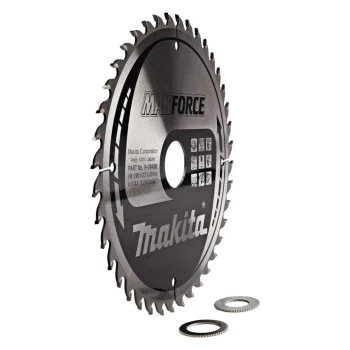
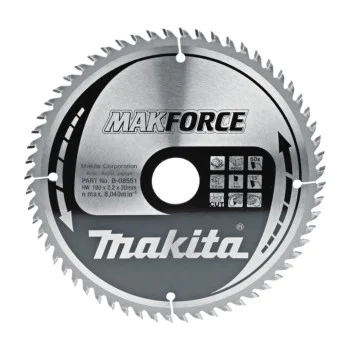
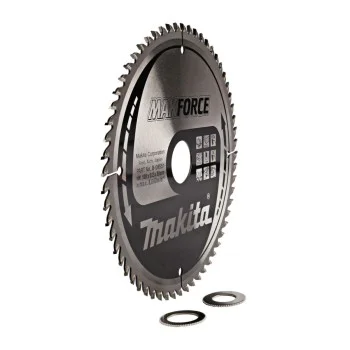
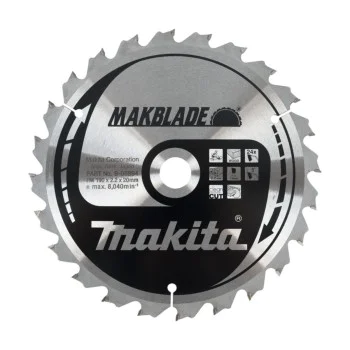
Working with wood requires the right consumables. Circular saw blades vary in diameter, number of teeth, bore, tooth shape, and whether they are designed for rip or cross cuts. Planer blades must be compatible with the specific machine and be well-sharpened. Routers are selected based on profile, shank diameter, and desired shape. Sanding sheets and belts are chosen by size, grit, and backing material.
Useful accessories include rip guides, miter stops, table extensions, clamps, dust collector adapters, spare blades, cutting discs, router bits, and sanding consumables. Compatibility between the machine and the accessories saves time, protects the workpiece from damage, and facilitates more precise processing.
Safety and Maintenance in Woodworking
Woodworking machines operate with sharp cutting elements and high speeds, so guards, a stable support, and proper setup are crucial for safe operation. The workpiece must be securely supported and guided without sudden movements. When cutting and milling, use guards, push sticks, safety glasses, ear protection, and a dust mask. Good visibility of the work area and a clean workspace reduce processing errors.
Regular cleaning of chips and dust maintains cooling, guide movement, and the accuracy of settings. Check the tightness of fasteners, the condition of the cable, and the wear on belts, blades, and discs. Dull cutting tools strain the motor, leave marks on the material, and increase the risk of kickback. On models with a dust collector outlet, connecting to a dust extraction system improves workshop cleanliness and visibility during operation.
Woodworking machines for professional and home projects
When selecting woodworking machines, it is worth balancing the actual workload, the size of the workpieces, and the expected precision. For rough machining, power and capacity are key, while for finishing operations, stability, smooth adjustment, and the right consumables are essential. At Toolsbox.bg, you can browse woodworking machines, power tools, accessories, and supplies for workshops, installation, construction, and repair, and select equipment tailored to your specific project.