
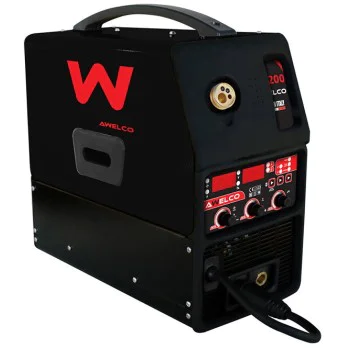
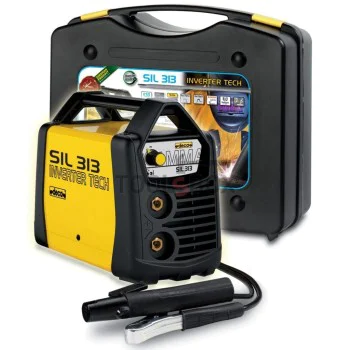
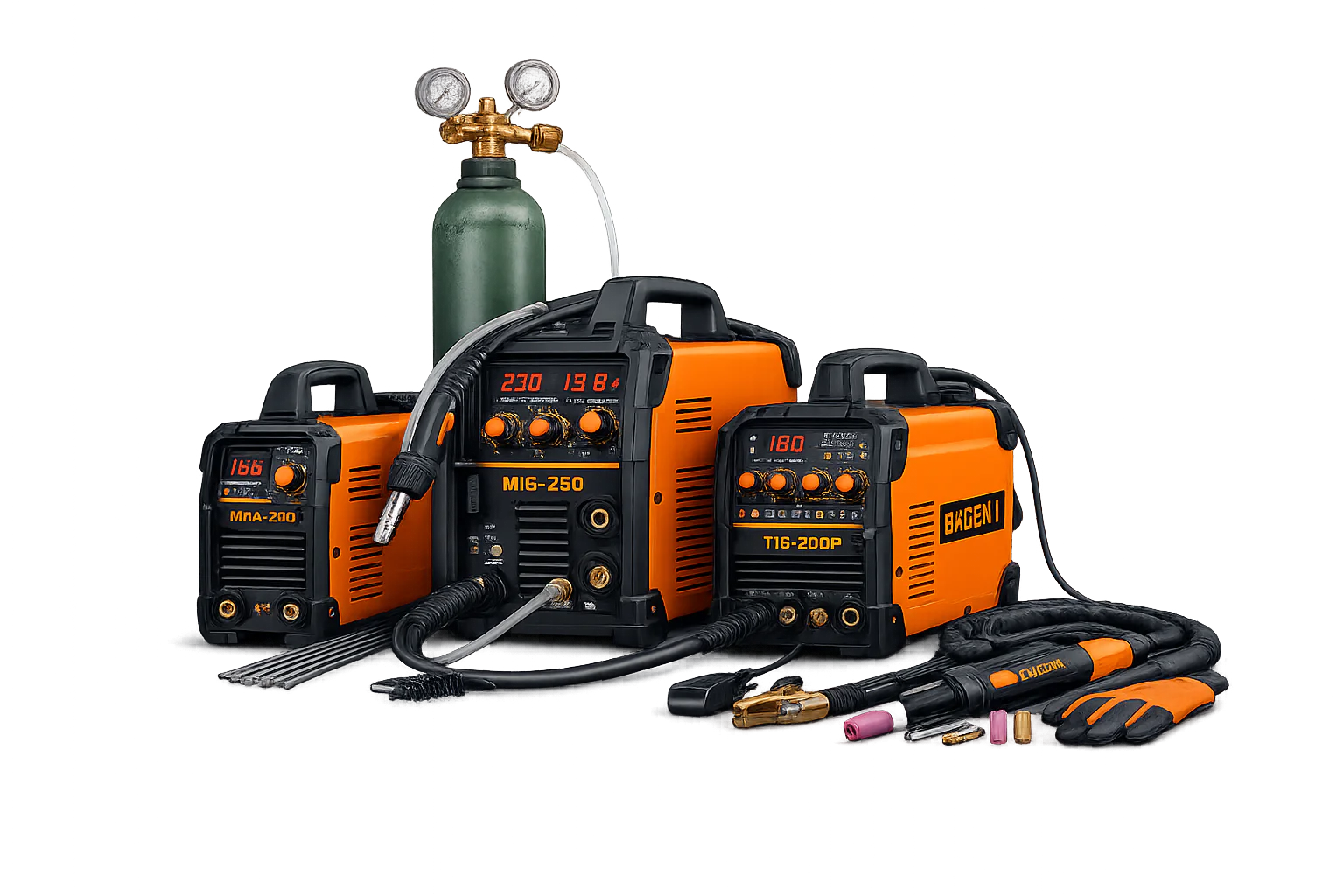
Welding apparatus
Welding machines for repairs, installation, and workshop use
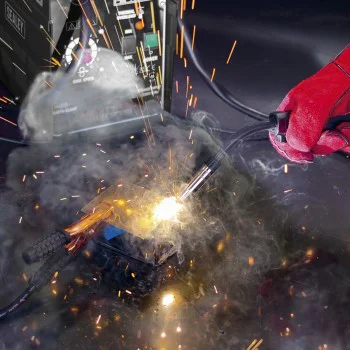
Welding machines are essential for joining, repairing, and fabricating metal parts in service shops, manufacturing facilities, construction sites, garages, or home workshops. This category includes machines for arc welding, inverter welders, MIG/MAG machines, TIG machines, and combination welding machines designed for working with steel, stainless steel, profiles, sheet metal, pipes, frames, structures, and repair assemblies. A properly selected machine facilitates arc ignition, maintains a stable current, and helps produce a clean, strong, and repeatable weld.
The choice of welding equipment is directly related to the material, the thickness of the workpiece, the work location, and the expected load. For mobile installation, a lightweight, compact inverter machine is often preferred, while for serial production in a workshop, equipment with a higher operating current, stable cooling, and a longer duty cycle is more suitable. When working with thin sheet metal, stainless steel parts, or visible welds, the choice of process is particularly important for the final result.
Types of Welding Machines and Applications
Different welding processes behave differently during operation, require different consumables, and offer varying degrees of control over the weld. Therefore, before purchasing, it is advisable to assess what type of welding will be performed most frequently and what metal thickness will be worked with.
- MMA inverter welders-use coated electrodes and are preferred for repairs, installation, outdoor work, metal structures, fences, frames, and pipes. They are compact, easy to transport, and do not require shielding gas.
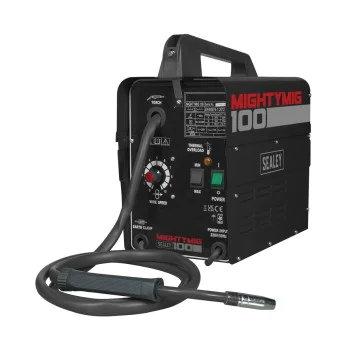
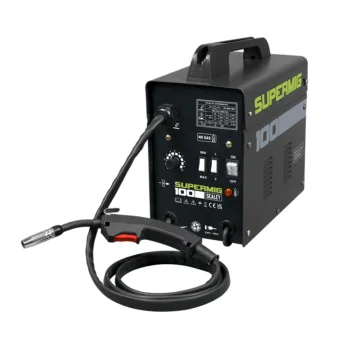
- MIG/MAG welding machines-use welding wire and shielding gas, and with compatible models, flux-cored wire as well. This method is practical for longer welds, automotive repairs, sheet metal, profiles, and manufacturing work.
- TIG welding machines-use a tungsten electrode and argon shielding gas. They provide precise control over the arc and are preferred for stainless steel, fine details, visible joints, and areas where a clean weld is a priority.
- Combination welding machines-combine more than one process, such as MMA and TIG or MIG/MAG, MMA and TIG. They are practical for workshops that perform various tasks with a single machine.
Criteria for choosing a welding machine
When comparing welding machines, pay attention to the working current, power supply, electrode or wire diameter, duty cycle, cooling, and control method. The amperage must match the metal thickness and the type of consumable. Thinner parts require smooth control at low current, while thicker profiles and structures require higher current and stability during prolonged operation.
The power supply is a key factor when choosing between 230 V and 400 V models. Single-phase units are suitable for garages, repair shops, and installation work, while three-phase machines are preferred for heavier loads and more intensive work. For mobile use, weight, dimensions, cable length, and the housing's durability during transport are important factors.
The duty cycle indicates how long the machine can operate at a set current before requiring cooling. A higher duty cycle is valuable for long welds, serial operations, and demanding work environments. For short repair jobs, a more compact machine may suffice, provided its specifications support the required electrode, wire, or TIG mode.
Compatibility with Consumables and Accessories
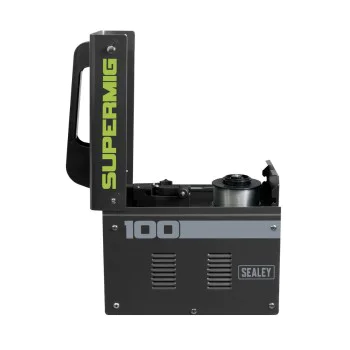
A welding machine only performs optimally with the correct consumables. For MMA machines, the diameter and type of electrode-rutile, basic, stainless steel, or specialty-are important. For MIG/MAG welding, the wire diameter, feed rollers, hose, torch, contact tips, shielding gas, and pressure regulator are key. For TIG welding, you'll need to select tungsten electrodes, ceramic nozzles, gas lenses, a hose, and a foot pedal or remote control for compatible models.
Before purchasing, compare the available packages-some machines come with a ground cable, electrode holder, or torch, while others require separate accessories. For safe operation, you'll need a welding helmet, gloves, work clothes, eye protection, and good ventilation in the workspace. When working with gas cylinders, use pressure-reducing valves, hoses, and connectors compatible with the specific process.
Practicality, Safety, and Maintenance
Modern inverter welders often feature functions for a more stable arc, easier ignition, and reduced electrode sticking during MMA welding. Some models offer settings for inductance, wire feed adjustment, pulse mode, or TIG ignition via Lift or HF. These features aid in control, but the choice should be based on the actual tasks to be performed.
Safety begins with properly selected cables, stable clamps, clean contact surfaces, and protection against overheating. The work area must be dry, well-ventilated, and free of flammable materials. During maintenance, monitor the condition of the cables, connectors, fans, torch, and wear parts. Dust and metal particles should be removed regularly, and consumables should be stored in a dry place to maintain arc stability and weld quality.
Welding Machines at Toolsbox.bg
Toolsbox.bg offers a selection of welding machines for various tasks-from small repairs and home use to professional work in repair shops, construction, and metal workshops. Compare the welding type, operating current, power supply, compatible consumables, and included accessories to select a machine suited for the specific metal, workload, and working method. This ensures you get equipment that fits your daily tasks and enables confident work during installation, repair, and fabrication of metal components.