
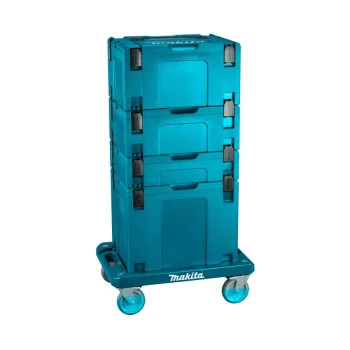
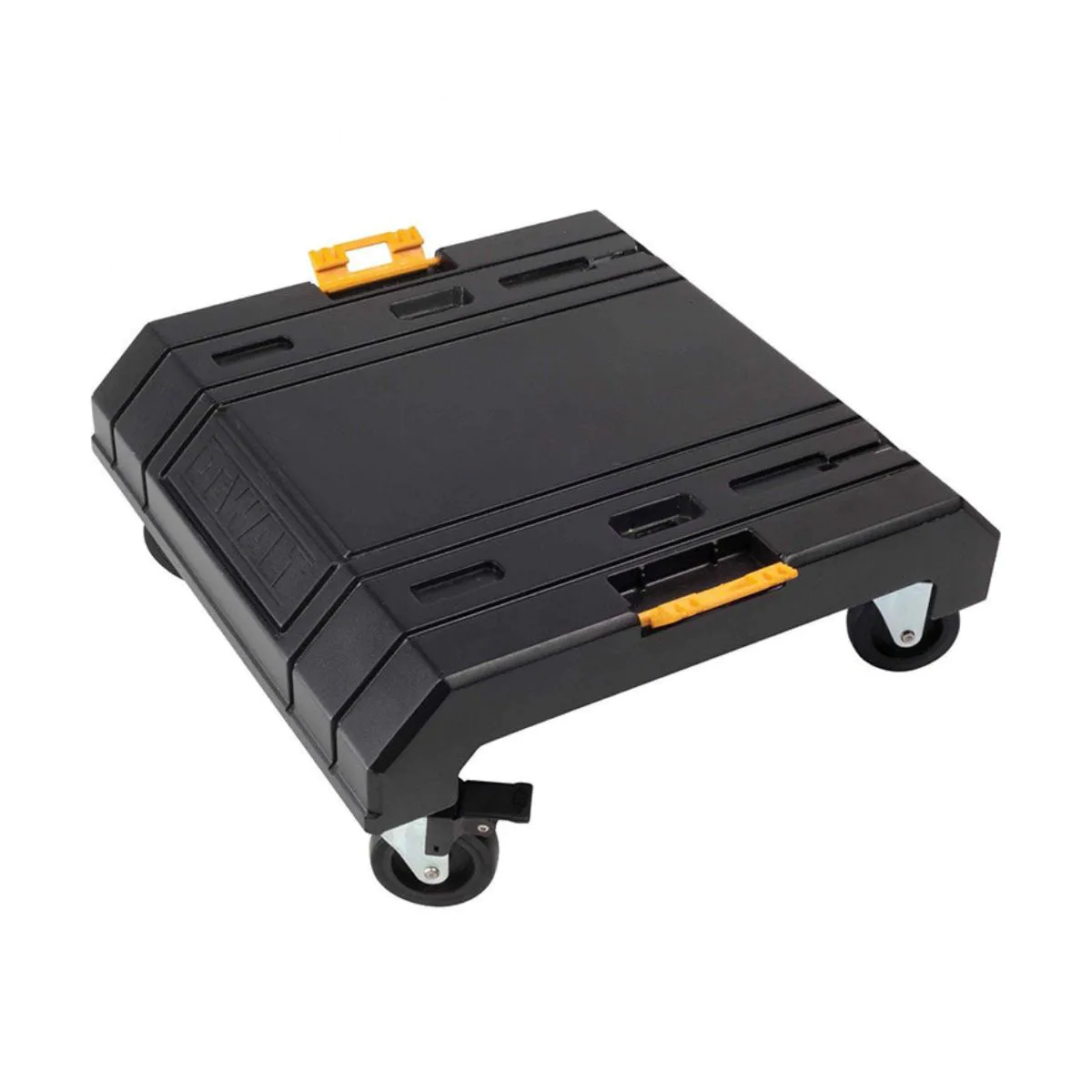
Trolley for suitcases
Luggage trolley - convenient transport for suitcases, trunks, and organizers
A luggage trolley is a practical piece of equipment for carrying heavy or bulky loads without putting unnecessary strain on your arms and back. It is useful in workshops, service centers, warehouses, construction sites, offices, cars, and homes when moving tool cases, machine chests, organizers with fasteners, measuring equipment, or compact boxes with supplies. With a well-chosen model, transport becomes more controlled, and the risk of dropping the case, hitting the body, or spilling the contents is reduced.
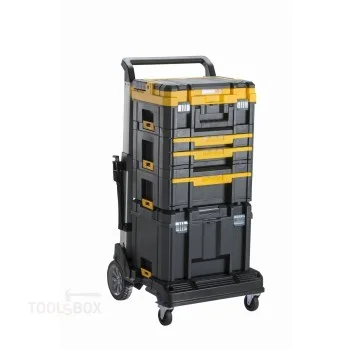
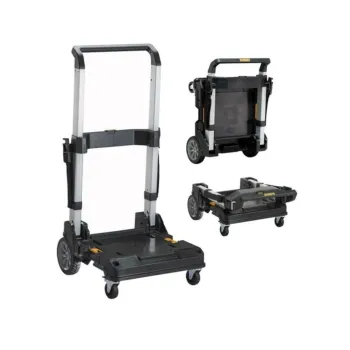
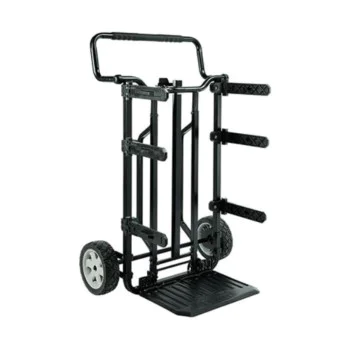
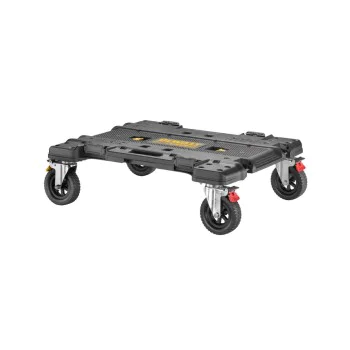
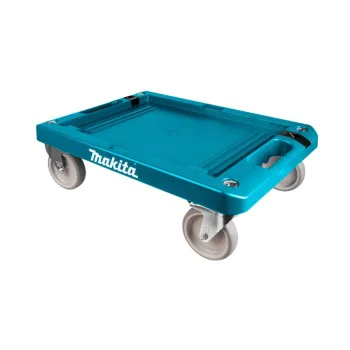
This section features models for manually transporting cases and boxes of various sizes, weights, and shapes. Some are lightweight, foldable options for daily transport in a car or service van, while others have a sturdier frame for heavier loads and more frequent use. A suitcase trolley with a telescopic handle saves storage space, while a model with a wider platform provides greater stability for cases with a larger base.
Luggage trolley for working with tools and equipment
A luggage trolley is useful for transporting power tools, hand tools, tool sets, modular organizers, and small machines in transport cases. It is valued by installers, technicians, repair professionals, warehouse staff, and discerning home users who want their tools to be transported in an organized and safe manner.
In service operations, the cart helps transport a case containing a drill, screwdriver, multi-tool, bit set, fasteners, and small accessories from the vehicle to the worksite. In a workshop, it facilitates movement between shelves, workbenches, and repair areas. In construction and installation, it provides better control when navigating hallways, elevators, ramps, and uneven surfaces where carrying several boxes by hand is inconvenient.
Differences Between Models
Different carts differ in design, load capacity, wheel type, base size, and folding mechanism. Lightweight aluminum frames are convenient for frequent transport and loading into a vehicle. Steel models are typically preferred for heavier loads and harsher working environments. Plastic components reduce weight, but under heavy loads, it is advisable to assess the strength of the support points and the locking mechanism.
The wheels have a direct impact on mobility. Smaller wheels are suitable for smooth floors in an office, service center, or warehouse. A larger diameter handles thresholds, joints, rough concrete, and outdoor surfaces better. Rubber wheels protect the floor and reduce noise, while harder materials are practical for heavier boxes and more frequent use.
Criteria for Selecting a Luggage Cart
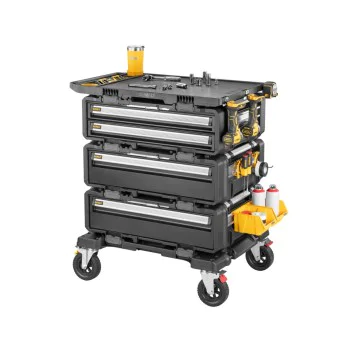
The criteria depend on the load, the work location, and the method of transport. For cases containing power tools and supplies, a stable base, a comfortable handle, and good support are necessary. For modular organizers, it is helpful for the platform to match the width of the boxes, and for tall cases, a strap or retainer helps secure the contents while in motion.
- Load capacity: depends on the actual weight of the case, the tools, and any additional accessories.
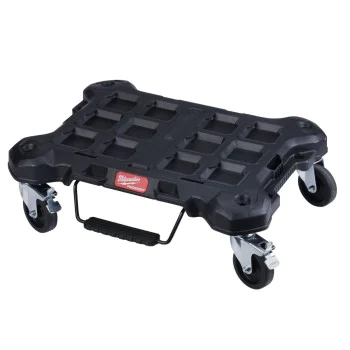
- Platform size: a wider base provides stability for large cases, while a compact one is more convenient in tight spaces.
- Wheels: The diameter and material affect how well the cart navigates thresholds, gaps, uneven floors, and outdoor surfaces.
- Handle: A telescoping or folding handle makes storage and transport in a car easier.
- Load securing: a strap, hook, or support frame keeps the case more stable during turns and on slopes.
- Folding: The foldable design is convenient for service teams and for storage in small spaces.
A brief guide based on the task
| Work situation | Practical choice |
|---|---|
| Daily transport of a tool case | Folding cart with telescopic handle and compact platform |
| Transporting a heavy toolbox | Model with higher load capacity, stable frame, and larger wheels |
| Work in a service center, office, or warehouse | Quieter-rolling wheels and a base that doesn't scratch the floor |
| Navigating thresholds and uneven surfaces | Larger wheel diameter and good load support |
Safety, compatibility, and maintenance
A luggage cart works best when the load is positioned low and close to the frame. It is not advisable for the suitcase to protrude excessively beyond the platform, as this impairs handling when turning and on inclines. When transporting cases containing fragile equipment, measuring instruments, or consumables, it is advisable to ensure the contents are securely closed and to fasten the suitcase itself to the frame.
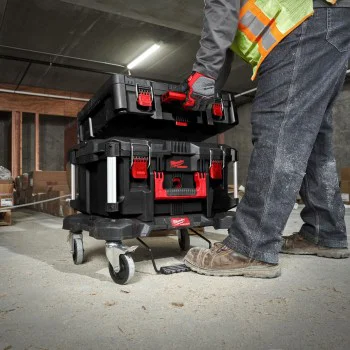
Compatibility with cases and organizers depends on the shape of the base, the height of the load, and the method of attachment. For modular systems with multiple boxes stacked on top of each other, a higher support or securing with a strap is required. For cases with a smooth bottom, a stable platform is essential, while for cases with raised feet, they should rest evenly on the base.
Maintenance is not complicated, but it extends the life of the cart. The wheels should be cleaned of dust, sand, shavings, and construction debris, as buildup hinders rotation. Folding mechanisms should be protected from heavy impacts, and screw connections should be inspected periodically. After use on wet or dirty surfaces, metal parts should be dried to prevent corrosion.
A suitcase cart for organized and easier work
A luggage trolley saves effort, protects your luggage, and makes moving tools more organized. It is a small but practical piece of equipment for any service vehicle, workshop, or home repair area. When choosing, consider the actual load, the size of the cases, the type of flooring, and the storage space.
Choose a toolbox cart from Toolsbox.bg based on your daily tasks, the required load capacity, and how you transport tools, organizers, and service accessories.