
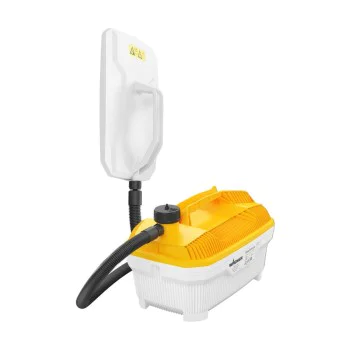
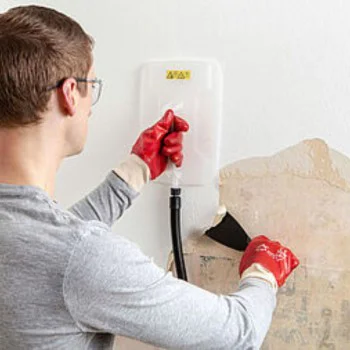
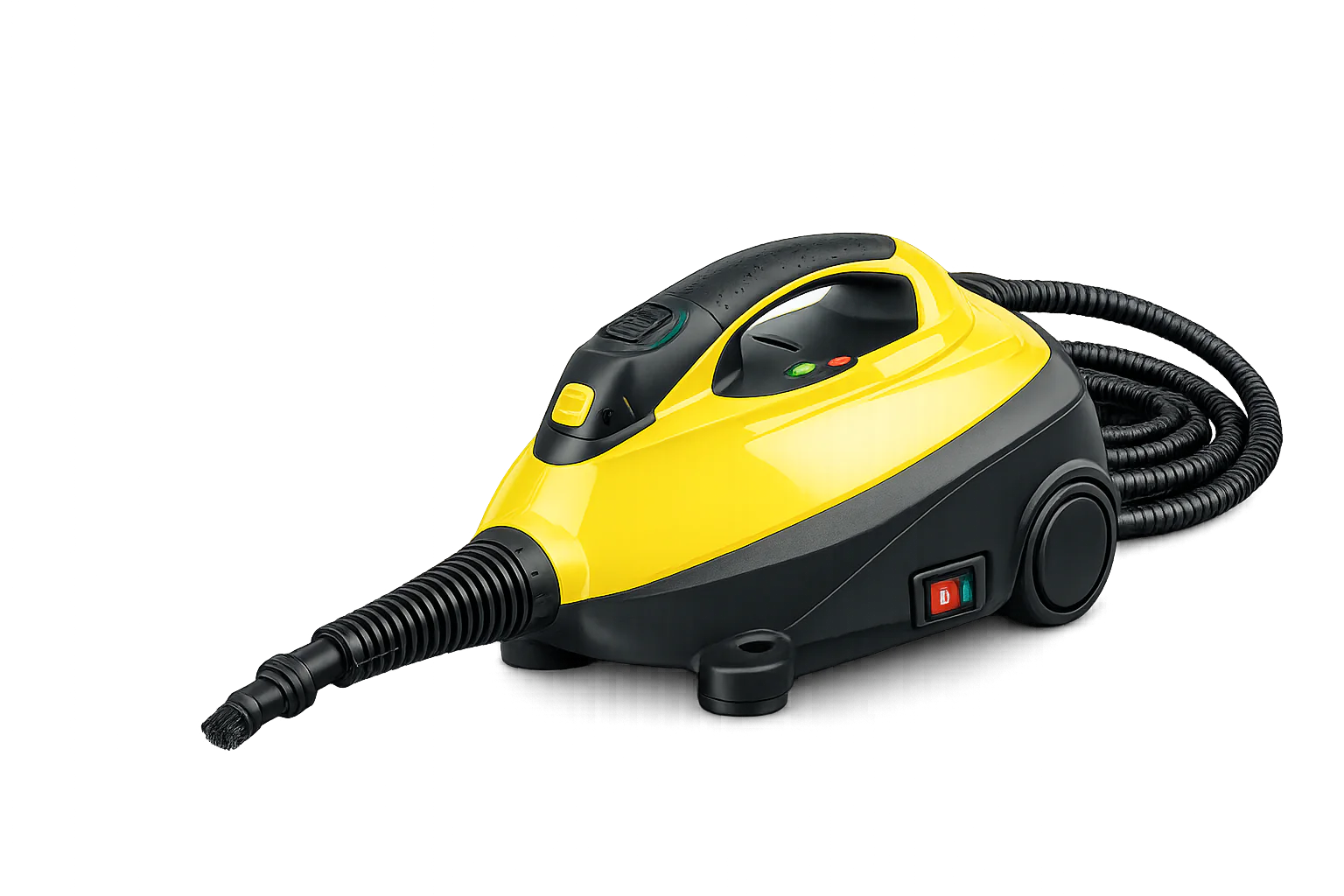
Steam cleaners
Steam cleaners for hygienic cleaning of hard surfaces, grout, and textiles
Steam cleaners are used for hot steam cleaning, which softens and removes dirt without the need for harsh chemicals. They are a practical solution for floors, tiles, bathrooms, kitchens, windows, grout, car interiors, upholstery, and hard-to-reach areas around faucets, appliances, and furniture. Within the cleaning equipment category, these devices fall between standard wet cleaning and more intensive sanitizing, as they operate using temperature, pressure, and a directed steam jet.
A well-chosen machine saves time when maintaining homes, offices, workshops, service areas, stores, and facilities with a daily flow of people. Steam cleaners are valued for cleaning grease stains, limescale deposits, dirty grout, marks on glass, and buildup in corners where hand tools cannot easily reach. Some models are compact for home use, while others feature a larger tank, higher pressure, and a set of nozzles for extended use.
Where Steam Cleaners Are Used
Steam cleaners are ideal for daily hygiene and periodic deep cleaning. On floor coverings, steam helps remove dried-on stains and fine dirt, while on tiles and grout, the directed steam jet reaches into narrow channels. In the kitchen, the appliance helps remove grease around countertops, range hoods, ovens, stovetops, and sinks. In the bathroom, steam is useful for bathroom fixtures, shower stalls, faucets, and areas with limescale buildup.
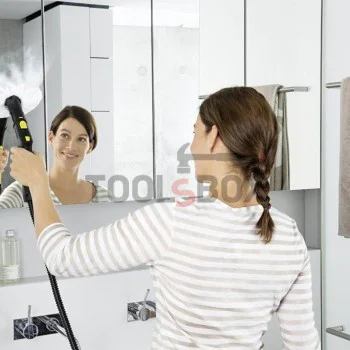
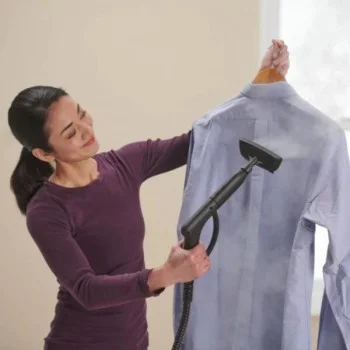
For textile surfaces and car interiors, look for models with suitable upholstery attachments, brushes, and nozzles that operate more gently. For windows and mirrors, glass attachments and the ability to deliver steam evenly are important. In a service center, workshop, or maintenance room, these devices help clean plastic parts, tools, countertops, and surfaces that can be treated with moisture and heat.
Key differences between models
Different steam cleaners vary in pressure, power, tank capacity, heat-up time, runtime, and accessories. Compact handheld models are lightweight and maneuverable, while models with wheels or a larger body are designed for larger areas and longer tasks. On some machines, the steam output is adjustable, which makes it easier to work on different materials.
| Type of appliance | Application | What to Consider |
|---|---|---|
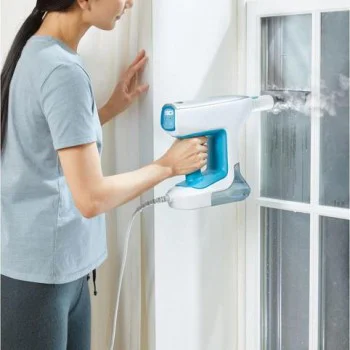
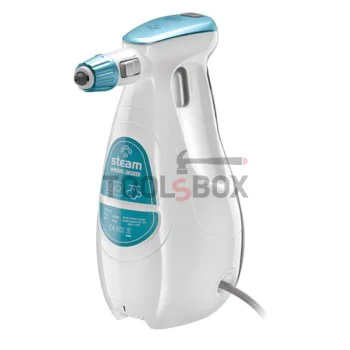
| Handheld steam cleaners | Grout lines, faucets, small surfaces, hard-to-reach areas | Weight, nozzle shape, tank capacity |
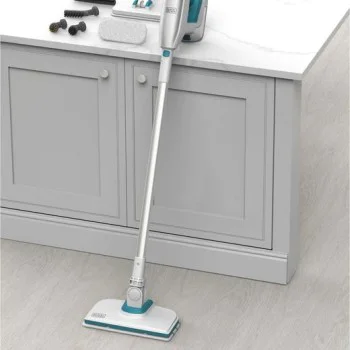
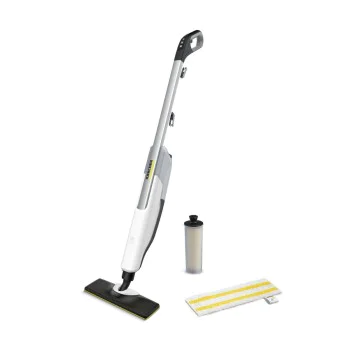
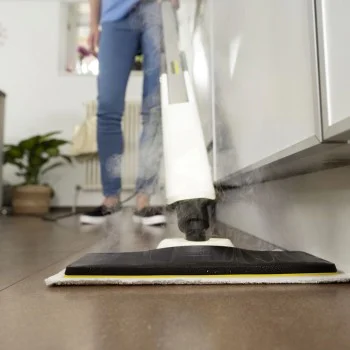
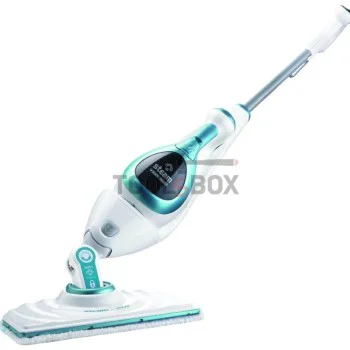
| Steam mops | Floors, tiles, laminate and durable flooring | Type of mop pads, working head width, steam control |
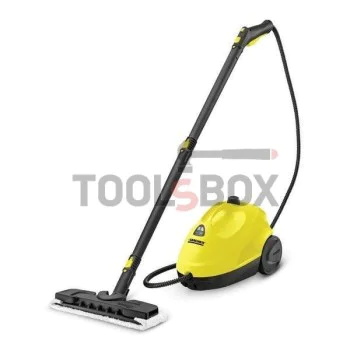
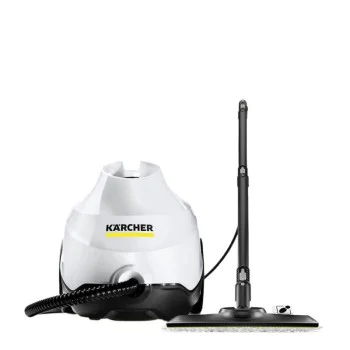
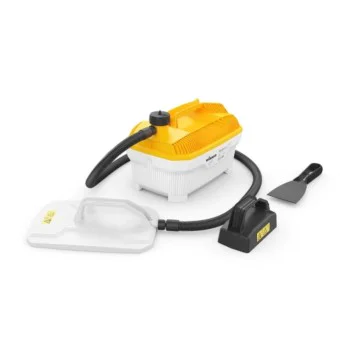
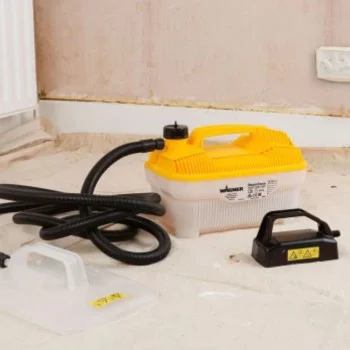
| Steam cleaners with a body and hose | Larger areas, restrooms, kitchens, cars | Pressure, power, hose length, accessory kit |
How to choose the right appliance
When choosing a steam cleaner, first consider the area and type of dirt. For small homes and quick tasks, a compact model with basic attachments is sufficient. For larger spaces, facilities requiring regular maintenance, or work in a service environment, a device with a larger tank, a steady steam supply, and a longer hose is more practical. Pressure affects the strength of the steam jet, while power relates to heating efficiency and consistent performance during operation.
The material of the surfaces also matters. Ceramic, stone, metal, and glass generally withstand steam treatment, provided the manufacturer of the respective surface imposes no restrictions. For wood, sensitive varnishes, natural stone with a porous structure, delicate textiles, and laminate flooring, it is advisable to test a small area first. Good compatibility between the appliance, the attachment, and the surface reduces the risk of marks, bubbling, or changes to the finish.
Attachments, Consumables, and Accessories
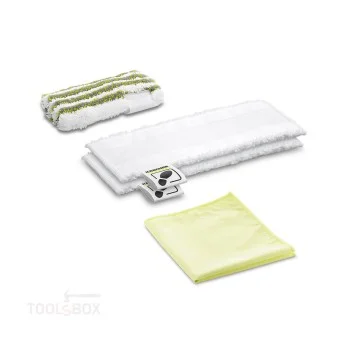
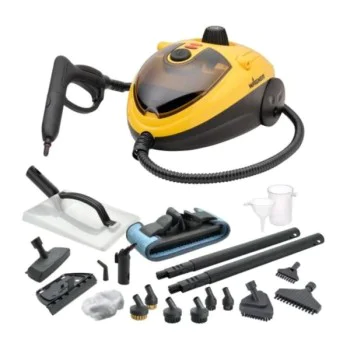
The included accessories greatly influence the actual usefulness of the appliance. Brushes of varying stiffness, spot nozzles, glass attachments, microfiber cloths, mop pads, and extension tubes expand the range of applications without the need for separate machines. With frequent use, it's a good idea to have spare cloths and pads on hand, as they wear out and trap dirt. Some models work better with demineralized water, which helps keep the steam system cleaner and limits limescale buildup.
Accessory compatibility is important when replacing or adding to the set. The diameter of the nozzles, the mounting method, and the shape of the tip must match the specific model. For professional-grade machines, more durable hoses, sturdy wheels, secure connections, and comfortable handles are essential, as the workload is higher and operating cycles are longer.
Safe Operation and Maintenance
Working with hot steam requires attention to temperature, pressure, and the direction of the jet. Do not point the nozzle at people, animals, electrical outlets, or sensitive electronics. Before changing an attachment, the device must cool down according to the manufacturer's instructions. When cleaning floors, it is important to ensure that moisture does not remain on the surface for too long, especially around grout lines, edges, and joints.
Regular cleaning of the tank, nozzles, and fabric components ensures the machine operates properly. In hard water, scale buildup in the system reduces steam power and increases heating time. Replacing worn-out cloths and brushes ensures even cleaning and protects surfaces from scratches.
Steam cleaners for the home, workshop, and professional maintenance
Steam cleaners are a practical choice for customers seeking deeper hygiene, flexibility, and reduced reliance on chemical cleaners. When selecting a model, consider pressure, power, capacity, heat-up time, cord length, nozzle size, and available attachments. At Toolsbox.bg, you'll find solutions for home use, facility maintenance, service operations, and cleaning various surfaces, so you can choose a tool based on your actual tasks and workload.