
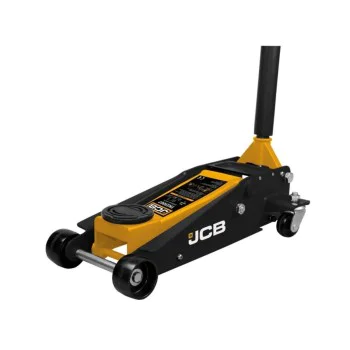
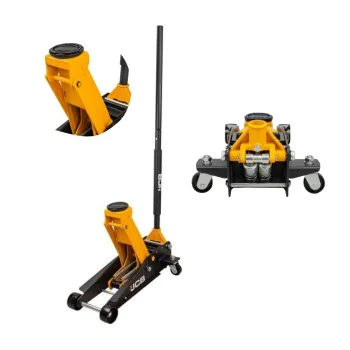
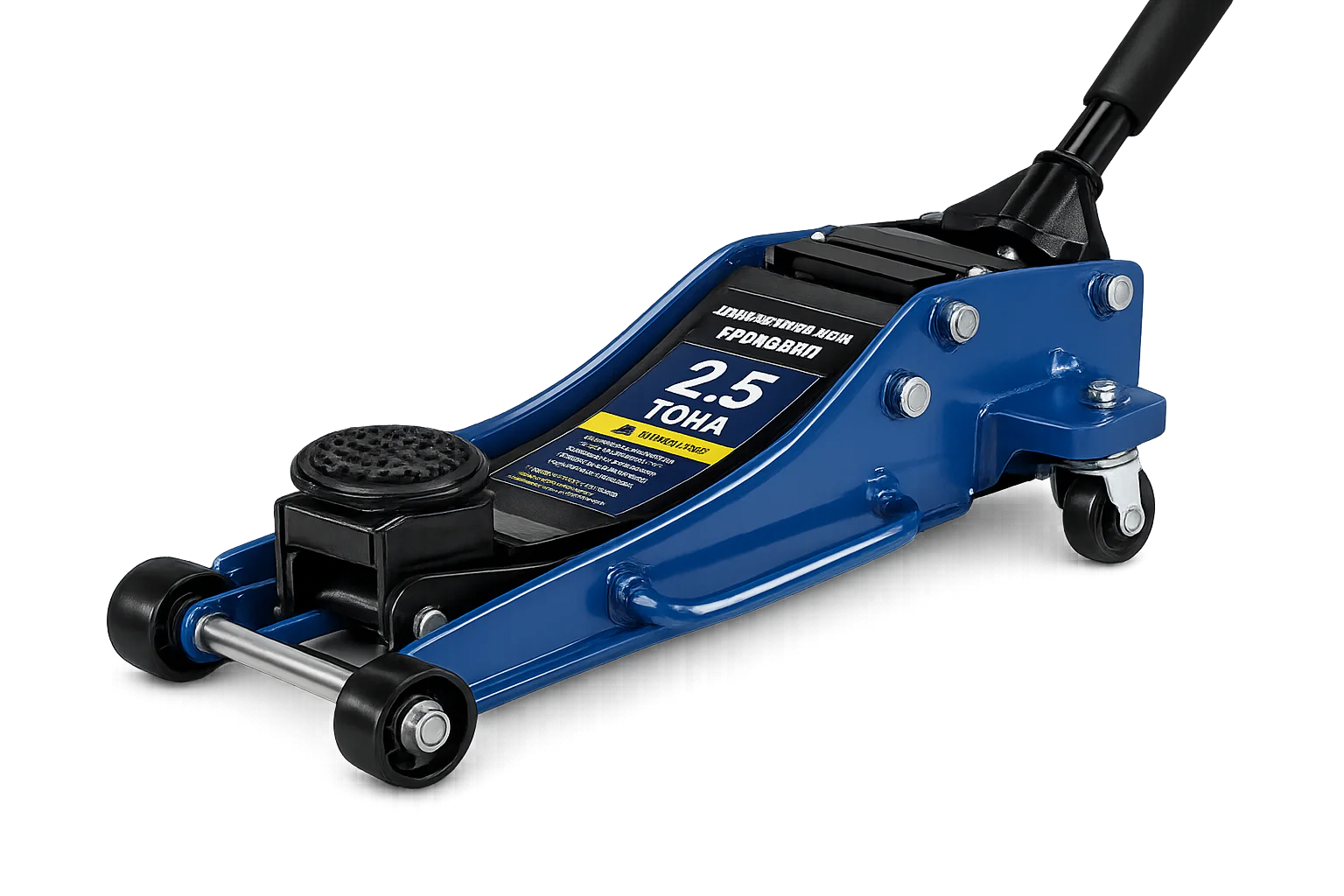
Hydraulic crocodile jack
Hydraulic Alligator Jack for Service Shops, Garages, and Mobile Maintenance
A hydraulic alligator jack is a practical lifting tool for raising cars, vans, and other vehicles during tire changes, suspension repairs, brake servicing, or seasonal maintenance. The wheeled design makes it easy to position under the vehicle, and the hydraulic mechanism lifts the load smoothly via a lever and controlled pressure.
This type of jack is preferred in auto repair shops, tire shops, garages, and for maintaining company vehicle fleets. A hydraulic alligator jack provides stable support when properly positioned on a flat, solid surface and allows for quick reaching of the working height. The various models differ in load capacity, minimum and maximum lifting height, chassis length, wheel type, support foot size, and handle design.
Where is a hydraulic crocodile jack used?
A hydraulic crocodile jack is used to lift one side or one axle of a vehicle during tasks requiring access to the wheels, brake system, sills, underbody, or suspension components. For home use, it is convenient for seasonal tire changes and minor repairs. In a service setting, it saves time on repetitive tasks and offers more comfortable operation compared to compact bottle jacks when there is sufficient room to maneuver.
For cars with low ground clearance, low-profile versions are preferred, as they fit under the sill without difficulty. For SUVs, vans, and heavier vehicles, models with a longer stroke and higher load capacity are required. A hydraulic alligator jack with a long chassis provides better access to deeper lifting points, and models with a wider base stand more stably when used correctly.
How to choose the right model
The selection process starts with the vehicle's weight and the type of work. The jack's load capacity should be chosen with a sufficient margin relative to the weight of the vehicle part being lifted. For passenger cars, compact garage models are often sought after, while for service shops, vans, or more intensive work, heavier-duty versions with a reinforced chassis and a longer lever are preferred.
- Load capacity: indicates the maximum load for which the mechanism is designed. It is selected based on the type of vehicle and the frequency of use.
- Minimum height: this is important for sports cars, low sills, and vehicles with limited ground clearance.
- Maximum height: determines how high a hydraulic crocodile jack will lift the vehicle for placing stands or removing a wheel.
- Chassis and wheels: the steel body, stable axles, and maneuverable wheels help ensure precise positioning on a level surface.
- Support foot: The larger contact area distributes the load more evenly across the lifting point.
- Handle and lowering valve: The comfortable handle and precise valve provide smooth control during lifting and lowering.
Low-profile or standard hydraulic crocodile jack
The low-profile hydraulic alligator jack is a practical choice for vehicles with low ground clearance, sport bumpers, or lowered vehicles. Standard models are typically suitable for daily maintenance of passenger cars, trailers, and some taller vehicles. For SUVs and vans, the greater maximum height is often more important than the low entry profile, as sufficient clearance is needed to safely position the support stands.
Safe operation and vehicle compatibility
A hydraulic alligator jack lifts the load but does not replace safety stands when working under the vehicle. After lifting, the vehicle must be supported on certified stands with a load capacity appropriate for its weight. The jack should only be placed on a firm and level surface, and the support foot must be centered at the factory-specified lifting point. Working on soft ground, slopes, gravel, or an unstable surface poses a risk of the wheels slipping or sinking.
Compatibility depends on the vehicle's ground clearance, access to the lifting points, and the required height. For vehicles with plastic sills or specific adapters, it is advisable to use a suitable rubber pad that protects the contact area and reduces the risk of deformation. For heavier vehicles, choose models with a more robust construction, a wider base, and a higher load capacity.
Construction, Maintenance, and Long Service Life
The reliable operation of a hydraulic alligator jack depends on the condition of the hydraulic system, seals, wheels, and valve. After use, the jack should be stored in the lowered position, away from moisture and dust. Periodic inspection for leaks, contamination around the piston, loose fasteners, and uneven lowering helps ensure timely maintenance. If refilling or bleeding is necessary, follow the manufacturer's instructions for the specific model.
For service use, it is advisable to choose a hydraulic all-purpose jack with a comfortable long handle, sturdy metal wheels, and easy descent control. For garage use, a more compact model is often more convenient, as it is easy to store and move effortlessly. At Toolsbox.bg, you can browse different models based on load capacity, lifting height, and application to choose a jack that suits your vehicle, workspace, and maintenance frequency.