
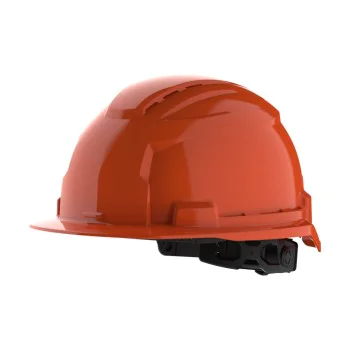
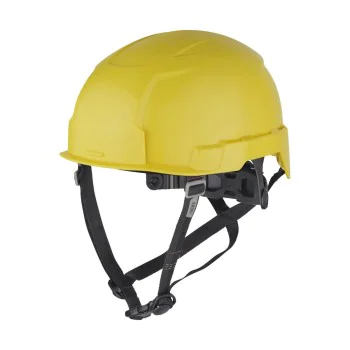
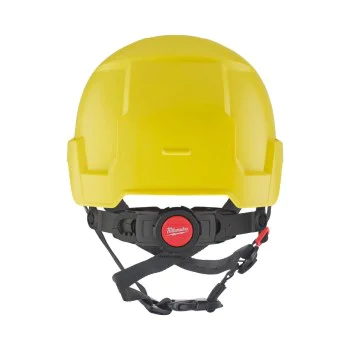
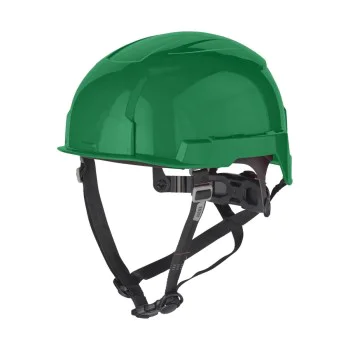
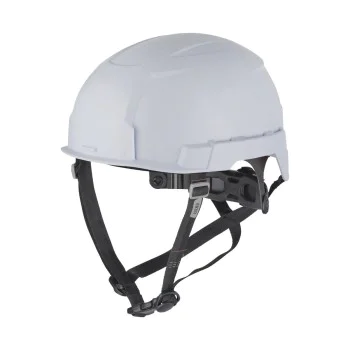
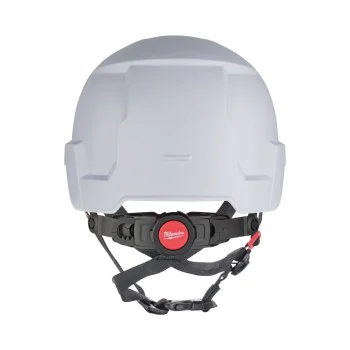
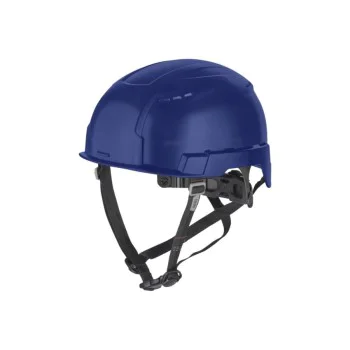
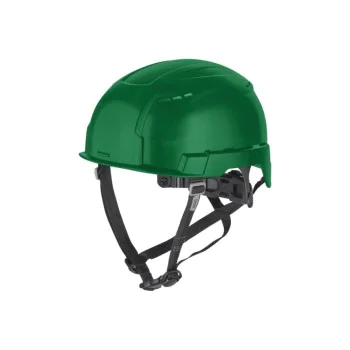
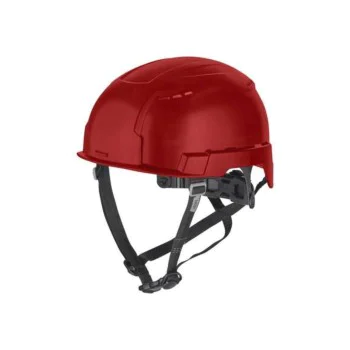
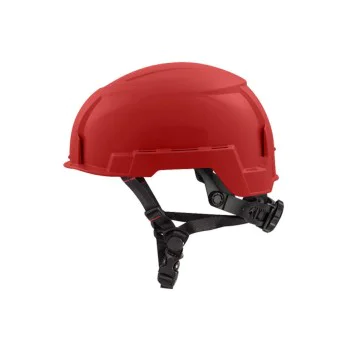
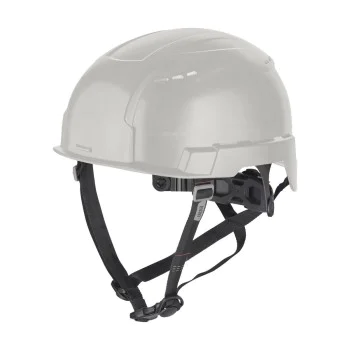

Safety helmet
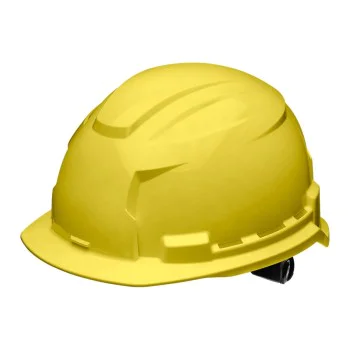
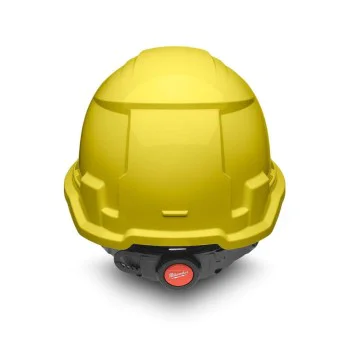
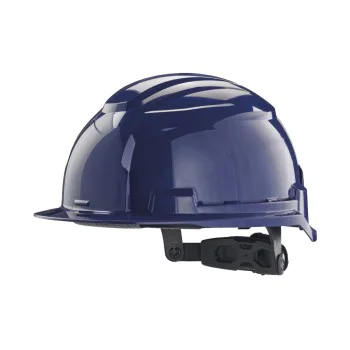
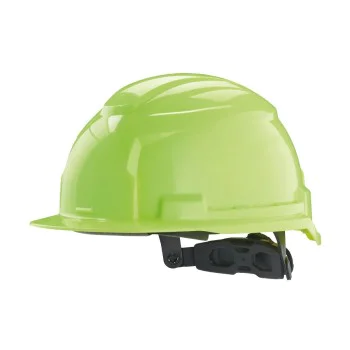
Safety helmet for head protection at work
A safety helmet is an essential part of personal protective equipment for construction, installation, repair, maintenance, warehouse operations, service, and workshop work. It protects the head from impacts, falling objects, contact with hard surfaces, and injuries when moving around machinery, tools, scaffolding, racks, or low obstacles. A properly selected model improves safety, reduces fatigue during long shifts, and allows for better concentration while working.
Toolsbox.bg offers models for professional and home use, including helmets for construction sites, repair crews, installers, technicians, warehouse workers, and craftsmen who perform tasks that pose a risk to the head. Each safety helmet is selected based on the work environment, how it is worn, the required level of comfort, and compatibility with other protective gear.
Where safety helmets are used
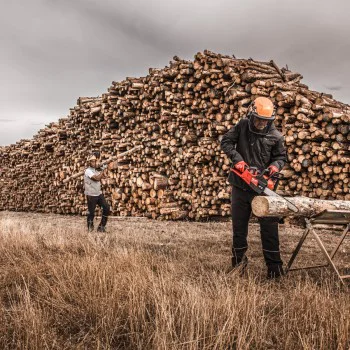
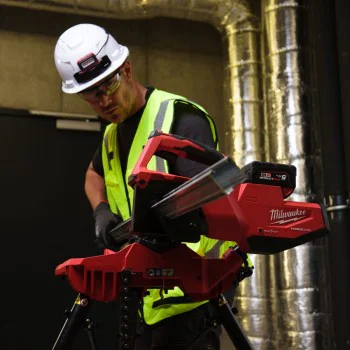
Safety helmets are worn when working on sites where there is a risk of impact, falling small objects, contact with structures, or movement around equipment. In construction, it is a standard part of the equipment for masonry, formwork, roofing, drywall, installations, and finishing work. During installation and maintenance, it protects technicians, electricians, plumbing specialists, and workers who operate near cable runs, piping systems, metal profiles, and machinery.
In warehouses, logistics areas, and production facilities, a safety helmet is essential when moving under racks, during loading and unloading, and when working near lifting equipment. For home repairs and DIY projects, it is a sensible choice for chiseling, drilling, working at heights, trimming branches, or repairs in the garage and yard.
Types and Design Features
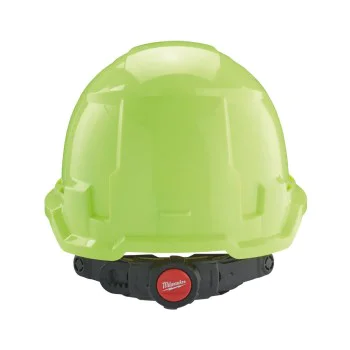
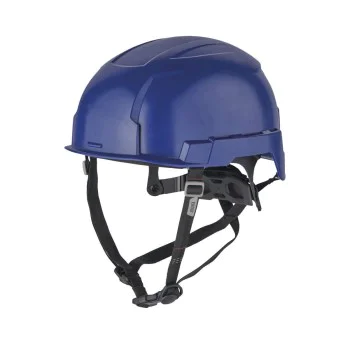
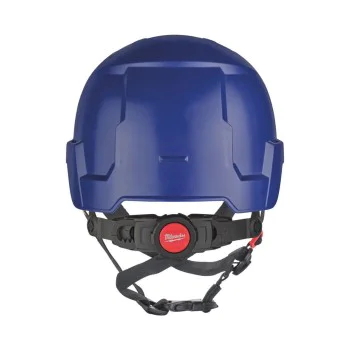
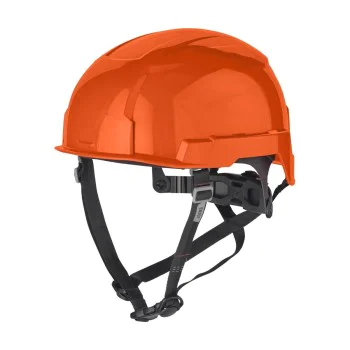
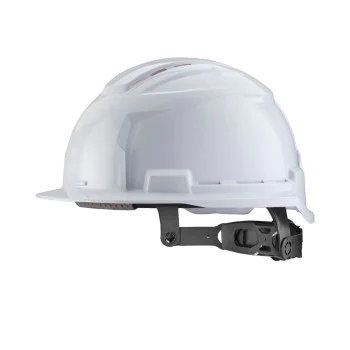
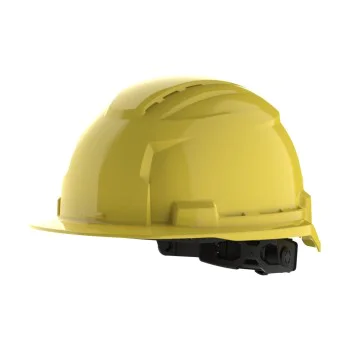
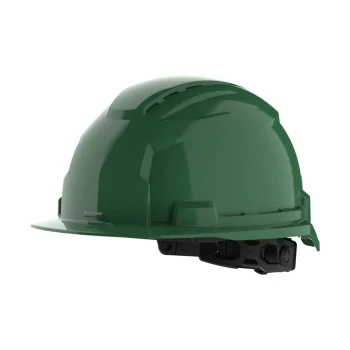
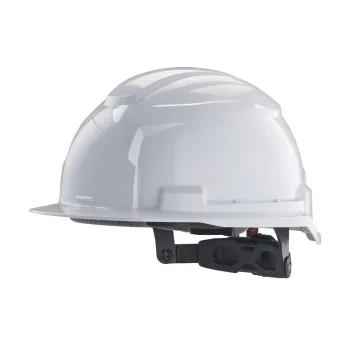
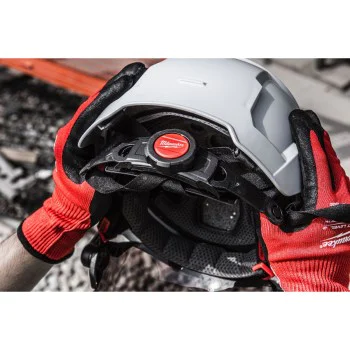
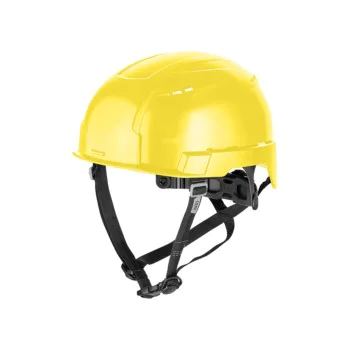
Different helmets vary in shell shape, internal suspension, fastening system, ventilation, weight, and the ability to add additional protection. The shell is usually made of a durable polymer that absorbs and distributes impact energy. The interior keeps the helmet securely on the head and creates a gap between the shell and the skull, which is essential for protection.
Models with an adjustable strap allow for customization to fit the head circumference. During longer work shifts, the comfort of the fit, soft contact points, and low weight are crucial for wearing the helmet throughout the entire workday. Ventilated models are preferred when working in warmer environments or during physically demanding activities, while closed-shell helmets are more practical in dusty or damp conditions or when site requirements are stricter.
How to Choose the Right Safety Helmet
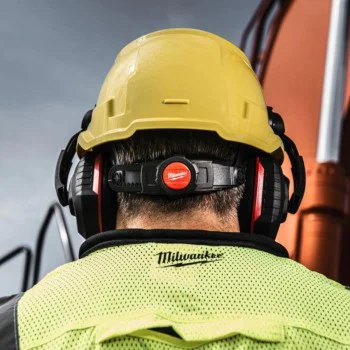
When purchasing a safety helmet, consider the type of work, on-site risks, and necessary accessories. For construction work, a sturdy shell, a good internal suspension system, and a secure fit are essential. For installers and technicians who frequently bend over or work in confined spaces, a comfortable fit and low profile facilitate movement. For work around noisy machinery, power tools, or cutting tools, compatibility with ear muffs, goggles, or a face shield is beneficial.
- Size and fit: The helmet should fit securely without being too tight.
- Shell and material: Look for a durable shell suited to the nature of the work.
- Strap system: Better weight distribution increases comfort during prolonged wear.
- Ventilation: Suitable for outdoor work, in warm environments, or during physical exertion.
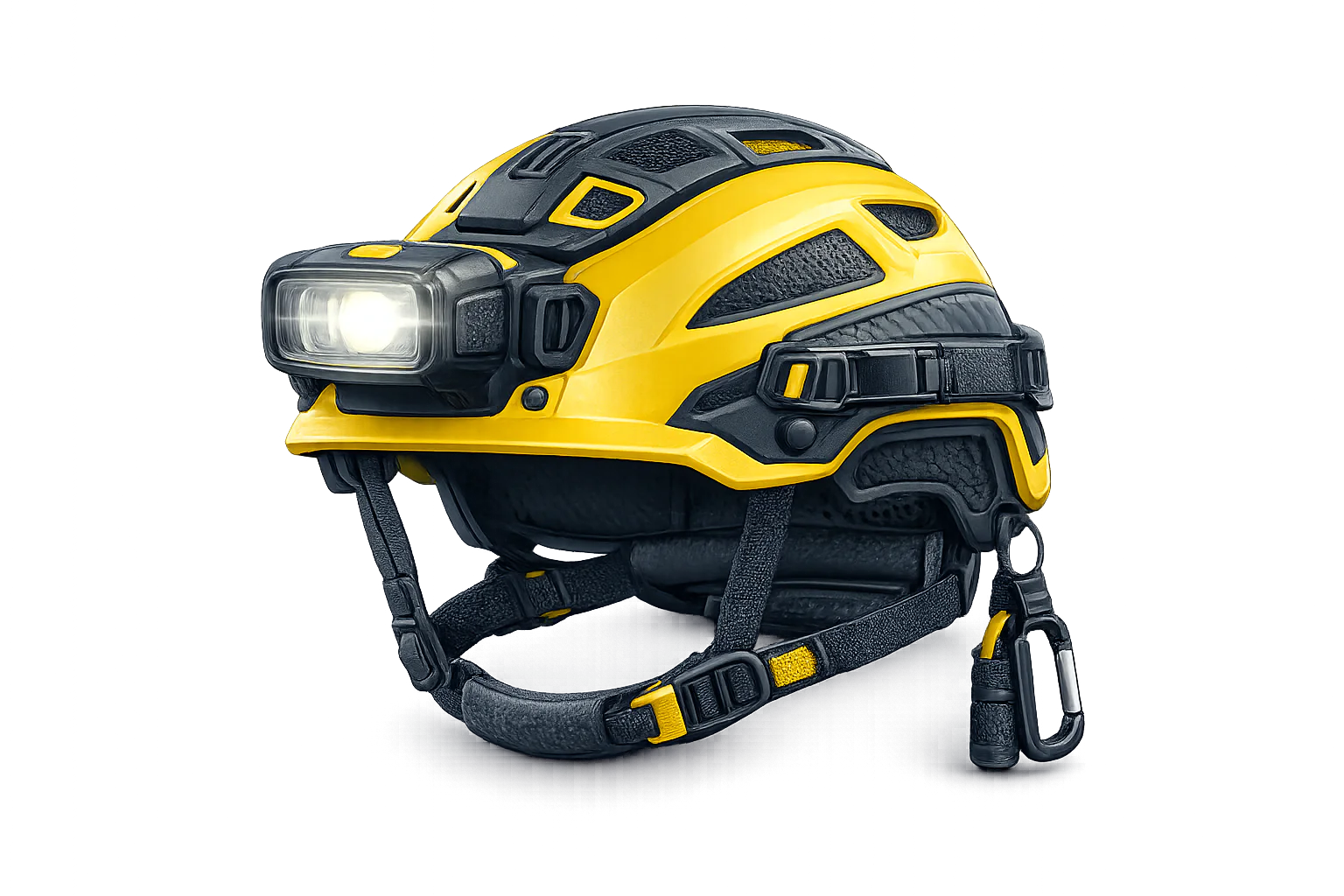
- Compatibility: Check for slots or mounting points for ear muffs, visors, headlamps, and other accessories.
- Markings: Information from the manufacturer helps in selecting the right helmet for the intended work environment.
Comfort during prolonged wear
A good safety helmet does not restrict movement, does not shift easily, and allows for easy adjustment even while wearing gloves. During a long workday, small details like a comfortable strap, a forehead sweatband, and smooth circumference adjustment make a big difference. For teams with workers of different sizes, models with a wide range of adjustment are practical because they can be quickly adjusted to fit various head sizes.
Compatibility with other protective equipment
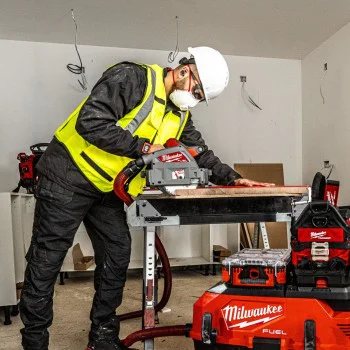
When working with an angle grinder, hammer drill, circular saw, compressor, or other equipment, safety glasses, earplugs, a dust mask, or a face shield are often required. Therefore, a safety helmet with side slots or the ability to attach accessories makes it easier to set up a complete protection system. Combining a helmet with the right safety glasses and hearing protection is particularly useful when cutting, chiseling, grinding, and working in noisy environments.
Maintenance, Storage, and Service Life
To maintain its protective properties, every safety helmet requires regular visual inspection. Cracks, deep scratches, deformations, broken suspension components, or a damaged strap are signs that the helmet needs to be replaced. After a strong impact, the helmet should not be worn again, even if the shell appears intact. Cleaning should be done with a soft cloth and a mild detergent, without aggressive solvents that can damage the material.
Storage also affects the condition of the helmet. Prolonged exposure to sunlight, high temperatures, oils, fuels, or chemicals can shorten the shell's lifespan. It is good practice to store helmets in a dry place, away from sharp objects and heavy loads. When working in a team, it is helpful for each worker to have a personal safety helmet, adjusted to fit their head and checked before starting work.
Safety Helmet for Professional and Home Use
A safety helmet is a small piece of equipment, but it plays a major role in safety on a construction site, in a workshop, or during home repairs. When choosing, pay attention to the application, comfort, adjustability, and compatibility with the rest of your protective gear. Browse the models at Toolsbox.bg and select a helmet that suits your work style, environment, and required protection.