
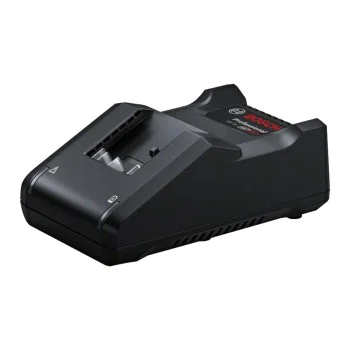
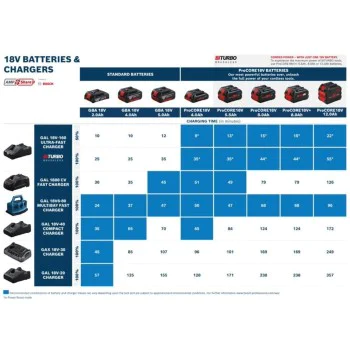
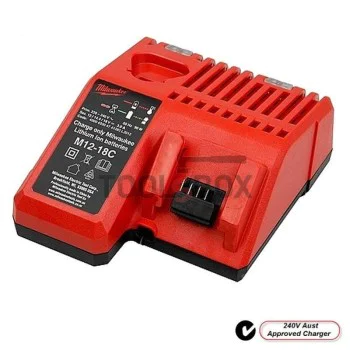
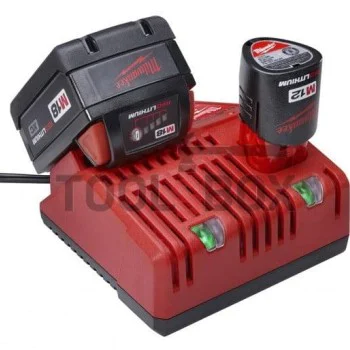

Chargers for batteries
Battery chargers for automotive, service, and home use
Battery chargers are devices for restoring, maintaining, and controlling the charging of starter and traction batteries. They are essential for cars, motorcycles, vans, trucks, boats, RVs, garden equipment, forklifts, battery-powered machinery, and equipment that remains idle for long periods. A properly selected charger extends the battery's service life, reduces the risk of deep discharge, and saves time when preparing equipment for seasonal or daily use.
This section features compact chargers for home garages, more powerful units for service environments, smart chargers with microprocessor control, models with a maintenance mode, and units for various voltages. Some chargers operate with 6 V, 12 V, or 24 V batteries, while others cover more than one operating range. The differences between the various solutions are most evident in the charging current, battery type, capacity in Ah, available modes, safety features, and ease of connection.
What types of batteries can be charged with these devices
Battery chargers are most commonly used for lead-acid batteries with liquid electrolyte, as well as AGM, GEL, and EFB batteries. Some modern models feature separate modes for different battery chemistries, as the charging profile varies. AGM batteries, for example, require precise voltage control, while GEL batteries are sensitive to incorrect charging current. For LiFePO4 batteries, only a charger that explicitly supports this type of battery should be selected.
For passenger cars, 12 V chargers with a charging current appropriate for the battery's capacity are typically sought. For motorcycles, ATVs, and small garden equipment, more compact models with lower current and a gentle charging mode are convenient. For trucks, agricultural equipment, and larger batteries, devices with 24 V operation or a higher charging current, selected according to capacity and load, are required.
Main Types of Battery Chargers
Different chargers are designed for different operating styles. For a single charge of a car battery in a garage, a compact unit with clear indicators and safety features is sufficient. For a service center, fleet, or workshop, a model with higher current, a durable housing, reliable clamps, and the ability to work with batteries of varying capacities is more practical. For equipment that remains idle for long periods, the trickle charge mode is very useful, as it delivers a small, controlled charge and protects the battery from self-discharge.
| Charger type | Where it is used | Selection guidelines |
|---|---|---|
| Compact 6 V / 12 V | Motorcycles, small cars, garden equipment | Low charging current, easy connection, trickle charge mode |
| Smart 12 V | Light vehicles, AGM, GEL, and EFB batteries | Modes based on battery type, protections, clear indication |
| Powerful 12 V / 24 V | Vans, trucks, service stations, vehicle fleets | Higher current, sturdy cables and clamps, high-capacity operation |
| Maintenance charger | Seasonal vehicles, RVs, boats, classic cars | Long-run mode, voltage control, low power consumption |
How to choose a charger based on the battery
When choosing a battery charger, the first things to consider are the battery's voltage and capacity. A charger designed for a 12 V battery should not be used for a 24 V system, unless the device has a separate mode for that voltage. The capacity in ampere-hours indicates the size of the battery and helps in selecting the charging current. A charger that is too weak will charge a large battery slowly, while an overly aggressive current is not suitable for small batteries.
The battery type is the next criterion. Lead-acid, AGM, GEL, EFB, and lithium-iron-phosphate batteries have different requirements for the charging profile. A microprocessor-controlled charger regulates the process in stages-start, main charge, absorption, and maintenance. This way, the device reduces the current output once the required voltage is reached and protects the battery from overcharging.
For professional use, the length and cross-section of the cables, the durability of the terminals, the visibility of the display or indicators, ventilation, and portability are important. For home use, lighter chargers with a clear operating mode, reverse polarity protection, and easy storage are often preferred. When used outdoors, the housing and cables must withstand normal garage and work conditions, without contact with water, mud, or corrosive liquids.
Useful Features and Protections
Modern battery chargers offer various features that simplify charging and reduce the risk of errors. The status indicator shows the charging stage and the approximate battery charge level. Reverse polarity protection safeguards the device if the terminals are reversed, while short-circuit and overheating protection enhance operational safety. Some models feature a recovery or desulfation mode designed for certain lead-acid batteries with reduced performance.
Trickle charging is valuable for seasonal vehicles and equipment that sit idle for months. The charger monitors the voltage and supplies a minimal current when the battery begins to lose its charge. This makes it easier to ensure a car, motorcycle, boat, or lawn mower is ready for its next start. However, for very depleted or damaged batteries, the charger does not replace diagnostics-if the battery does not hold a charge, the cause is often wear, sulfation, or an internal defect.
Safe Operation and Maintenance
Charging batteries requires the correct sequence and clean contact surfaces. The terminals must fit securely, without loose contact or oxidation. The work area should be well-ventilated, especially when working with serviceable lead-acid batteries. Cables should not be pinched, stretched, or allowed to touch hot parts. The charger should be stored in a dry place with cables coiled and clamps protected to maintain good electrical contact.
With regular battery checks and periodic recharging, the vehicle starts more reliably, especially during cold months or after a long period of inactivity. Browse the battery chargers available at Toolsbox.bg and choose a device based on voltage, capacity, battery type, and how you use it in your garage, service station, or workshop.