
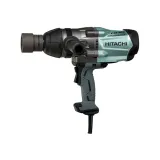
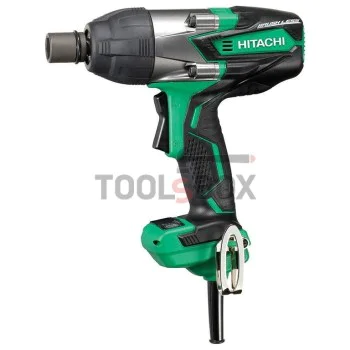
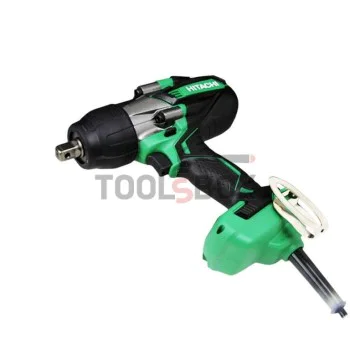
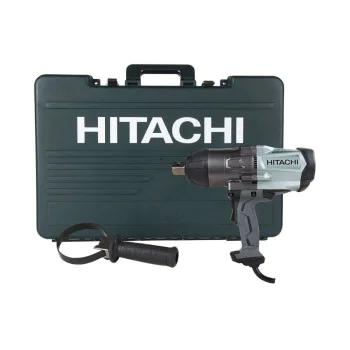
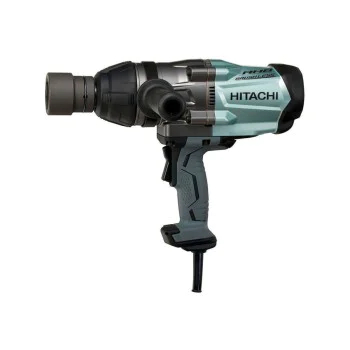
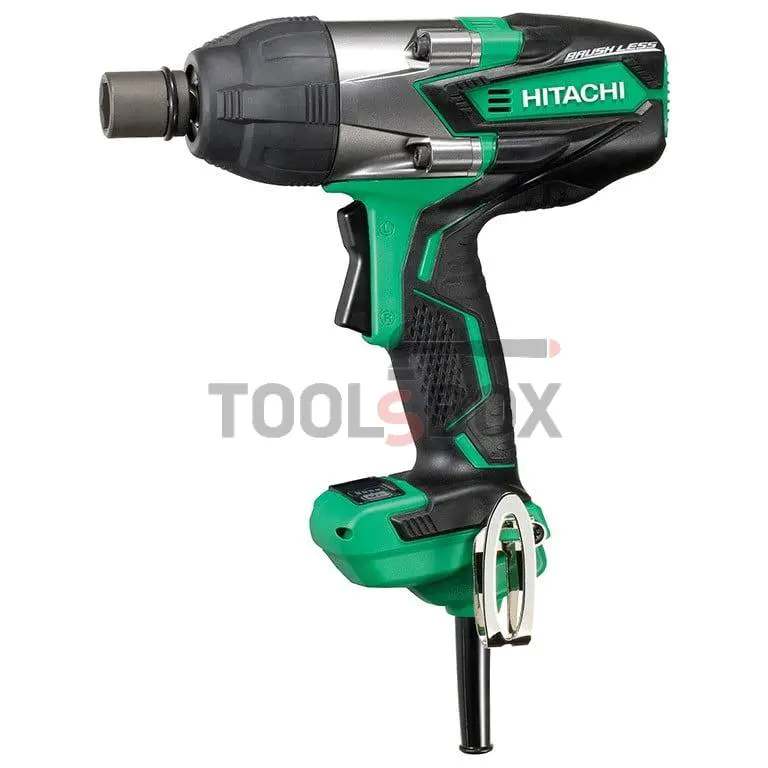
Electric wrenches
Electric impact wrenches for quickly loosening and tightening fasteners
Electric impact wrenches are practical power tools for working with bolts, nuts, and threaded connections that require high torque and consistent impact transmission. They facilitate maintenance work, the assembly of metal structures, auto repairs, machine maintenance, and equipment assembly. Power from the electrical grid provides continuous power without breaks for battery charging, which is valuable for longer work sessions in a garage, workshop, or construction site with an available power source.
This section features models with varying power, torque, chuck size, and housing design. Lighter impact wrenches are convenient for installation tasks, wheel changes, and working in confined spaces, while more powerful machines are designed for heavy fasteners, rusted nuts, flange connections, and equipment maintenance. The choice depends on the fastener diameter, frequency of use, required torque, and available sockets.
Where are electric impact wrenches used?
The impact wrench differs from a standard drill or screwdriver in its impact mechanism, which transmits short, powerful pulses to the fastener. This allows the tool to create tight connections with less strain on the operator's hand. This makes it valuable for automotive repairs, tire changes, suspension removal, work on trailers, agricultural equipment, metal frames, scaffolding, and anchor connections.
During assembly work, the electric impact wrench speeds up work with a large number of identical fasteners. In the service shop, it helps loosen tight or dirty nuts, and in the workshop, it is convenient for assembling machines, stands, shelves, and metal products. For home use, it is valuable for seasonal tire changes, yard equipment maintenance, and repair work around the garage.
Differences between individual models
Electric impact wrenches differ primarily in torque, power, RPM, impact rate, and socket size. Torque is specified in Nm and indicates the force with which the tool tightens or loosens the fastener. A lower value is sufficient for light assembly tasks, while automotive and industrial applications require a more powerful mechanism.
The drive size determines which impact sockets the tool will use. The most common is the 1/2" drive, used for automotive work and many general repairs. Larger sockets, such as 3/4" or 1", are found on heavier-duty machines for large bolts and equipment. Some models feature speed control, a reverse function for changing direction, a rubberized grip, a storage case, or a set of sockets.
| Criteria | What to consider when choosing |
|---|---|
| Torque | Determines the force used to loosen and tighten bolts and nuts. |
| Chuck | Must match the impact sockets and the size of the fasteners. |
| Power | A higher value supports continuous operation and heavy-duty applications. |
| Weight and shape | These affect comfort when working overhead, in a fender, or in tight service access areas. |
| Adjustment | Allows for more precise control with different materials and thread sizes. |
How to choose the right impact wrench
For an auto shop or regular tire changes, look for a model with sufficient torque for wheel nuts and a 1/2" square drive. When working on trucks, agricultural machinery, or heavy metal structures, more powerful models with a larger grip and a heavier-duty gearbox are more suitable. For installing shelving, fences, metal frames, and equipment, pay attention to comfort, speed control, and good access to the work area.
Do not select the tool based solely on the maximum torque value in Nm. Excessive force on small fasteners damages the threads, deforms washers, or makes subsequent removal difficult. For precise final tightening, especially on wheels and critical joints, use a torque wrench after working with the impact wrench. This ensures the fastener is tightened to a specified value, not just by feel.
Compatibility with sockets and accessories
The electric impact wrench must be used with impact sockets designed for impact loads. Standard chrome-plated ratchet sockets are not intended for impact use and may be damaged. Select sockets with the correct profile, size, and depth for the nuts you are working with. Extensions, universal joint adapters, and adapters help in hard-to-reach places, but they reduce some of the transmitted power, so use them wisely.
To extend the tool's service life, keep the ventilation openings clean, protect the cable from being pinched, and do not overload the tool for extended periods on a seized fastener. For heavily corroded nuts, pre-cleaning the threads and using penetrating lubricant reduces the load on the mechanism. After use, store the impact wrench and sockets in a dry place, away from dust and moisture.
Safe and Precise Operation
When working with electric impact wrenches, wear safety goggles and gloves, keep the cable out of the rotation zone, and secure the workpiece firmly. Do not hold the socket close to the nut during operation, and do not use damaged accessories. When removing wheel nuts, the vehicle must be secured, and when working with construction anchors, the material must be checked for cracks and spalling.
Browse the available electric impact wrenches at Toolsbox.bg and select a model based on the type of fasteners, work intensity, required torque, and compatible sockets. This way, you get a tool that speeds up repairs, reduces physical effort, and maintains a steady workflow in the service center, workshop, or garage.