
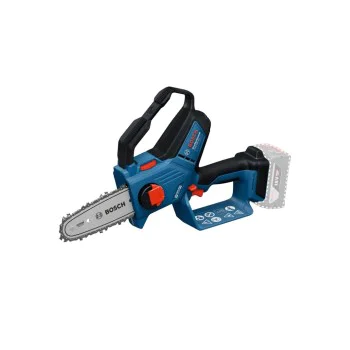
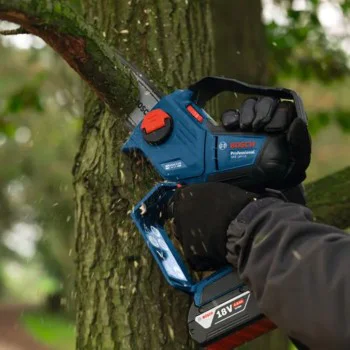
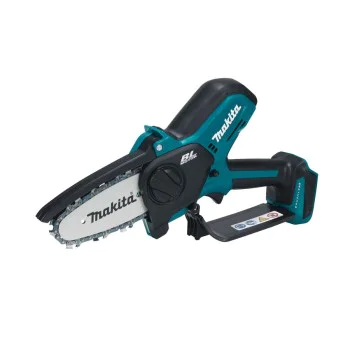
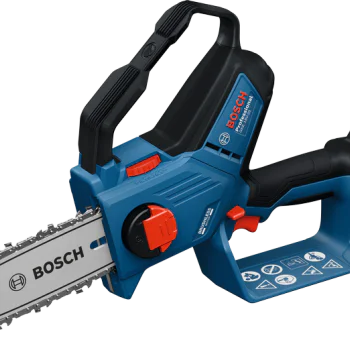
-350x350.jpeg.webp "Cordless Lopper Bosch GKE 18V-20 06008D7100")
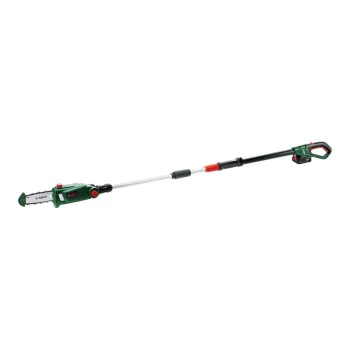
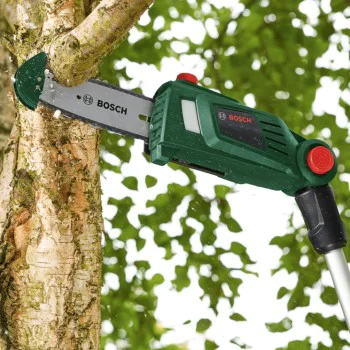
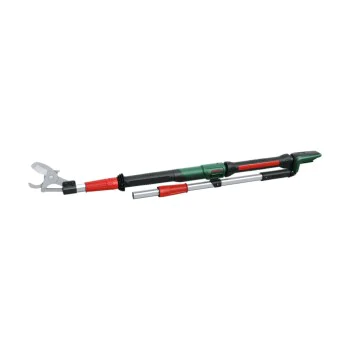
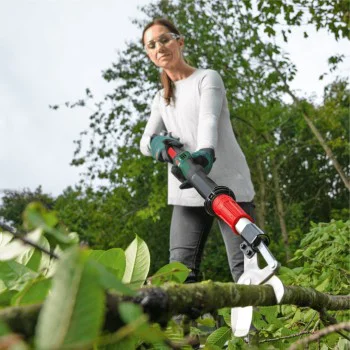
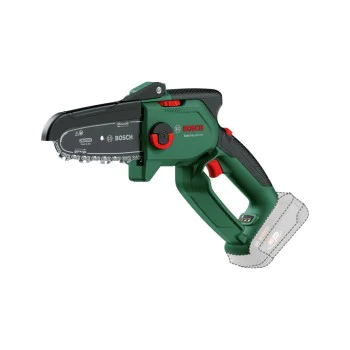
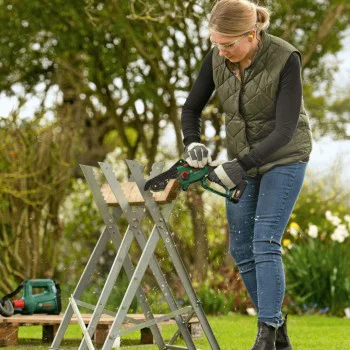
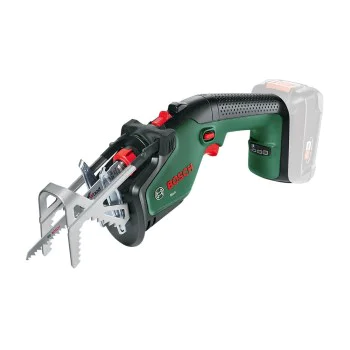
Cordless saws for branches
Cordless branch saws - compact cutting for pruning and maintenance
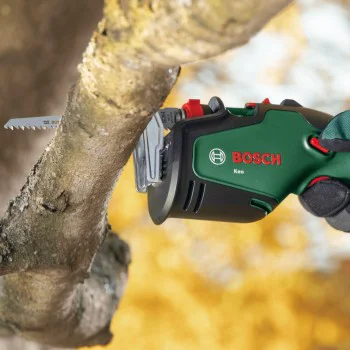
Cordless branch saws are practical tools for cutting fresh and dry branches, shaping shrubs, clearing up after storms, and maintaining yards, gardens, or orchards. Cordless operation provides freedom around trees, fences, flower beds, and hard-to-reach areas, while the compact design makes it easy to cut at height, in dense canopies, or in tight spaces. These saws are part of the cordless saw group but are designed for more precise work on branches and lighter wood, where maneuverability and low weight are important.
The models in this section are valued by gardeners, maintenance technicians, homeowners, and discerning DIYers. They save time compared to a hand saw, reduce physical strain, and allow for clean cutting without the need for extension cords or fuel mixtures. With the right battery and a well-maintained chain, the machine runs smoothly, with good control over the cut and less noise than gasoline-powered alternatives.
Applications for pruning, shaping, and clearing
Cordless pruning saws are used for seasonal pruning of fruit trees, shaping ornamental plants, cutting cut branches, and preparing small wood for removal or chipping. They are convenient for working around a house, cottage, farmyard, park, or small orchard. The machine allows for quick movement from branch to branch, which is useful when clearing deadwood and during sanitary pruning.
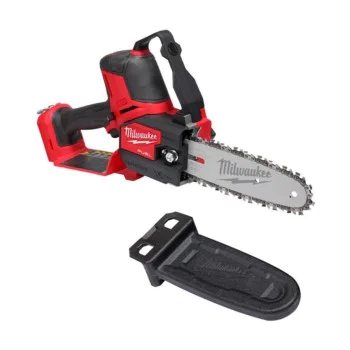
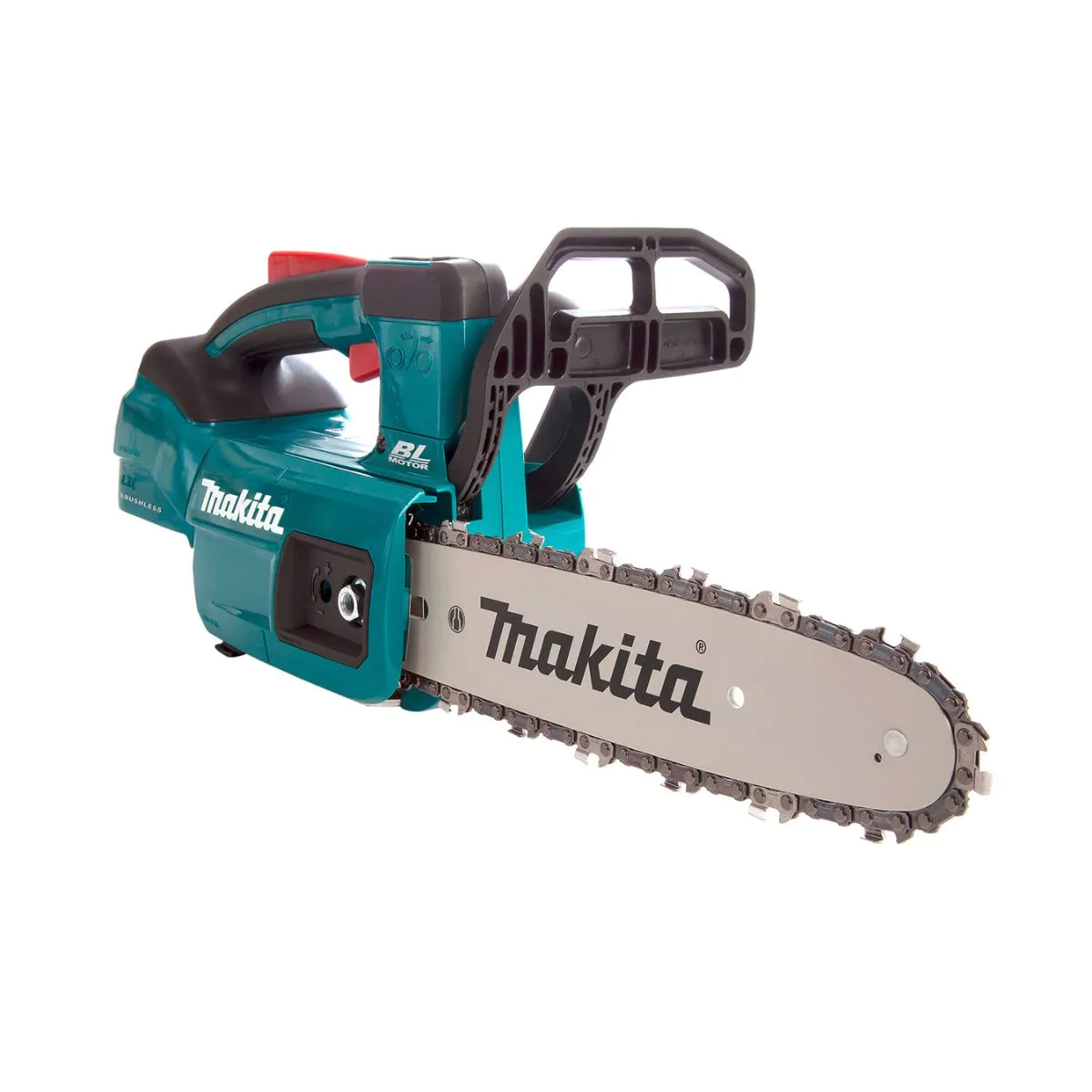
Unlike standard chainsaws, pruning models are typically more compact and easier to operate with one or two hands, depending on the design. The short bar reduces the risk of awkward positioning in the tree canopy and facilitates control when cutting thinner branches. For thicker wood, look for models with a sturdier bar, a more powerful motor, and a battery with a higher capacity.
Main Types and Differences Between Models
Different cordless pruning saws vary in cutting mechanism type, bar length, weight, grip, battery capacity, chain tensioning system, and safety features. Compactness and easy maneuverability are the key features of smaller machines, while the more powerful models are designed for more intensive maintenance and cutting thicker branches.
| Features | How it affects performance |
|---|---|
| Bar length | A shorter bar facilitates precise pruning, while a longer one helps with thicker branches. |
| Battery capacity | A higher capacity extends the runtime between charges. |
| Weight and balance | A lighter machine causes less fatigue when working overhead and during prolonged pruning. |
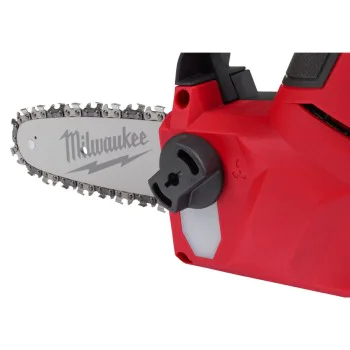
| Chain Tension | The convenient mechanism speeds up adjustment and maintains a stable cut. |
| Safety features | The guard and trigger lock enhance control during operation. |
What to Consider When Buying
Before choosing a cordless pruning saw, it's helpful to determine the type of work you'll be doing. For light pruning of shrubs, vines, and thin branches, a compact model with a short bar and low weight is sufficient. For fruit trees, regular yard maintenance, or thicker branches, it is better to look for a machine with higher power, a stable grip, and a battery pack with higher capacity.
- Cutting diameter: Choose a machine based on the typical thickness of the branches you will be cutting.
- Wood type: Dry and hard wood puts more strain on the chain and motor.
- Working time: for a larger yard, it's practical to have a spare battery or one with a higher capacity.
- Ergonomics: A comfortable handle, good balance, and low vibration help with longer tasks.
- Maintenance: Easy access to the chain, bar, and cover saves time during cleaning.
When choosing a cordless tool, check the compatibility of the battery and charger. Many brands use a common platform where a single battery powers several tools from the same series. This is convenient for users who already own a screwdriver, pruning shears, trimmer, or other garden tool from the same system.
Chains, guide bars, batteries, and useful accessories
The cutting element directly affects the speed and cleanliness of the cut. A well-sharpened chain reduces the load on the motor and makes the work smoother. A worn or improperly tensioned chain results in slower cutting, overheating, and an uneven cut. The guide bar must be clean, with no accumulated chips in the groove, and lubrication must meet the requirements of the specific machine.
For cordless branch saws, select consumables and accessories according to the model: spare chains, guide bars, chain oil, batteries, chargers, protective gloves, and safety goggles. When working with branches above shoulder level, eye protection is especially important because small chips and pieces of bark can easily fly into your face. Sturdy shoes and work gloves improve grip and reduce the risk of dropping the machine.
Safety and Machine Care
The cordless pruning saw must be held steady, without twisting the bar in the cut. The branch must be well supported or positioned so that the chain does not jam. Before cleaning, changing the chain, or making adjustments, remove the battery from the machine. This prevents accidental start-up and facilitates maintenance.
After use, it is advisable to clean the housing, guide bar, and the area around the chain of chips and resin. Check the chain for dullness, proper tension, and signs of damage. Store batteries in a dry place, away from direct heat and moisture. Regular maintenance extends the machine's service life and ensures consistent cutting performance for future tasks.
Choosing cordless pruning saws from Toolsbox.bg
Toolsbox.bg offers cordless branch saws for both home and professional use-from lightweight models for occasional pruning to more powerful machines for regular garden maintenance. Review the specifications, compatible batteries, bar length, and available accessories to select a machine that suits your work style and the scope of your garden tasks.