
Giraffes for grinding
Wall and Ceiling Sander
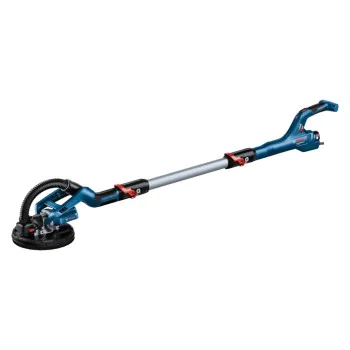
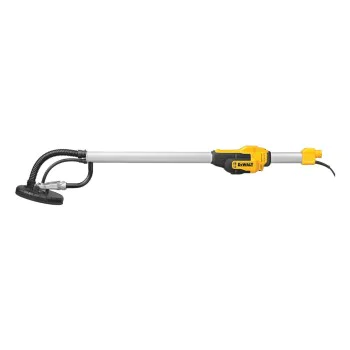
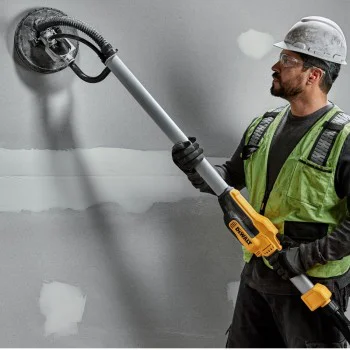
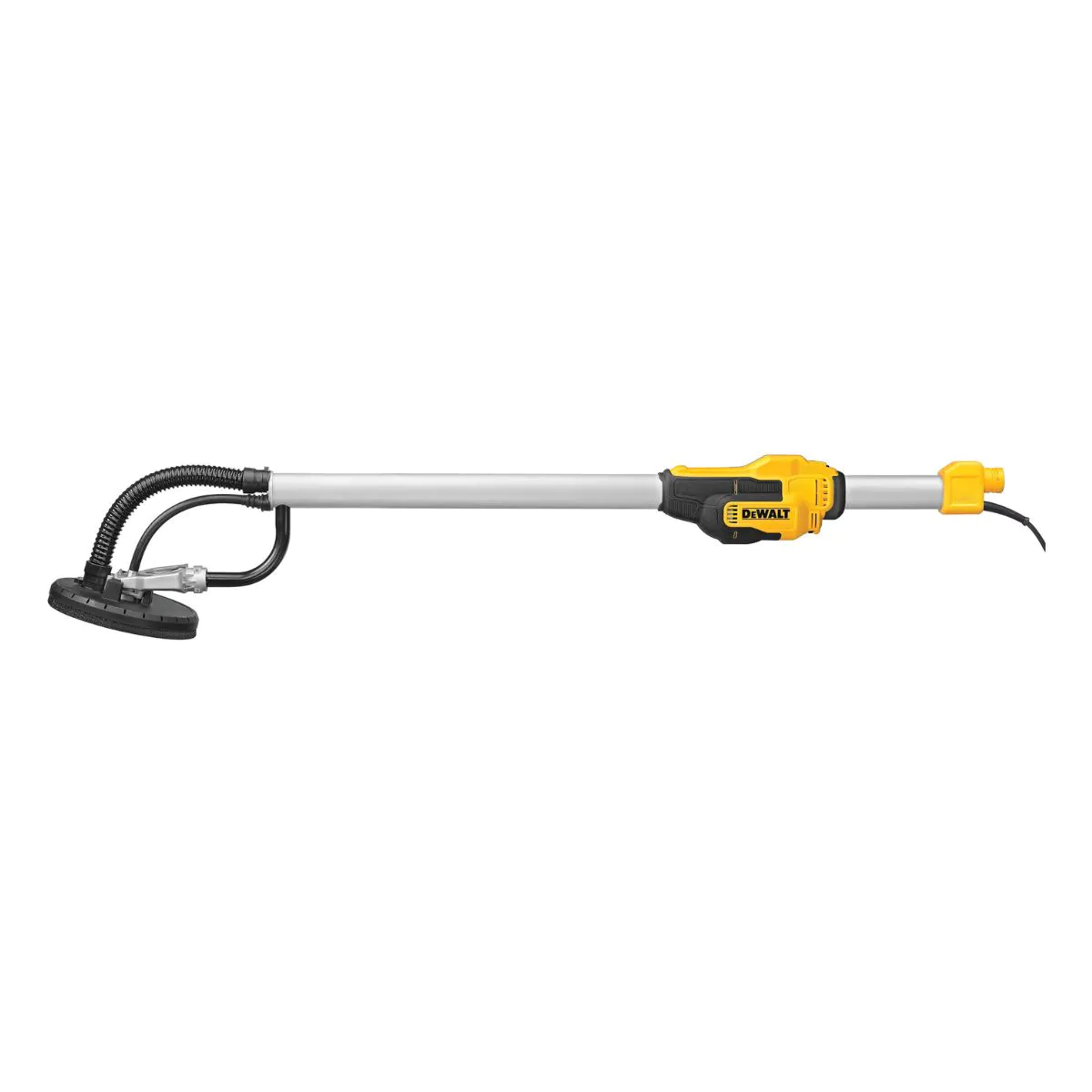
Giraffe sanders are specialized sanding machines designed for treating large surfaces on walls and ceilings. They facilitate the smoothing of spackle, gypsum plaster, drywall joints, old coatings, and other substrates before painting or finishing. The extended handle and rotating sanding head allow for working at height without constantly moving the ladder, while dust extraction systems help maintain a cleaner work environment during renovation and construction.
For craftsmen, drywall installers, painters, and discerning DIYers, sanding giraffes save time when preparing surfaces. Unlike a standard hand sander or compact sander, this type of power tool covers a larger area, maintains more even pressure, and reduces fatigue during prolonged overhead work.
Applications of sanding giraffes
Giraffe sanders are primarily used for interior finishing work, home renovations, office and retail space renovations, and construction sites. These machines are invaluable for working on plastered walls, leveling joints between drywall panels, removing minor imperfections after plastering, and preparing the surface for latex paint, primer, or decorative coatings.
For ceilings, the extended design provides better access to hard-to-reach areas and reduces the need for work platforms in rooms with standard ceiling heights. For walls, the machine helps achieve a smooth finish over large areas where manual work would take longer. Some models feature a folding or telescoping handle, which facilitates transport, storage, and adjustment according to the specific task.
Differences Between Models
The available sanding giraffes differ in power, RPM, sanding head diameter, weight, handle shape, dust extraction method, and control type. Higher-power models are designed for more intensive work and larger areas, while the lighter versions are convenient for home repairs, finishing work, and shorter tasks.
Speed control is useful for different materials and levels of finish. A lower speed is selected for delicate spackling or fine sanding, while a higher speed helps with rougher work. Sanding heads can be round or segmented for working near edges and corners. Some machines feature LED lighting around the head, which improves visibility of imperfections in low light.
Dust Extraction and Working with a Vacuum Cleaner
Sanding joint compound produces fine dust, so a dust extraction system is essential for the operator's cleanliness and comfort. Sanding machines can operate with a built-in dust collector, a hose connected to a construction vacuum, or a dust bag, depending on the specific model. When connecting to a vacuum cleaner, check the adapter diameter, hose length, and compatibility with the machine's port.
Good suction prevents the abrasive from clogging quickly and helps ensure more even processing. During prolonged use, it is helpful to monitor the condition of the filters, hoses, and seals, as accumulated dust reduces suction and puts a strain on the power tool.
Criteria for Choosing a Grinding Giraffe
When selecting a sanding giraffe, the first consideration is the scope of the job. For professional use in construction and renovation, it is advisable to look for a machine with a sturdy construction, a comfortable grip, variable speed control, and a reliable connection to a dust collection system. For home use when renovating a room or apartment, a lighter model with a telescopic handle can provide the necessary control without unnecessary strain.
- Power and speed: These affect the processing speed and the machine's performance on different surfaces.
- Disc diameter: a larger working surface speeds up the sanding of walls and ceilings, while a more compact head provides better control in confined spaces.
- Weight and ergonomics: a lightweight machine with comfortable handles reduces fatigue when working overhead.
- Handle length: The telescoping design allows adjustment to the room height and the operator's position.
- Dust extraction: compatibility with a construction vacuum cleaner is valuable when working in occupied rooms and enclosed spaces.
- Consumables: Check the size of the sanding sheets, the attachment to the backing pad, and the availability of different grit sizes.
Consumables, accessories, and compatibility
Giraffe sanders work with abrasive discs, sanding sheets, or belts of a specific diameter and grit size. Coarse abrasives are used to remove more pronounced irregularities, medium-grit ones for intermediate processing, and fine-grit ones are used before painting. The self-adhesive Velcro-type attachment makes changing the disc easy, but the backing pad must be clean and undamaged to hold the abrasive evenly.
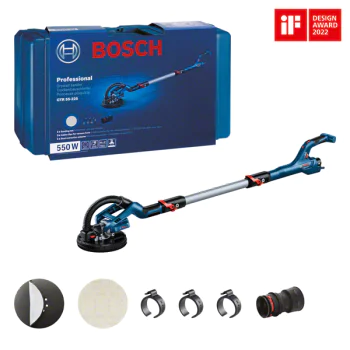
Hoses, adapters, spare backing pads, brush rings, dust bags, and carrying cases can be combined with the machines depending on the configuration. Compatibility between the machine, consumables, and dust collector is crucial for the quality of the finish, work speed, and durability of the equipment.
Safe Operation and Maintenance
When working with Giraffe sanders, safety goggles, a fine dust mask, and earplugs should be worn during noisier operations. The power cord and hose should be positioned so they do not obstruct movement. Pressure on the surface must be even; excessive pressure strains the motor, wears out the abrasive, and may leave marks on the putty.
After use, clean the machine of dust, check the condition of the pad, and inspect the hoses for blockages. Regular maintenance extends the life of the power tool and ensures its reliable performance for future projects.
Choose a precision sander from Toolsbox.bg
Toolsbox.bg offers a selection of sanding machines for finishing work, repairs, drywall installation, and professional wall and ceiling finishing. Compare power, weight, disc diameter, dust extraction method, and accessories to select a machine that suits your work style and required consumables.