
Angle screwdriver
Angle screwdriver for use in hard-to-reach places
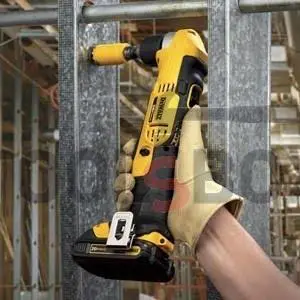
An angle screwdriver is a specialized tool for tightening and loosening fasteners in places where a standard screwdriver cannot reach comfortably-in furniture corners, tight installation niches, behind pipes, under countertops, in metal structures, automotive components, and service areas with limited access. The angled shape of the body or head allows for work close to a wall, edge, or internal corner without unnecessary strain on the wrist and without the risk of damaging the surrounding surface.
When it comes to screwdrivers, this type of tool has a clear practical purpose: it does not entirely replace the standard model, but complements it in installations where space dictates the position of the hand. That is why the angle screwdriver is valuable for furniture makers, installers, electricians, service technicians, drywall installers, and discerning DIYers who insist on clean and precise work during assembly, repair, and maintenance.
Design and operation of the angle screwdriver
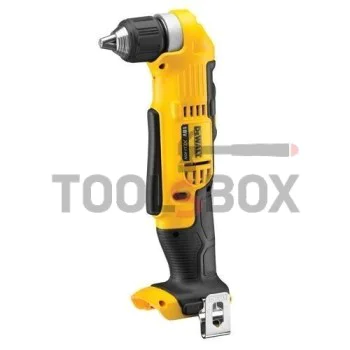
The angle screwdriver is recognizable by its compact head, positioned at an angle to the handle. This allows the bit to sit perpendicular to the body and reach fasteners hidden in tight spaces. Some models feature a standalone angle design, while others rely on an angle attachment for a standard screwdriver. Standalone machines are convenient for regular work in confined areas, while attachments are a practical solution for occasional tasks and installations with lighter loads.
Power can be battery-powered or corded, with battery-powered angle screwdrivers being preferred for on-site installations, in service areas, and when working in locations without convenient access to a power outlet. Compact battery-powered models facilitate movement around the workpiece and reduce cables in the work area. Mains-powered solutions offer continuous power, which is useful for extended operations at a single workstation.
Applications in installation, repair, and maintenance
The angle screwdriver is used for assembling cabinets, kitchens, wardrobes, shelves, and installing hinges, guides, brackets, and mounting strips. In furniture work, it helps reach screws in internal corners where the standard screwdriver body rests against the surface. This keeps the installation cleaner and reduces the risk of screw distortion.
In construction and renovation work, angle screwdrivers are useful for fastening elements around profiles, pipe runs, suspended structures, and hard-to-reach areas. In electrical installations and equipment maintenance, the compact head reaches fasteners in panels, boxes, and enclosures where a long tool is impractical. In automotive maintenance, such a screwdriver helps with removing trim, plastic panels, clamps, and fasteners around tight assemblies.
Types of angle screwdrivers and practical differences
The differences between individual models are most noticeable when working with actual fasteners and materials. Smaller angle screwdrivers are lightweight and convenient for a series of small tasks and overhead installation. More powerful machines handle longer screws, denser wood, and more intensive professional use better. Some models feature trigger-controlled speed adjustment, while others offer torque settings for more controlled installation.
| Type | Feature | Application |
|---|---|---|
| Cordless angle screwdriver | Freedom of movement and compact body | On-site installations, furniture, maintenance |
| Corded angle drill | Constant power supply when working in one place | Workshop and continuous operations |
| Angle attachment | Attaches to a screwdriver with a bit or chuck | Occasional tasks in tight spaces |
| Compact service model | Small head and low weight | Electronics, panels, cladding, cabinets |
How to choose the right angle drill
The selection process starts with the tasks you'll be performing. For furniture, trim installation, and small fasteners, a lightweight model with good maneuverability and smooth speed control is ideal. For heavier carpentry and installation work, look for higher torque, a stable grip, and a battery with sufficient capacity for the work cycle. In service work, head size is crucial because every extra millimeter affects access to the screw.
- Torque: lower settings provide fine control for delicate fasteners, while higher settings help with hard materials and longer screws.
- Speed: Smooth adjustment makes it easier to start tightening without the bit slipping.
- Grip: A rubberized handle and well-balanced body reduce fatigue during prolonged use.
- Compatibility: Check the type of chuck-hexagonal for bits, a chuck, or a system for a specific attachment.
- Battery platform: For cordless tools, it's practical for the batteries and charger to be compatible with other tools in the same system.
- Lighting: An LED light around the work area is useful for cabinets, technical niches, and service enclosures.
Bits, attachments, and compatibility
The angle screwdriver works with bits for various screw heads-PH, PZ, Torx, hex, and other profiles. The right bit protects the fastener, reduces slippage, and extends the tool's life. When working in tight spaces, short bits and magnetic holders often provide better control, while extensions are useful for deeper screws. For adapters, the grip, permissible torque, and head length must be considered to prevent loss of stability under load.
When installing in wood, particleboard, MDF, metal profiles, or plastic, the speed setting and pressure on the tool must be adjusted to the material. Excessive speed with small screws damages the head or surface, while insufficient pressure causes slippage. A well-chosen bit and the correct wrist position yield a cleaner result with every series of fasteners.
Safety, Maintenance, and Long Service Life
When working with an angle screwdriver, hold the tool steadily, do not apply lateral force to the head, and replace worn bits in a timely manner. The work area must be well-lit, and the material should be secured when precision is required. For cordless models, keep the battery dry and clean, protect the contacts from metal particles, and use the charger only with compatible batteries.
After use, it is advisable to clean the housing and ventilation openings of dust and shavings. For attachments, check the play and condition of the chuck, as wear affects control during screwing. This ensures your angle drill maintains stable performance during installations, repairs, and maintenance tasks.
Choose an angle drill for your work
At Toolsbox.bg, you can compare angle drills by power source, size, torque, bit compatibility, and practical installation features. Select a model based on your actual tasks-from furniture assembly and home repairs to professional maintenance, servicing, and workshop work. A well-chosen angle drill saves effort, improves access to fasteners, and makes assembly more precise in places where a standard tool is impractical.