
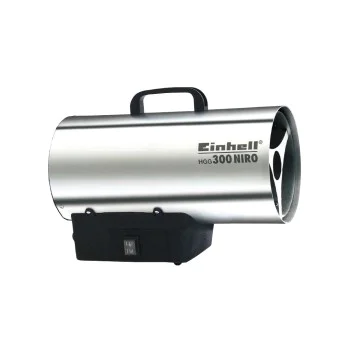
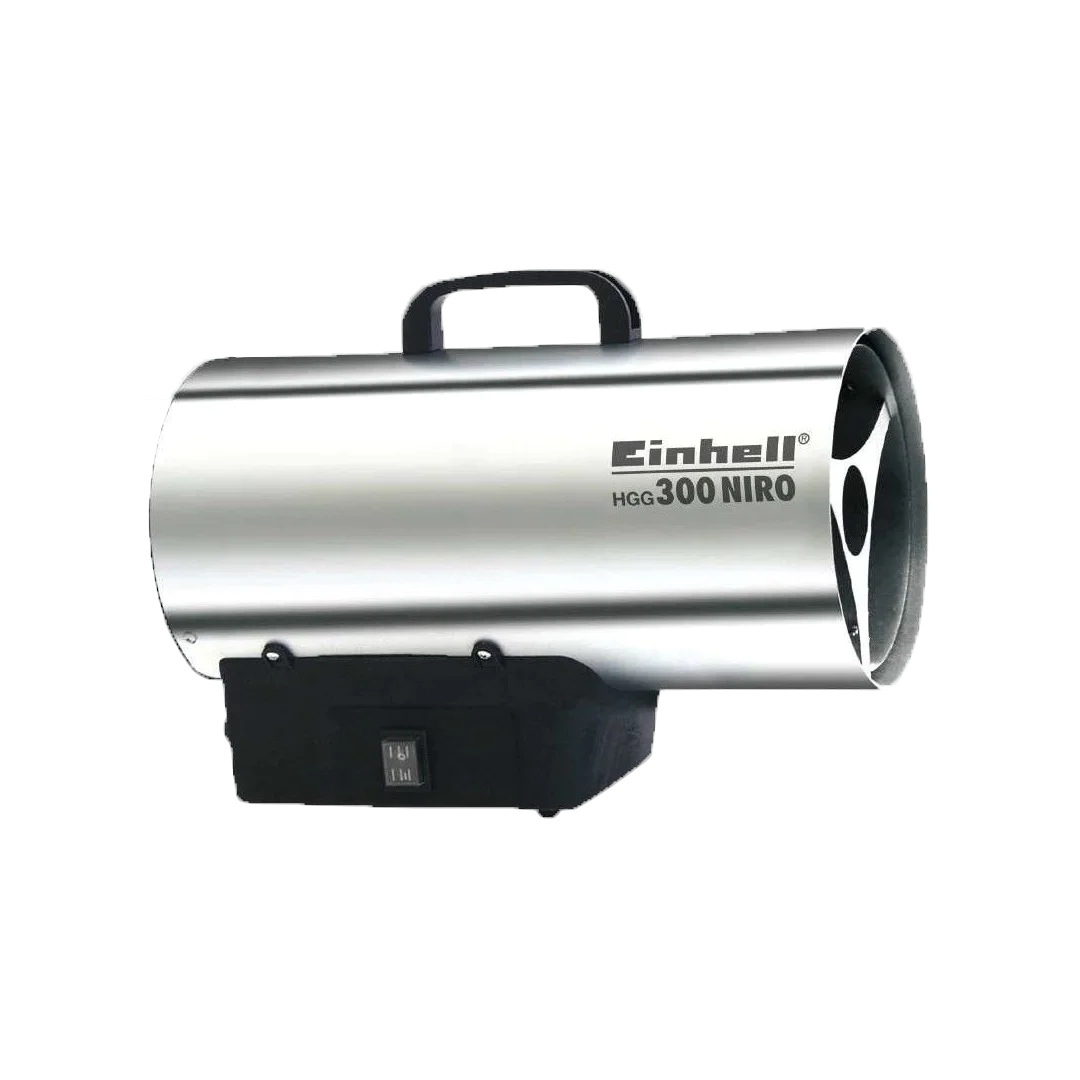
Gas stoves
Gas heaters for practical heating in the home, workshop, and outdoors
Gas heaters are heating devices designed to quickly warm up rooms, temporary work areas, garages, service bays, vacation homes, warehouses, patios, and outdoor spaces. They run on gas and are valued for their portability, relatively easy setup, and ability to provide heat where electric heating is impractical or lacks the necessary power. In this section, you will find models for residential and professional use, including propane stoves, infrared solutions, catalytic heaters, and more compact options for seasonal use.
When choosing a gas heater, it is important to consider the heating area, ventilation method, working environment, type of gas cylinder, and required mobility. For indoor spaces, look for units with smooth power adjustment and user-friendly controls, while for workshops and construction sites, more powerful models with a sturdy frame and easy portability are often preferred. For patios, porches, and outdoor areas, a stable base, tip-over protection, and proper heat distribution are important.
What gas heaters include and where they are used
Gas heaters can be used as a primary or supplementary heat source depending on the space and work requirements. They are practical for renovation projects, seasonal heating of work areas, maintaining garages and warehouses, heating vacation homes without a permanent power supply, as well as for outdoor activities in cold weather. Some models are designed for more uniform radiant heating, while others provide more intense heating in a specific direction.
Infrared gas heaters emit heat through heated ceramic panels or burners and are ideal for areas where a quick sense of warmth is desired. Catalytic models operate with gentler heat output and are preferred for a more peaceful environment. Portable gas heaters are mobile and easy to position when there is sufficient open space and good ventilation. Outdoor gas heaters are designed for patios, gardens, restaurants, and patios, where heating needs to cover a more open area.
Key differences between models
Models differ in power, construction, ignition method, number of heat settings, compatibility with gas cylinders, presence of wheels, regulator, hose, safety systems, and dimensions. For some units, the focus is on compact size and easy storage after the season; for others, it is on a larger heating area and stable operation during prolonged use.
| Type of gas heater | Application | Practical features |
|---|---|---|
| Infrared gas heater | Home, garage, workspace | Rapid targeted heating, power settings, compact design |
| Catalytic gas heater | Rooms with moderate heating needs | Gentler heat output, quiet operation, suitable for seasonal heating |
| Cylinder gas heater | Cottage, storage room, workshop | Portability, easy to move, requires a proper regulator and hose |
| Outdoor gas heater | Patio, yard, shed | Heats open areas, requires stable positioning and wind protection |
Choosing a gas heater based on power, area, and environment
Power is the leading criterion in selection. Smaller rooms and temporary work areas do not require an overly powerful unit, as excess heat reduces comfort and increases fuel consumption. For larger rooms, garages, or open spaces, a model with higher power and a stable heat output is needed. It is helpful to consider whether the heater will be moved frequently, how much space is available around it, and whether it will be used primarily indoors or outdoors.
For rooms with furniture, appliances, or materials, a heater with well-protected heating elements, clear temperature settings, and a stable base is recommended. For workshops, the housing, ease of cleaning, and durability for daily use are important. For outdoor areas, look for models with the right height, a wide base, and a design that directs heat toward people rather than toward the ceiling or side walls.
- Heating area: match the heater's power to the room's size and insulation.
- Fuel type and cylinder: check compatibility with propane-butane, regulator, hose, and connections.
- Mobility: wheels, handles, and compact dimensions make it easy to move.
- Controls: Multiple settings provide more precise control over temperature and gas consumption.
- Operating environment: indoor and outdoor conditions require different designs and placement.
Compatibility, Accessories, and Maintenance
The gas stove must be used with a properly selected regulator, hose, and connections. When replacing accessories, it is advisable to adhere to the dimensions and pressure specified by the appliance manufacturer. The hose must not be kinked, pinched, or placed near hot parts. Regular visual inspection of the connections, housing, and burner reduces the risk of malfunctions and extends the appliance's lifespan.
Cleaning should be performed after the stove has cooled down. Dust on the grates, ceramic panels, and air vents impairs the burner's normal operation. When storing the appliance seasonally, keep it in a dry place, away from harsh chemicals, moisture, and physical impact. Keep the gas cylinder upright and transport it in accordance with applicable safety regulations.
Safety When Using Gas Stoves
Safe operation begins with proper placement. The stove must stand on a stable surface, away from curtains, furniture, wooden surfaces, paper, paints, solvents, and other flammable materials. The room should be ventilated regularly, and the appliance should not be left unattended while in use. For indoor use, safety features such as flame failure shut-off, low-oxygen protection, and tilt shut-off are valuable, provided the specific model is equipped with these systems.
Gas stoves should not be covered, moved while in use, or used to dry clothes and materials. After heating is complete, the gas supply should be shut off at the cylinder, and the appliance should be allowed to cool down. If you smell gas, shut off the supply, ventilate the area, and do not turn on any electrical switches or open flames.
Gas heaters for professional and home use at Toolsbox.bg
Choosing the right gas heater makes heating easier during the cold months and makes working in a garage, workshop, warehouse, or yard more comfortable. Browse the selection at Toolsbox.bg and compare models by power, size, fuel type, accessories, and safety features to choose a unit that suits your workspace and intended use.