
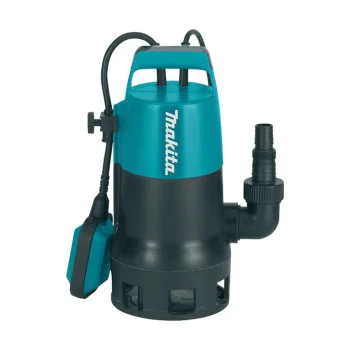
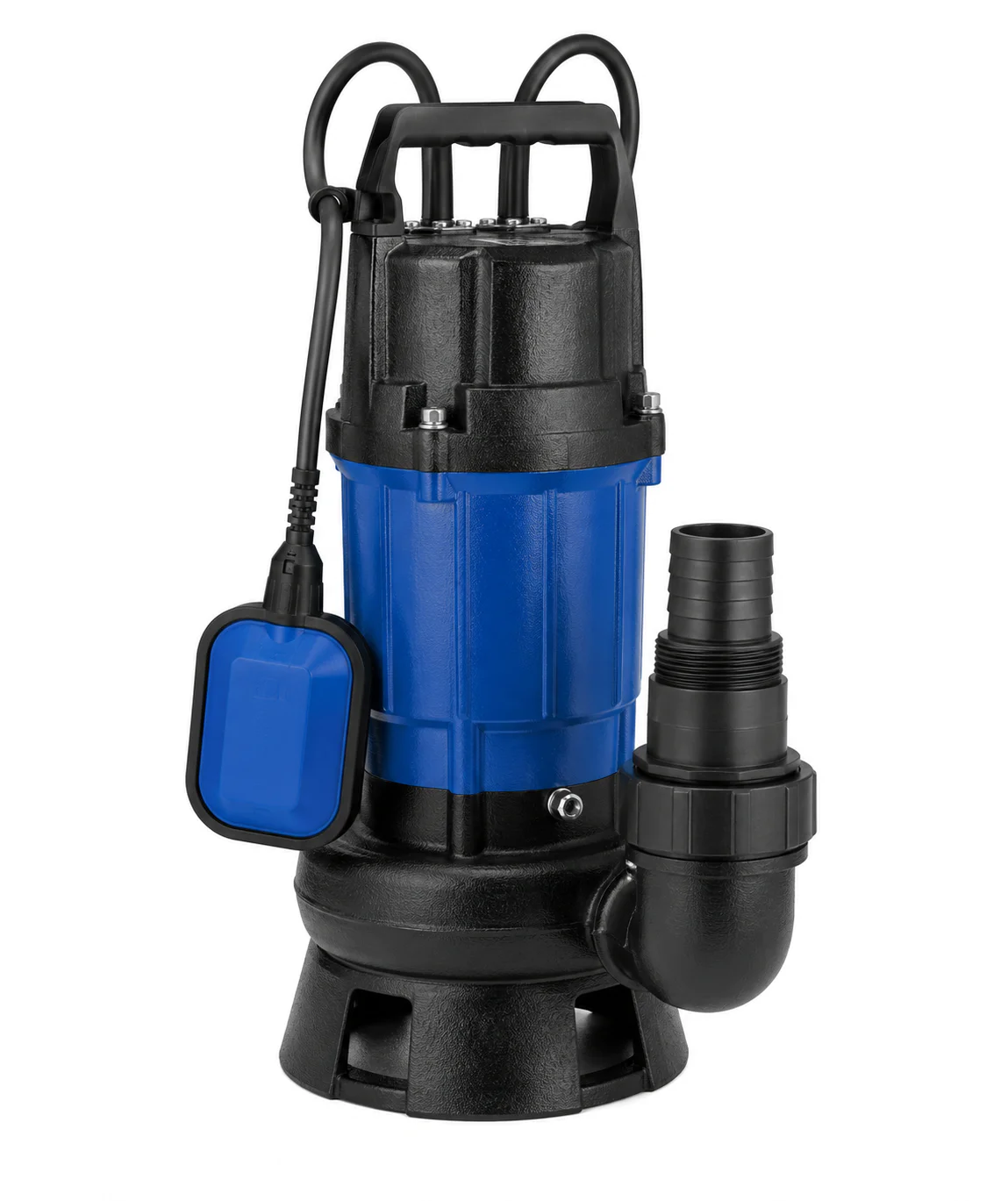
Fecal pump
Sewage Pump for Wastewater and Sewer Water
A sewage pump is designed to remove heavily contaminated water from septic tanks, manholes, basements, sanitary facilities, construction excavations, and other locations where the liquid contains sludge, soft organic particles, or larger impurities. These types of water pumps are in demand for emergency drainage, periodic property maintenance, repair work, and servicing sites without direct sewer connections. A well-chosen sewage pump saves time, reduces manual labor, and facilitates the controlled transfer of wastewater to a suitable discharge point.
This group includes submersible sewage pumps, float-controlled models, pumps with a cutting mechanism, drainage-sewage variants, and machines for more intensive professional use. The differences between them lie in power, flow rate, head, permissible particle size, housing type, connection port, and control method. For home use, a compact machine is often sought for seasonal maintenance of a yard, basement, or sump pit, while in construction, service, and municipal work, the durability of the hydraulic components, higher flow rate, and stable performance under load are of greater importance.
Main applications of sewage pumps
A sewage pump is used where a standard drainage pump is insufficient due to the presence of waste particles. It handles wastewater from residential and service areas, discharging the liquid through a hose or pipe connection. In models with a suitable passage through the impeller, the machine transports water with sludge and soft inclusions without clogging quickly. Pumps with a cutter or shredding mechanism are designed for more difficult wastewater where there are fibrous impurities and a risk of clogging.
In practice, sewage pumps are used for cleaning septic tanks and reservoirs, pumping out sewer manholes, drainage after flooding, servicing temporary sanitary facilities, emptying collection containers, and transferring water during repairs. For construction sites, models with a more robust housing, a stable base, and a convenient carrying handle are valuable. For yards and homes, compact models with a float switch are more convenient, as they turn on and off automatically when the water level changes.
Types of Sewage Pumps by Design
The submersible sewage pump is placed directly in the sump or container with liquid. The motor and hydraulic components are housed in a single casing, and cooling is aided by the surrounding water. These models are suitable for deep sumps and hard-to-reach locations, as they operate below the liquid level and do not require a suction hose. At lower levels, the minimum operating depth must be monitored to prevent the pump from running dry.
A float-activated sewage pump is a good option for collection pits where the water level fluctuates. The float activates the pump when the water reaches a set height and stops it when the water level drops. This minimizes the risk of overheating and unnecessary operation. Models with a cutting blade are chosen for heavier wastewater because they shred some of the soft impurities before they pass through the impeller. Drainage-sewage pumps are an intermediate option for heavily contaminated water, but without large solid waste.
| Pump Type | Typical use | Characteristics |
|---|---|---|
| Submersible sewage | Pits, septic tanks, basements | Operates underwater, suitable for deeper containers |
| With float | Collection tanks and manholes | Automatic start and stop based on level |
| With cutting mechanism | Wastewater with fibrous impurities | Shreds soft inclusions and reduces clogging |
| Drainage and sewage | Wastewater with sludge | For lighter sewer and drainage tasks |
How to choose the right sewage pump
When buying a sewage pump, compare several key parameters. Flow rate indicates how much water passes through in a given time and is important for large manholes or emergency drainage. Head indicates the height or distance the machine can transfer the liquid. If the water needs to be pumped upward into a sewer or through a long hose, a model with sufficient head is required.
The next parameter is the permissible particle size. For water with sediment, a larger passage is needed, and for fibrous impurities, it is advisable to look for a model with a cutting mechanism. Also check the outlet diameter, as it must match the hose, pipe, or adapter you will be using. Cable length, weight, handle, housing material, and the presence of thermal protection also affect the convenience of operation and transport of the machine.
- For homes and yards: a compact sewage pump with a float switch, moderate flow rate, and easy hose connection.
- For septic tanks: a model with a larger passage through the hydraulic section or a cutting mechanism for heavier contamination.
- For construction sites: a more powerful machine with a cast iron or stainless steel housing and a stable base.
- For emergency drainage: higher flow rate, comfortable handle, and quick connection to an existing hose.
Materials, compatibility, and accessories
The sewage pump's housing affects its weight, stability during operation, and protection of internal components. Cast iron housings are preferred for heavier-duty tasks and professional use. Stainless steel is practical in wet environments and with regular maintenance. Plastic housings reduce weight and are suitable for occasional home use. The impeller, seals, and shaft are also important, especially when dealing with water containing abrasive particles.
Sewage pumps are often equipped with hoses, clamps, quick-connect fittings, adapters, check valves, and electrical extension cords with the necessary protection. Compatibility between the outlet and the hose prevents flow loss and disconnection under pressure. For permanent installation, it is recommended that the pipe connection be securely fastened and that the pump be placed on a level surface to prevent it from sucking up too much sediment from the bottom.
Safe Operation and Maintenance
A sewage pump operates in an environment with water and electricity, so safety is of the utmost importance. The power supply must be protected, the cable must be undamaged, and the plug must be kept away from water. Do not lift the machine by the cable or allow it to run dry. Always turn off the power before cleaning or moving the unit. Working with wastewater requires gloves, safety shoes, and careful handling of the hoses.
Regular maintenance extends the machine's service life. After use, rinse the housing and inlet screen with clean water, remove any buildup from the float, and inspect the impeller for fibers and solid debris. For seasonal storage, the pump should be dried and protected from freezing. This ensures the sewage pump remains ready for the next use, whether for property maintenance, repairs, or a professional job.
At Toolsbox.bg, you can choose a sewage pump based on flow rate, head, construction, connection type, and operating mode. Compare the models, match them to the specific manhole, septic tank, or site, and select a machine that meets the load and operating conditions.