
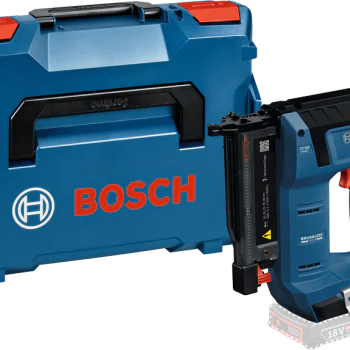
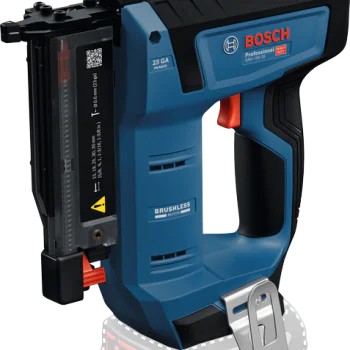
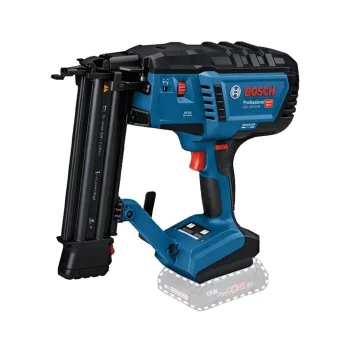
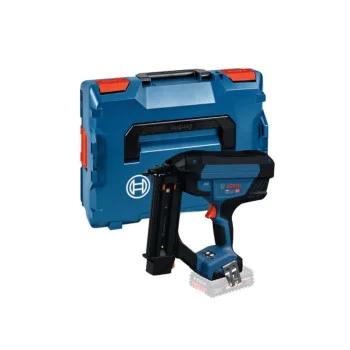
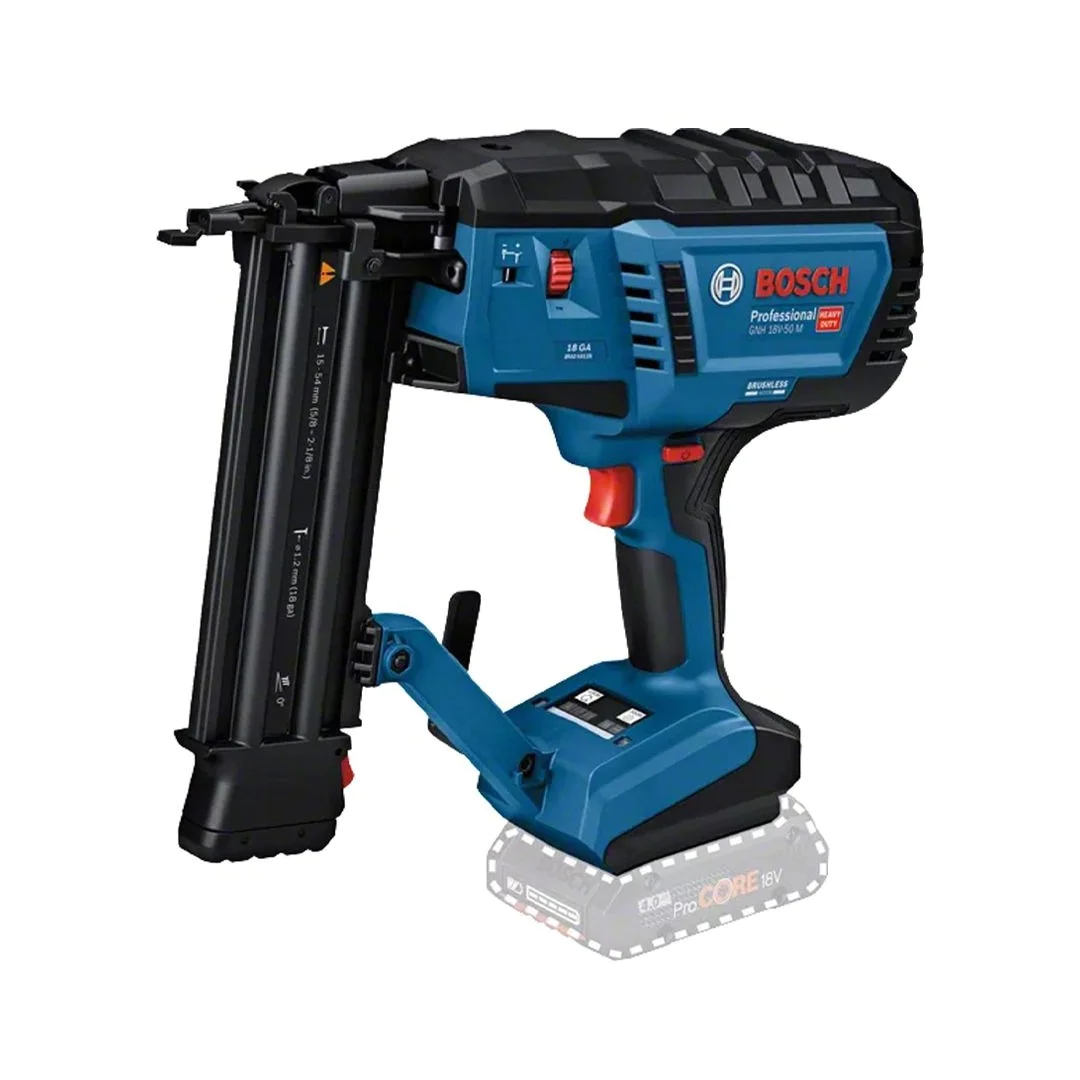
Nail gun
Nail gun for fast and precise installation
A nail gun is a pneumatic tool for driving nails into wood, panels, wainscoting, battens, frames, pallets, and various mounting elements. It operates using compressed air from a compressor and replaces manual hammering in repetitive tasks where consistent force, a clean finish, and a higher work rate are required. This tool is valuable in carpentry, furniture manufacturing, construction finishing, repairs, and workshop equipment.
A properly selected nail gun saves effort, reduces fatigue during prolonged installation, and helps ensure consistent driving depth. Pneumatic models are preferred for intensive use because they offer good performance, relatively low weight, and stable operation when paired with a properly sized compressor. Different models vary in nail type, fastener length, magazine capacity, operating pressure, weight, grip, and impact setting.
Applications in construction, repair, and woodworking
A nail gun is used for assembling wooden structures, securing decorative trim, installing siding, making crates and pallets, repairing fences, and working with casings, baseboards, and furniture components. For finishing tasks, the tool leaves a small hole and facilitates subsequent caulking or painting. For rougher installations, greater impact force and compatibility with longer nails are required.
For professional use, the firing rate, ease of changing fasteners, and the durability of the housing during daily use are important. For home use, ease of adjustment, low weight, and compatibility with an existing compressor are more important. When working in a service shop or small workshop, compact models facilitate access to tight spaces and allow for control during precise assembly.
Types of nail guns and differences between models
When choosing, it matters what type of fasteners will be used and what the task is. Fine nail guns work with thin nails for trim, paneling, and decorative details. Models for heavier-duty fasteners are used for frames, wooden structures, and assembling thicker elements. Some machines feature depth adjustment, a protective tip to prevent marks on the material, and side or bottom magazine loading.
| Tool type | Typical tasks | What to check |
|---|---|---|
| Finishing nail gun | Skirting boards, moldings, cladding, furniture components | Thickness and length of nails, mark on the material |
| Nailer for wooden structures | Frames, battens, crates, pallets, rough installation | Working pressure, impact force, magazine capacity |
| Combination model for nails and staples | Repair work, upholstery, light assembly | Compatible fasteners, loading method, settings |
Criteria for selecting a pneumatic nailer
When selecting a nail gun, first check compatibility with the fasteners. Manufacturers specify the length, thickness, head shape, and alignment angle of the nails. Incorrect fasteners can cause jamming, incomplete driving, or damage to the magazine. Next, check the operating pressure and air consumption to ensure the tool, hose, and compressor are properly matched.
Weight and balance affect comfort when working overhead, on vertical surfaces, or during a series of repetitive operations. An ergonomic handle, a trigger with good control, and easy access to the tool's nose are beneficial during prolonged installation. Depth adjustment provides more precise results with varying wood hardness and different element thicknesses.
- Fastener type: nails, finishing nails, or a combination with staples.
- Nail length: selected according to the thickness of the material and the required strength of the joint.
- Operating pressure: must match the compressor's specifications.
- Magazine: a larger capacity is convenient for continuous work, while the compact body helps in tight spaces.
- Settings: depth control, jam release, and surface protection.
Compatibility with compressor, hoses, and consumables
A nail gun works properly only with the correct air line. The compressor must maintain the required pressure and sufficient air flow for the work cycle. Long hoses or unsuitable quick-connect fittings result in pressure loss, which affects driving force. For cleaner operation and longer tool life, a moisture trap, filter, and lubrication are used when the application requires it.
Consumables are just as important as the machine itself. Nails must be the correct size, properly aligned, and free of deformation. For outdoor applications, look for fasteners with a corrosion-resistant coating, and for visible decorative details, choose fine nails with a small head. When working with harder wood, select a model with sufficient impact force and precise adjustment to prevent the material from splitting.
Safe Operation and Maintenance
A nail gun operates with high impact force and requires careful handling. Wearing safety goggles is a mandatory part of the work process, as wood particles or metal fasteners may fly off during nailing. The tool should be aimed only at the workpiece, and nail replacement and cleaning should be performed after disconnecting from the air line.
Regular cleaning of the muzzle, magazine, and air lines reduces jams and extends the tool's service life. Maintaining reliable performance requires proper storage, protection from moisture, and periodic inspection of seals, the trigger, safety, and hoses. For heavy-duty use, it's wise to keep spare seals, air tool oil, and the right nails for the job on hand.
Choose the right tool for your job
Toolsbox.bg offers a selection of pneumatic solutions for installation, repair, woodworking, and workshop use. Compare specifications, fastener types, the required compressor, and ease of use to select a nail gun that meets your needs and the workload in your service shop, job site, or home workshop.