
Shutters
Measuring tapes for construction, renovation, and workshop use
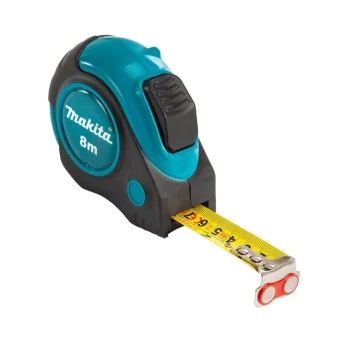
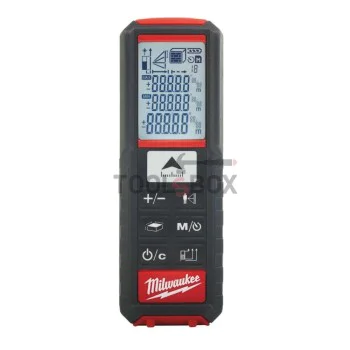
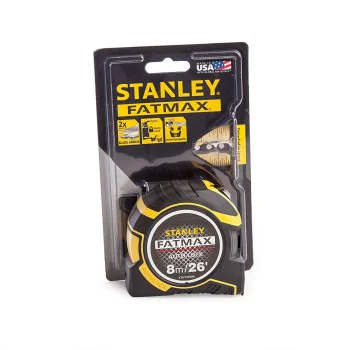
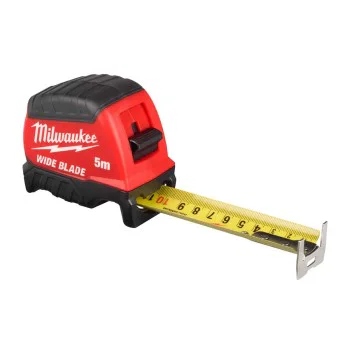
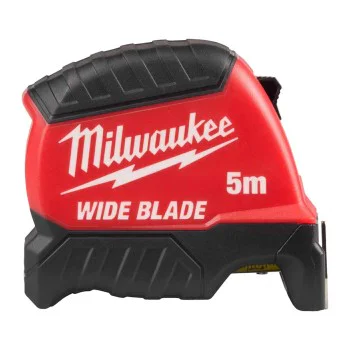
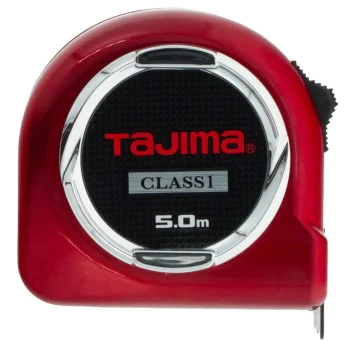
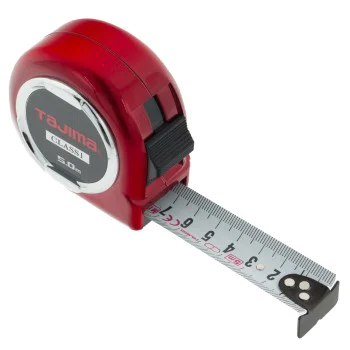
Tape measures are indispensable measuring tools for sizing, cutting, installation, finishing work, and daily workshop tasks. They help quickly measure lengths, heights, and distances when working with wood, metal, drywall, furniture, plumbing, flooring, fencing, and various repair tasks. Toolsbox.bg offers models for professional and home use, with various lengths, casings, locking mechanisms, and types of measuring tape.
A good tape measure saves time, reduces marking errors, and makes work easier for craftsmen, installers, builders, technicians, carpenters, and discerning DIYers. When choosing, consider not only the length but also the readability of the scale, the stability of the tape when extended, ease of retraction, the durability of the casing, and how it attaches to a belt or work clothing.
What Do Measuring Tapes for Work and Measurement Include
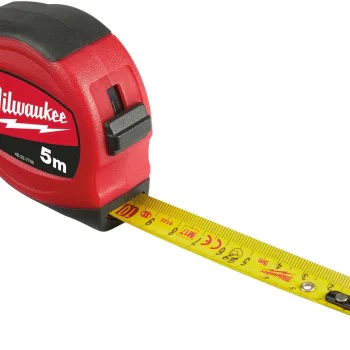
Tape measures vary in purpose and construction. Compact pocket models are convenient for quick measurements at home, when assembling furniture, installing shelves, checking openings, and making minor repairs. Heavier-duty construction tape measures are designed for demanding daily use, where the casing, tape, and locking mechanism are subjected to frequent unfolding, drops, dust, and contact with rough surfaces.
Long measuring tapes are used for outdoor work, marking out sites, fences, pavements, playgrounds, and larger construction sites. Some of them feature an open or closed casing and a crank for retraction, and the tape on such models is often made of steel or fiberglass. For standard construction tape measures, the most common type features a steel tape with a metric scale and a spring-loaded retraction mechanism.
Differences Between Models
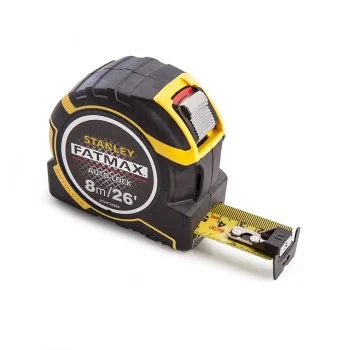
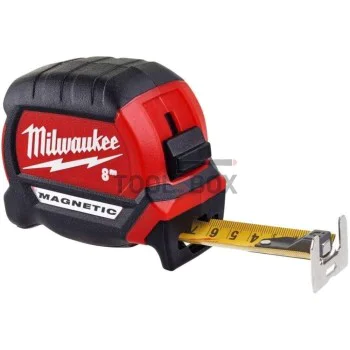
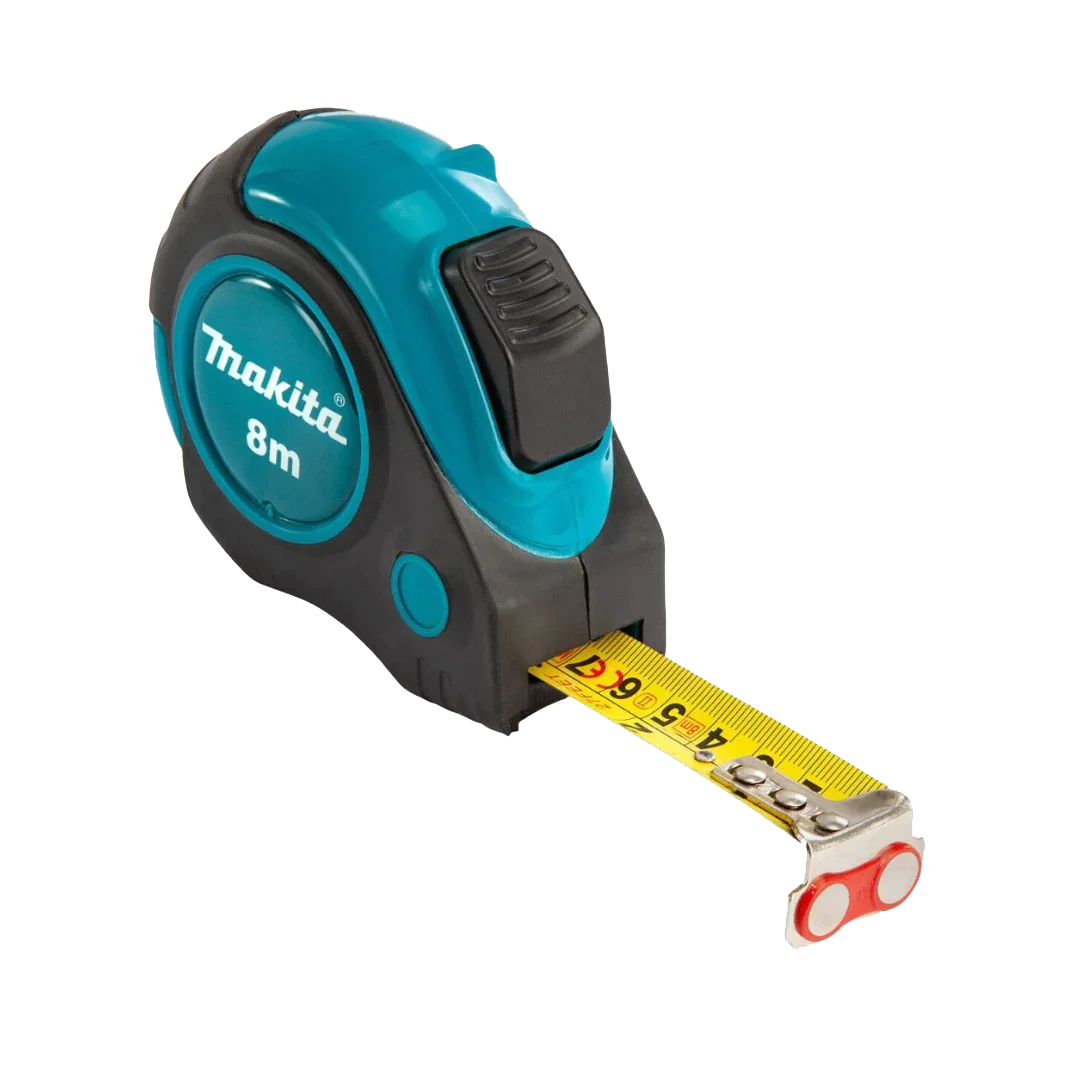
Measuring tapes have several features that directly affect ease of use and accuracy. The length determines the measurement range, the tape width affects stability when extended horizontally, and the casing protects the mechanism from impact and dirt. The stop button locks the tape in place during reading, and the magnetic tip facilitates measurement on metal profiles, pipes, structures, and machines.
| Type of tape measure | Application | Key features |
|---|---|---|
| Compact tape measure | Home repairs, furniture, small installations | Lightweight, easy to carry, with a short to medium tape |
| Construction tape measure | Construction sites, workshops, installation teams | More durable casing, clear scale, secure locking |
| Long measuring tape | Landscapes, fences, paving, outdoor measurements | Longer range, manual retraction, steel or fiberglass tape |
Applications in construction, renovation, and installation
Tape measures are used in almost every task where precise measurements directly affect the final result. In construction, they are needed for marking openings, checking distances, and positioning profiles, panels, insulation, and formwork elements. In finishing work, they assist with installing tiles, laminate flooring, baseboards, doors, windows, light fixtures, and decorative elements.
In a workshop, the tape measure is part of the daily equipment used for cutting materials, adjusting machines, checking details, and inspecting finished products. In maintenance and installation work, it facilitates the arrangement of cable runs, pipes, ducts, fasteners, and support structures. For outdoor work, longer models provide more convenient measurement of yard areas, walkways, fences, sheds, and temporary structures.
How to choose a tape measure based on the task
Selection starts with the scope of work. For home measurements and light repair work, a tape measure with a shorter length and a compact body is often sufficient. For construction and installation tasks, a longer tape, a sturdy body, and a mechanism that holds the tape securely during reading are more practical. For measuring long distances outdoors, look for long tapes with a comfortable handle and smooth retraction.
The tape width is important when one person is taking measurements. A wider tape lies more stably when extended and is less likely to kink, which makes it easier to work on walls, floors, ceilings, and profiles. Clear markings reduce strain when reading measurements, and the dual-sided scale, available on some models, helps with overhead measurements or in awkward positions.
- Tape length: Choose based on the typical measurements you take every day.
- Housing: rubberized or reinforced housings are more comfortable for use on-site and in the workshop.
- Lock mechanism: A good lock keeps the tape stable during marking.
- Tip: A magnetic hook is useful for metal structures, profiles, and machinery.
- Scale: Clear numbers and high-contrast markings facilitate accurate readings in low light.
Materials, accuracy, and ease of use
The measuring tape on standard tape measures is usually made of metal, with a coating for better wear resistance. When working extensively on rough materials, masonry, concrete, or metal edges, the coating and thickness of the tape directly affect its long-term durability. The casing protects the spring and retraction mechanism, so sturdy construction and a comfortable grip are important for daily use.
Accuracy depends on a clearly marked scale, a properly secured starting tip, and good control when tensioning the tape. For precision installation work, it is advisable to check the accuracy class, if specified by the manufacturer. For rough measurements on a construction site, durability and the visibility of the markings are key, while for furniture assembly and detailed work, easier reading of the millimeter scale is preferred.
Maintenance and Safe Use of Tape Measures
A tape measure lasts longer when the tape is retracted in a controlled manner, without sudden releases. After working in a dusty or damp environment, it is helpful to wipe the tape clean before retracting it into the casing. This limits dust buildup in the mechanism and protects the markings. When working near sharp metal edges, it is advisable not to bend the tape sharply, as this impairs straightness and accuracy.
When measuring overhead, near machinery, or on tall structures, the tape measure must be held steady, and the tape should not retract uncontrollably toward the hand. For models with a magnetic tip, keep the contact area clean to ensure a secure grip on the metal surface. Proper care preserves the readability of the scale, the function of the stop button, and smooth retraction.
Tape Measures for Professionals and DIY Enthusiasts
At Toolsbox.bg, you'll find tape measures for various measuring tasks-from compact models for home repairs to more durable options for construction, installation, and workshop use. Compare tape length, width, casing type, tip, and locking mechanism to select a tool that fits your workflow. Browse our selection and equip your toolbox or workspace with a tape measure that makes precise measuring easier every day.