
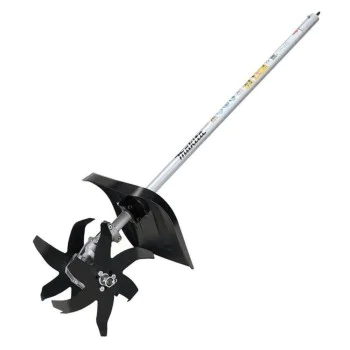
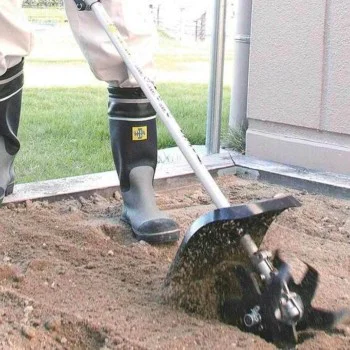
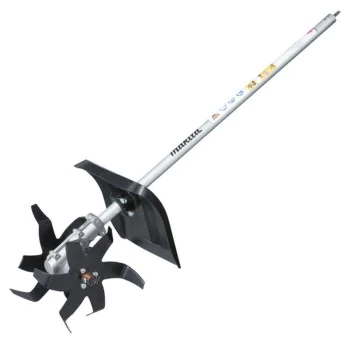
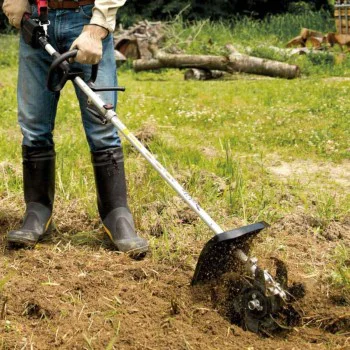
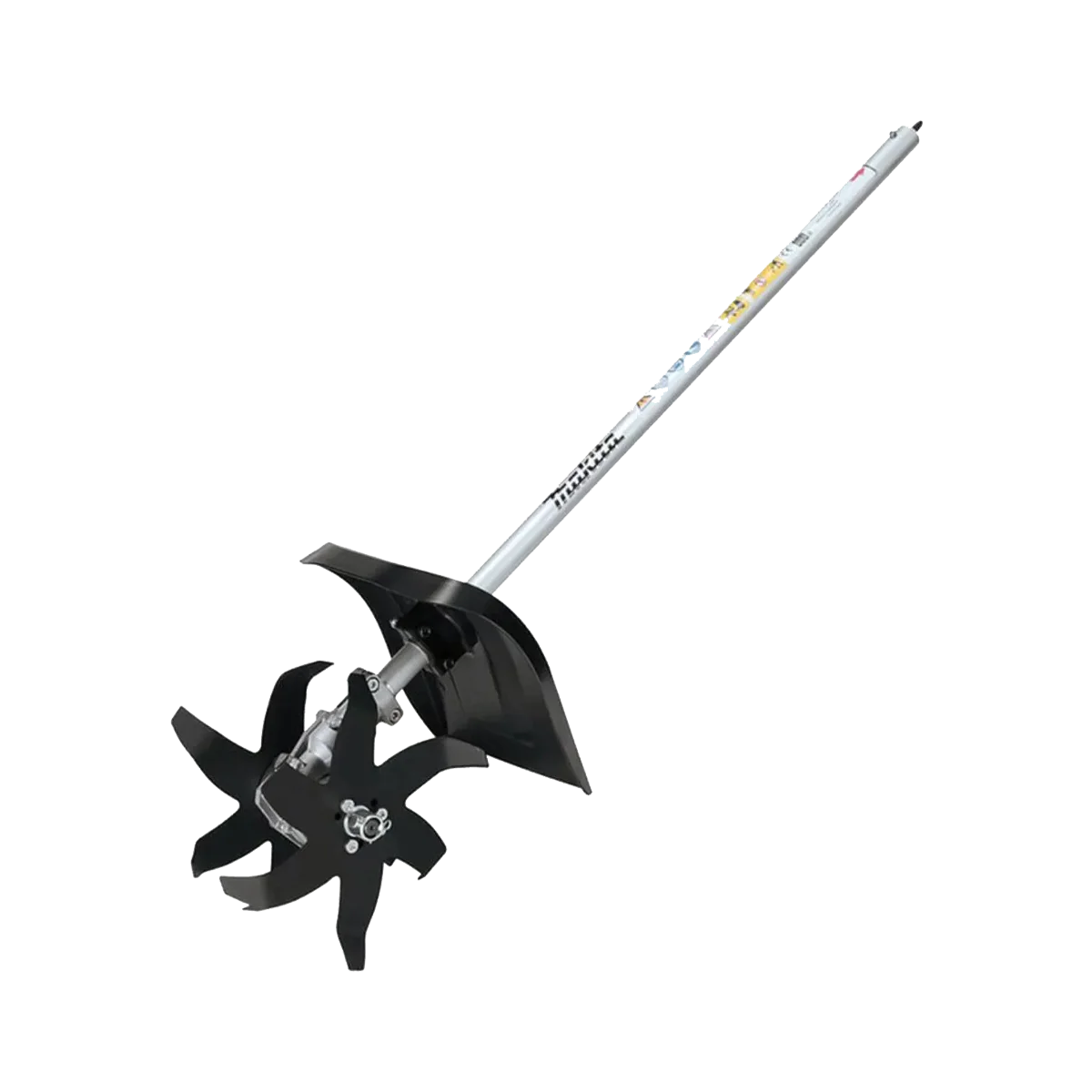
Motor cultivators
Rotary tillers for tilling soil in gardens and yards
Rotary tillers are garden tools used for loosening, tilling, and preparing the soil before planting. They save you from heavy manual labor when working on garden beds, vegetable gardens, small agricultural plots, greenhouses, and backyard areas. With the right rotary tiller, the soil is broken up more evenly, weeds are controlled more easily, and mixing in fertilizer, compost, or soil amendments becomes faster and more precise.
In gardening, these machines occupy a niche between hand tools and larger agricultural equipment. They are valuable for owners of yards, vineyards, orchards, and vegetable plots, but they are also used for professional landscape maintenance. The various models differ in drive type, power, working width, working depth, weight, number of tiller blades, controls, and options for additional equipment.
What do motor cultivators include and what tasks are they used for
The motor cultivator works the topsoil using rotating tiller blades. As it moves across the ground, the blades break up clumps, loosen the soil, and prepare a bed for seeds or seedlings. This is useful for spring garden preparation, fall tilling, refreshing row spaces, removing surface vegetation, and maintaining cultivated areas.
The more compact electric tiller are suitable for small and medium-sized gardens, greenhouses, and areas with lighter soil. They operate quietly, start easily, and require less maintenance. Gas-powered rotary tillers are preferred for larger areas, heavier soil, and work in locations without electrical power. They offer greater autonomy and higher tilling power, which is valuable on clayey, compacted, or long-uncultivated terrain.
Typical applications
- Preparing beds for vegetables, flowers, herbs, and seedlings.
- Loosening compacted soil after winter, watering, or trampling.
- Mixing manure and compost into the topsoil.
- Inter-row cultivation for vegetable crops, vineyards, and small plantings.
- Removing young weeds and preparing the ground for new planting.
- Maintaining yard areas before landscaping, sowing grass, or shaping garden areas.
Types of rotary tillers based on drive type and operation
When choosing a machine, the type of drive has a direct impact on convenience, power, and the work area. Electric models are suitable for regular maintenance of smaller areas near a power source. They are lightweight, maneuverable, and easy to store. However, the power cord limits the working radius and requires caution when moving around flower beds, plants, and obstacles.
Gas-powered rotary tillers have a self-contained engine and are not tied to an electrical outlet. They handle deeper tilling, wider areas, and harder soil better. Key factors for these include engine power, fuel tank capacity, starting type, gear ratios, frame stability, and access to maintenance components. Some models allow for use with additional attachments, depending on design and compatibility.
Based on weight and size, motor cultivators can be light, medium, or heavy-duty. The light models are easy to maneuver and practical for tight spaces. The medium models offer a good balance between maneuverability and power. Heavier machines penetrate the soil more firmly and are designed for heavier-duty work, but require more space for maneuvering and transport.
Factors to Consider When Buying a Motorized Cultivator
The right choice starts with the actual area, soil type, and tasks for the season. A small vegetable garden doesn't require the same machine as a large yard with clay soil. For sandy and light soils, a more compact machine is sufficient, while heavy soils require higher power, a more stable weight, and sturdy tiller blades.
- Working width-a wider width speeds up tilling open areas, while a narrower width makes it easier to work between rows and in greenhouses.
- Working depth-deeper tilling is needed for initial preparation, while shallow tilling is suitable for maintenance and removing young weeds.
- Power-higher power helps with compacted soil, root systems, and prolonged workloads.
- Weight and balance-lighter machines are easier to maneuver, while heavier ones offer more stable performance during deep tilling.
- Tiller blades-the number, shape, and material affect soil fragmentation and wear in rocky areas.
- Controls - an adjustable handle, comfortable levers, and good visibility of the work area reduce fatigue.
- Transport and storage-a folding handle, transport wheel, and compact dimensions make it easy to move and store after the season.
Compatibility, Accessories, and Consumables
Some motor cultivators work only with tiller blades, while others can accommodate additional attachments. Such accessories may include a hiller, plow, metal wheels, tiller extensions, or transport components. Compatibility is determined by the machine's design, mounting, power, and the manufacturer's instructions. When selecting an accessory, it is wise to compare the machine model, shaft diameter, mounting type, and the attachment's intended use.
Consumables and spare parts are important for the long service life of the equipment. For gasoline-powered machines, pay attention to the engine oil, air filter, spark plug, belts, and the condition of the tiller blades. For electric models, the focus is on the power cord, the housing protection, the blades, and the cleanliness around the drive shaft. Regular cleaning after use prevents the buildup of wet soil and plant debris.
Safe Operation and Maintenance
Rotary tillers operate with rotating blades, so a stable footing, sturdy shoes, gloves, and safety goggles are essential parts of your work attire. Areas with rocks, wire, branches, and other hard objects should be cleared beforehand, as foreign objects can damage the blades or be thrown out during operation. The machine should be operated at a moderate speed, without sudden movements or pressure that overloads the engine.
After finishing the work, the cutters are cleaned, the fasteners are inspected, and the machine is stored in a dry place. For gasoline-powered rotary tillers, seasonal maintenance includes caring for the fuel system, checking the oil level, and cleaning the filters. This ensures the machine maintains good performance and is ready for the next gardening session.
Choosing a tiller from Toolsbox.bg
At Toolsbox.bg, you can find motor cultivators for various yard and garden tasks-from light maintenance of garden beds to more serious soil preparation. Compare the drive type, working width, power, weight, and attachment options to find a machine that suits your area, soil type, and frequency of use. Taking a careful approach to assessing your terrain helps ensure you get comfortable, stable, and durable garden equipment.