
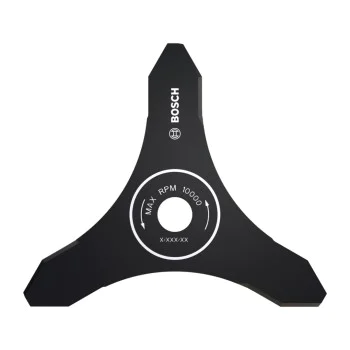
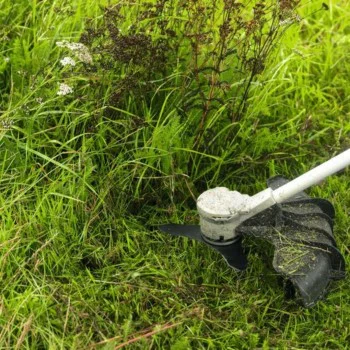
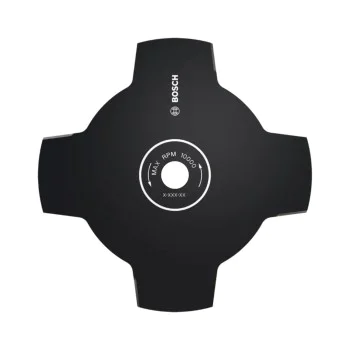
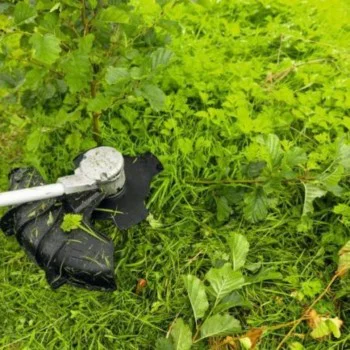
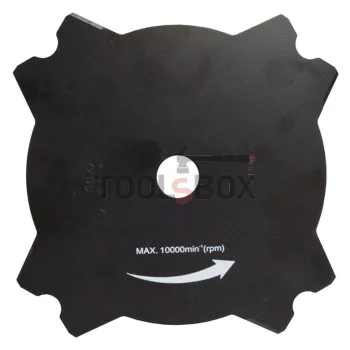
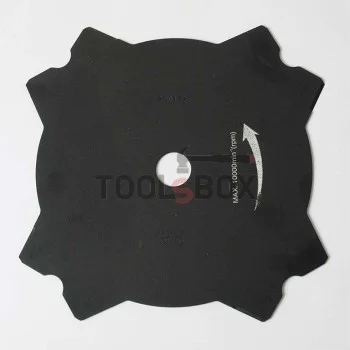
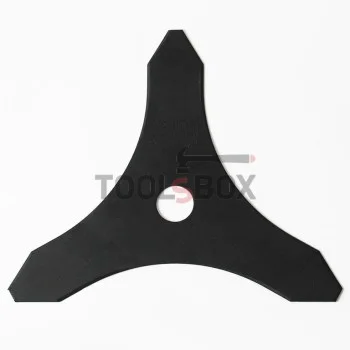
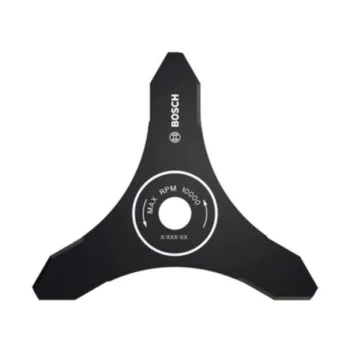
-350x350.jpg.webp "Mower disc Bosch PRO 25 cm set 3 tines F016800663")
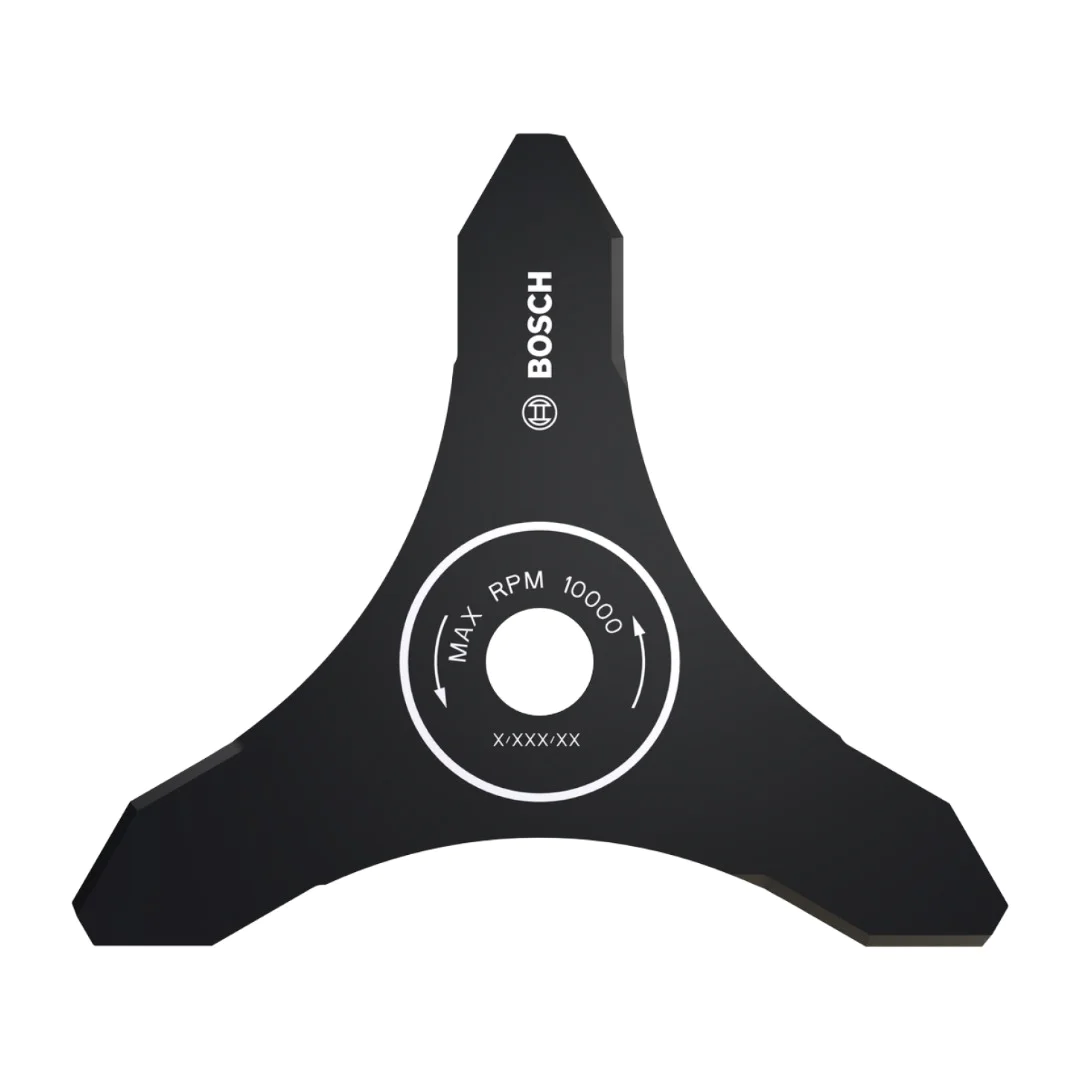
Grass cutting disc
Grass-cutting blade for trimmers, brush cutters, and brush trimmers
A grass cutting blade is a cutting accessory designed for use with denser vegetation, tough grass, weeds, and areas where the string wears out quickly or does not cut cleanly enough. These blades are designed for compatible trimmers, brush cutters, and brush trimmers and are a practical choice for maintaining yards, orchards, vacation homes, roadside areas, service areas, and grassy areas around fences, buildings, and farm structures.
The metal blade provides a more stable cut through dense vegetation and allows for more even performance on difficult terrain. At Toolsbox.bg, you'll find models with different diameters, center holes, cutting edge shapes, and numbers of teeth, so you can match the accessory to your machine and the task at hand. A properly selected blade reduces the strain on the operator, protects the machine's transmission, and helps you finish mowing faster.
When is a metal blade a better choice than a trimmer line
The string trimmer is convenient for soft grass and finishing work around curbs, trees, and decorative elements. However, for tough stems, tall weeds, dry vegetation, or tangled grass, the mowing blade provides a more controlled cut and fewer interruptions. It is useful for clearing areas after a long period of neglect, for seasonal yard cleanup, and for working on larger areas where the string would wear out too quickly.
The blade is not intended for cutting stones, metal, concrete, or hard construction debris. On terrain with many hidden obstacles, work should be performed carefully, with the machine's safety guard in place and personal protective equipment worn. This reduces the risk of kickback, blade deformation, and damage to the cutting mechanism.
Types of Grass Cutting Blades
The differences between the various models are most evident in the geometry of the blades, the number of teeth, and the material. Each type has its own application and is selected based on the vegetation, the machine's power, and the frequency of use.
| Blade type | Application | Features |
|---|---|---|
| Disc with 2, 3, or 4 blades | Tall grass, weeds, soft stems | Fast cutting and easy cleanup after use |
| Multi-tooth blade | Dense dry grass, tougher vegetation, small shrubs | Finer cut and greater contact with the material |
| Disc with carbide-tipped blades | Heavier-duty work with tough stems and woody vegetation | Longer cutting edge life with proper use |
For standard garden maintenance, a blade with several wide teeth is often chosen. For denser and drier vegetation, multi-tooth models provide a more even cut. For heavier tasks with a brush cutter, blades with more durable cutting elements are used, provided the machine accommodates such a blade.
How to choose a blade for grass cutting
Compatibility with the machine is paramount. The blade must meet the specifications listed for the specific trimmer, brush cutter, or brush cutter. An incorrect diameter, an unsuitable center hole, or an overly heavy blade puts a strain on the gearbox and compromises safety.
- Blade diameter: a larger diameter covers more area but requires sufficient power and a compatible safety guard.
- Center hole: the size must match the machine's shaft or flange; if necessary, use the appropriate adapter sleeves when the manufacturer permits them.
- Number and shape of teeth: wide blades are good for grass and weeds, while multi-tooth discs handle denser stems better.
- Material and thickness: Thicker metal discs are more durable but add weight; lighter models are more comfortable for prolonged use.
- Maximum RPM: The disc's maximum RPM must be equal to or higher than the machine's RPM.
- Rotation direction: The marking on the disc corresponds to the gearbox rotation to ensure a proper cut.
Material, sharpening, and durability
Grass cutting discs are typically made of hardened steel or a steel base with carbide cutting elements. Steel models are practical for regular maintenance and can be sharpened when worn. Blades with carbide plates are more durable when cutting tough stems, but require more careful operation because a strong impact against a stone or metal object can damage the plates.
The cutting edge must be clean, free of cracks, and without significant deformation. A dull blade does not cut well, increases vibrations, and puts a strain on the machine. After use, it is advisable to clean the blade of grass clippings and resin, let it dry, and store it in a dry place. If wobbling, visible warping, or broken teeth occur, replace the blade.
Safe operation with a grass blade
Working with a metal blade requires a firm grip, a properly installed guard, and control over the cutting area. Wear safety goggles or a helmet, gloves, long pants, and sturdy shoes. Before mowing, inspect the area for stones, wire, branches, metal debris, and other objects that could be thrown by the rotating blade.
During installation, secure the blade with the correct washers and nut according to the machine's instructions. Blades that are tilted, inverted, or loosely secured cause vibrations and increased stress. When working near trees, fences, and solid obstacles, maintain a safe distance to avoid kickback and damage to the cutting blade.
Grass cutting blades at Toolsbox.bg
Choose a lawn mowing blade based on your machine, the terrain, and the type of vegetation you are working with. Toolsbox.bg offers a selection of models for home maintenance, yard work, gardening teams, and more demanding professional use. Compare the diameter, bore, number of teeth, and design of the cutting blade to find the right accessory for clean, safe, and comfortable mowing.