
Borkorons for tiles
Tile core bits for clean holes in ceramic tiles
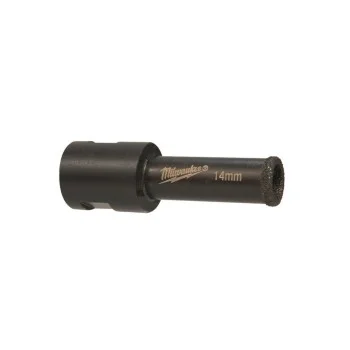
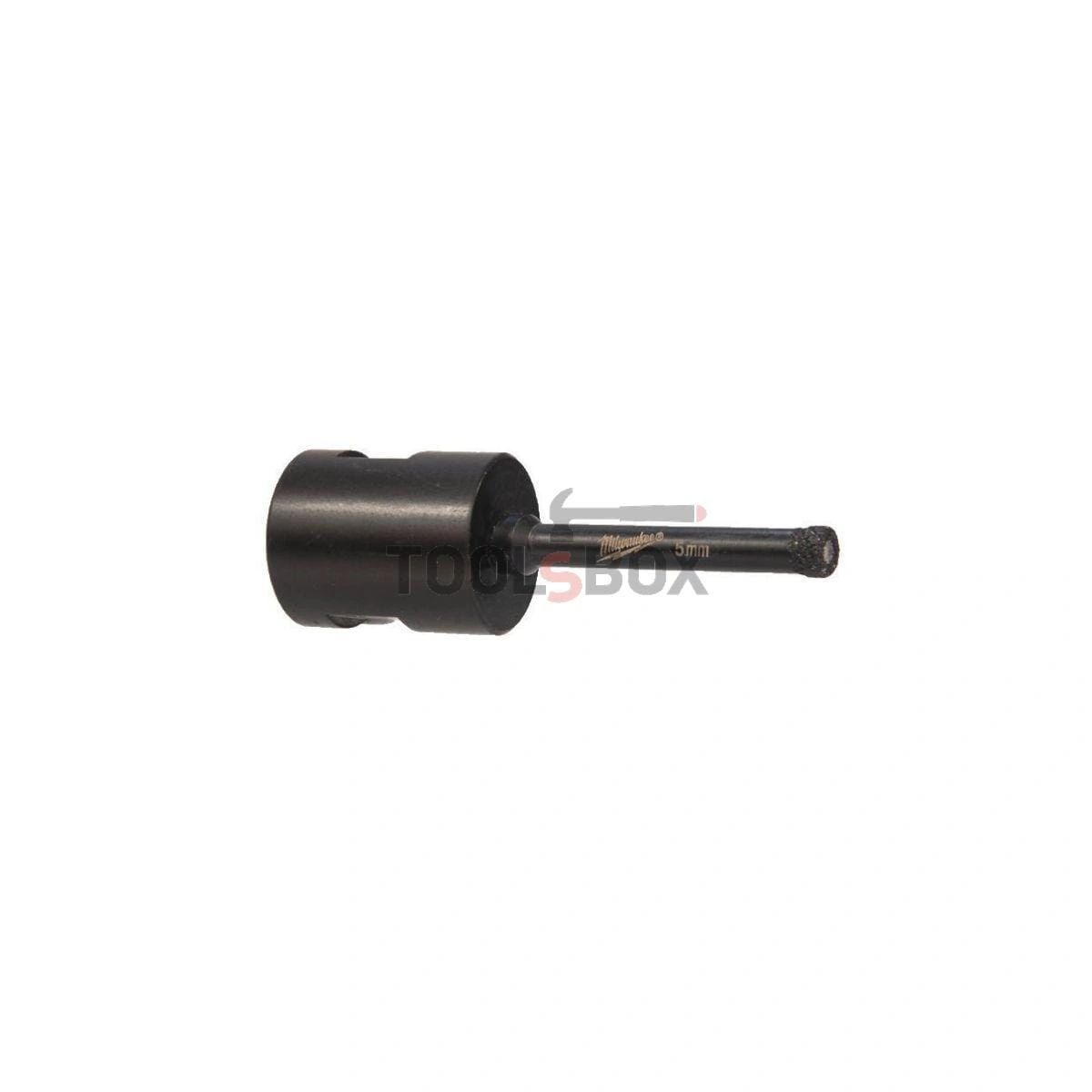
Tile core bits are specialized cutting attachments for drilling holes in ceramic tiles, terracotta, porcelain tiles, ceramic, porcelain slabs, and other hard cladding materials. They are used when installing faucets, traps, pipes, anchors, outlet boxes, electrical outlets, bathroom fixtures, railings, and various elements in kitchens, bathrooms, patios, and commercial spaces. A well-chosen core bit produces a clean hole with a smooth edge and a lower risk of cracking the tile.
When working with tiles, the load on the cutting edge differs from that on wood, metal, or concrete. The surface is smooth, hard, and easily damaged, which is why tile drill bits rely on a diamond coating, precise geometry, and the correct drilling technique. At Toolsbox.bg, you'll find options for various diameters, machine types, and tile types so you can select the right tool for installation, repair, or finishing work.
What do tile core bits include?
The range includes diamond core bits for dry and wet drilling, models with a shank for a drill or screwdriver, attachments for angle grinders, core bits with vacuum-brazed diamond grains, segmented options, and sets with multiple sizes. Some models are designed for ceramic and terracotta tiles, while others are intended for harder surfaces such as granite and porcelain.
The differences between the individual models lie in the diameter, the length of the working part, the type of shank, the cooling method, the wall thickness, and the type of diamond coating. Smaller diameters are practical for holes for fasteners and anchors, while larger sizes are used for plumbing and electrical installations. The sets are convenient for installers who work with different holes throughout the day and need several sizes in a box or organizer.
Applications in renovation, installation, and finishing work
Tile hole saws are used by professional construction crews, bathroom contractors, kitchen installers, electricians, plumbing specialists, and experienced DIYers. They help create openings for water pipes, faucet outlets, sewer connections, cable routes, wall brackets, shower systems, accessories, and furniture fittings.
When working with glazed ceramic tiles, a stable starting position is essential because the tool tends to slip on the surface. With hard porcelain tiles, the diamond coating, cooling, and machine speed are more critical. With large-format tiles, pressure must be applied evenly to protect the tile from vibrations and chipping around the cut.
Types based on operating method
| Core bit type | Purpose | Practical guidance |
|---|---|---|
| Diamond for dry drilling | Ceramic tiles, terracotta, porcelain tiles, and wall tiles during on-site installation | Suitable for short operations and work without water cooling, according to the manufacturer's instructions |
| Diamond bit for wet drilling | Longer drilling operations and hard slabs | Water cools the cutting edge and reduces dust during operation |
| Angle grinder drill bit | Fast drilling in hard ceramic and porcelain tile | Requires a steady hand, the correct starting angle, and speed control |
| Drill bit set | Various hole sizes for repairs and installations | A practical choice when working with several standard diameters |
Selection based on diameter, shank, and material
Before purchasing, it is advisable to determine the exact diameter of the hole. For pipes and sockets, a small margin is needed to allow space for installation, sealing, or a decorative element. For accessory fasteners, the diameter must match the dowel or anchor. A hole that is too small makes installation difficult, while one that is too large reduces stability and leaves visible gaps.
The chuck must be compatible with the machine. Some drill bits work with a drill or cordless screwdriver, while others are mounted on the spindle of an angle grinder. With power tools that lack speed control, extra caution is needed, as excessive speed heats the cutting edge and shortens its lifespan. The hammer mode is not suitable for tiles, as the impact increases the risk of cracking.
The type of tile also influences the choice. Ceramic tile is easier to cut, terracotta is denser, and porcelain tile requires a more durable diamond-coated blade. For porcelain slabs and thick flooring, it is wise to choose a model designed for hard surfaces and continuous use.
Cooling, Safety, and Proper Technique
Cooling protects the diamond edge from overheating and helps ensure a cleaner cut. With wet-cutting models, water is supplied to the cutting area, while with dry core bits, work is performed with short pauses and moderate pressure. Excessive force does not speed up the work; it strains the machine, heats the bit, and increases the risk of the tile chipping.
For a stable start on smooth glazed surfaces, use a template, a guide attachment, or begin at a slight angle, gradually straightening the tool. The work area must be securely secured, and the operator should wear safety goggles, gloves, and dust protection when dry drilling. When drilling into installed tiles, care must be taken to avoid hidden cables, pipes, and waterproofing layers behind the cladding.
Care for core bits and extended service life
After drilling, the core bit should be cleaned of dust, slurry, and material debris. The cutting edge should not strike metal surfaces or be left wet for extended periods when the structure includes steel components. Storing the bit in a box or compartment protects the diamond layer from mechanical damage.
A drop in drilling speed is not always due to wear. Accumulated dust, incorrect RPM, lack of cooling, or working with excessive pressure also affect the tool's performance. Steady guidance, pauses, and the appropriate machine settings extend the service life and protect the tile.
Choose tile core bits according to the specific task
Tile core bits are a small but essential tool for precise installation and a clean finish on tile surfaces. Select the diameter, shank, and type of diamond coating based on the tile, the machine, and the number of holes to be drilled. Browse the selection at Toolsbox.bg and choose a tile core bit that suits your project in the bathroom, kitchen, workshop, or construction site.