

Workwear
Workwear
Comfort and Protection for Every Work Project
Workwear plays a critical role in the safety and comfort of workers across all industries. Whether it's construction, manufacturing, logistics, or outdoor work, choosing the right workwear can provide protection against various risks as well as comfort while performing tasks. In this article, we will explore the main types of workwear, their characteristics and applications, as well as how to choose the most suitable option for your needs.
Types of Workwear
Workwear can be divided into several main categories depending on the industry and specific working conditions. Here are some of the most commonly used types:
Protective Clothing
Protective clothing is designed to protect workers from physical injuries and hazards in the workplace. This includes fire-resistant jackets and coveralls that provide protection against high temperatures and flames. These garments are made from special materials that reduce the risk of burns when working with hot materials or in fire-hazardous environments.
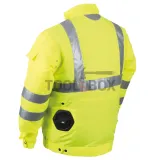
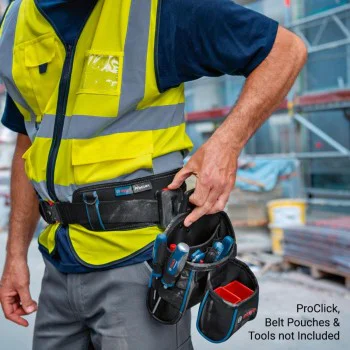
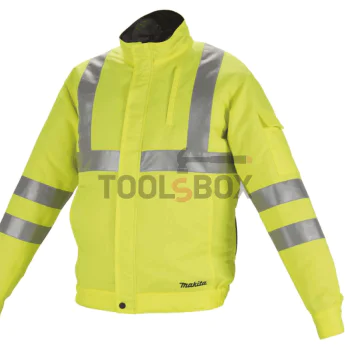
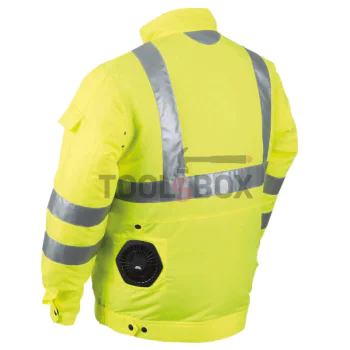
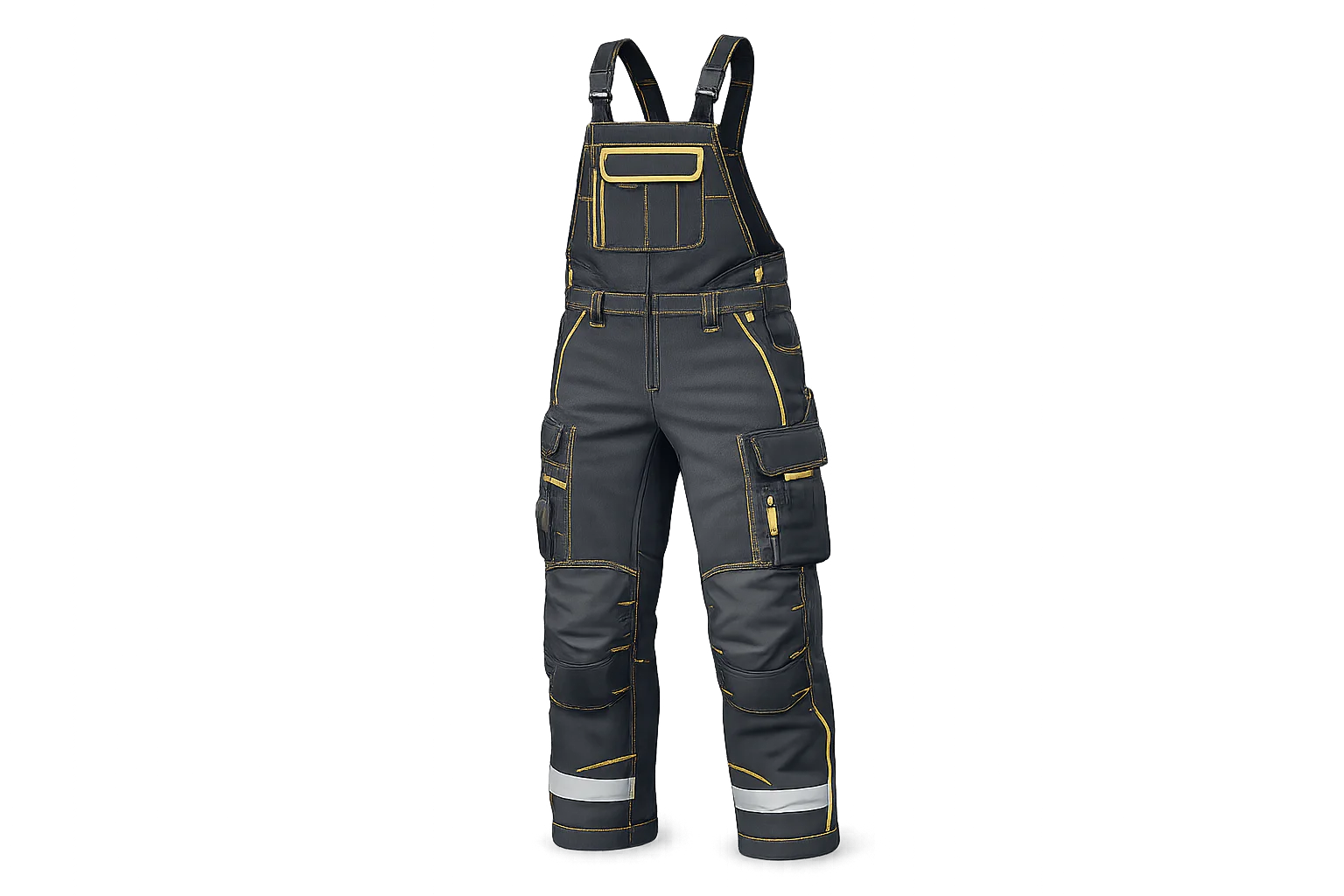
There is also high-visibility protective clothing, which is extremely important for working near traffic or in low-light conditions. These garments are equipped with reflective strips that improve workers' visibility, especially in construction, the transportation industry, or when working outdoors.
Cold-weather clothing
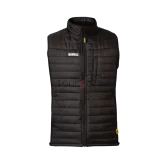
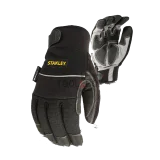
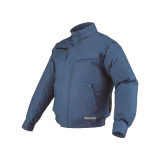
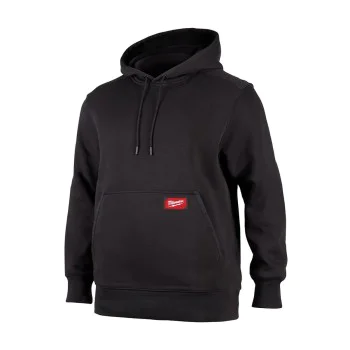
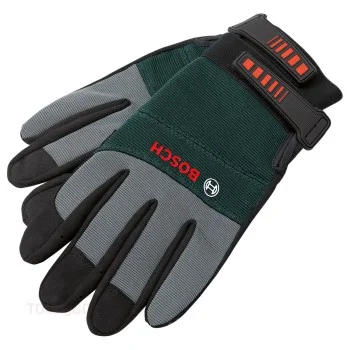
Working outdoors in winter or in cold storage facilities requires special workwear to protect against low temperatures. This includes insulated jackets, coveralls, hats, and gloves that retain body heat and ensure comfort while working in the cold. Modern materials, such as polyester fibers or quilted fabrics, allow workers to move freely without feeling the cold.
Waterproof clothing
For workers exposed to rain and humidity, waterproof clothing is a must. It includes waterproof jackets, coveralls, and shoes that prevent water from penetrating and keep the body dry while working outdoors. These garments are typically made from materials such as polyurethane or PVC, which create an impermeable barrier against moisture while allowing the skin to breathe.
Workwear for Specific Industries
Depending on the industry, workwear can be specially designed to meet specific needs. In medicine and laboratories, for example, protective aprons and chemical-resistant clothing are used. For working with hazardous substances or in environments with chemical vapors, there are special suits that provide protection against spills and chemical reactions.
Clothing for Construction and Heavy Industry
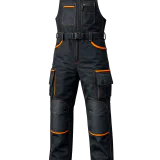
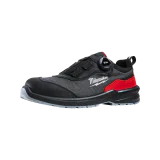
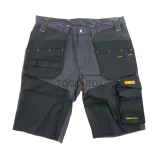
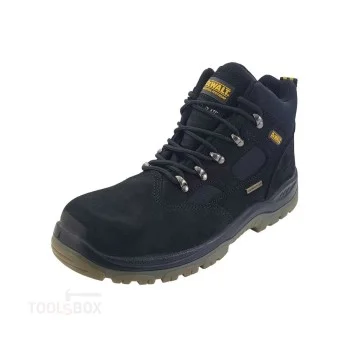
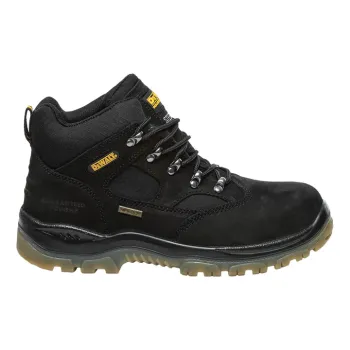
Workers in construction or heavy industry often need durable, wear- and tear-resistant clothing, such as coveralls, jackets with reinforced areas, and shoes with steel toes. This clothing provides not only comfort but also protection against mechanical impacts, such as blows and punctures.
Features of modern workwear
Modern workwear is designed with functionality and comfort in mind, but also with an eye toward new technologies and materials. Here are some of the key features that make it so effective and popular:
Breathable fabrics
During intense physical work or in hot climates, it is important for workwear to be made of breathable fabrics that allow the body to cool down and prevent excessive sweating. Many modern work clothes use combinations of cotton and synthetic fibers that provide the necessary ventilation while protecting against moisture.
Lightweight and Comfortable
Modern workwear is designed to be lightweight and comfortable to wear throughout the entire workday. Lightweight fabrics, such as polyamide or polyester, are used to reduce the weight of the garments without compromising the protection they provide. Ergonomic cuts and adjustable features, such as cuffs and waistbands, also contribute to maximum comfort.
UV Protection
For workers who spend long hours outdoors, it is important that workwear offers protection from the sun's UV rays. Many modern materials feature UV protection, which prevents skin damage from prolonged sun exposure.
How to choose the right workwear?
When choosing the right workwear, it is important to consider several key factors:
The type of work
Depending on the type of work, you should choose clothing that provides the specific protection you need. For example, if you work in construction, you'll need durable, wear-resistant clothing, while for work with chemicals, you'll need clothing that offers protection against chemical exposure.
Weather conditions
The climate in which you will be working also plays an important role in choosing workwear. In cold conditions, you will need thermal clothing, while in hot climates, you will need breathable and lightweight fabrics to keep your body cool.
Durability and Easy Care
Workwear must be durable and withstand repeated washing and wear. Choose clothes that are easy to maintain and clean so they can serve you for a long time without losing their protective properties.
How to care for workwear?
Proper care of workwear is key to extending its effectiveness and lifespan. Here are a few care tips:
- Regular cleaning: After each use, workwear should be cleaned to prevent the buildup of dust, dirt, or hazardous substances.
- Avoid high temperatures: Wash garments at the recommended temperature to prevent damage to protective fabrics.
- Check for damage: Regularly inspect the condition of the clothing for wear or tears and replace it if damaged.
Investing in Quality Workwear
Investing in quality workwear is not just a matter of comfort, but also of safety. Workers who are protected by appropriate clothing are less prone to accidents and injuries, which increases their productivity and efficiency. Choose clothing from established manufacturers that offer certified products meeting all safety standards.
In conclusion, workwear is not only a means of protection but also a way to enhance workers' productivity and comfort. Whether you work in heavy industry, construction, or on smaller craft projects, the right choice of clothing will provide you with the necessary protection and comfort to effectively perform your tasks.