
Wood machines
Woodworking machines for cutting, splitting, and preparing wood
Woodworking machines are used for preparing firewood, processing logs, trimming branches, and working with wood around the home, in the yard, on the farm, or at a job site. They complement chainsaws and other woodworking equipment when faster, more precise, or less strenuous work is needed. At Toolsbox.bg, you'll find models for a variety of tasks-from compact solutions for home use to more powerful machines for professional use and regular firewood preparation.
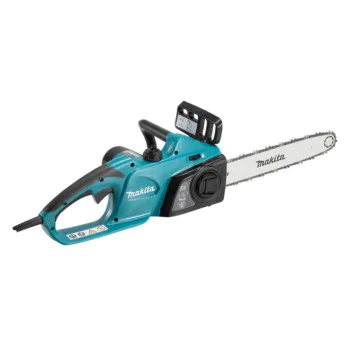
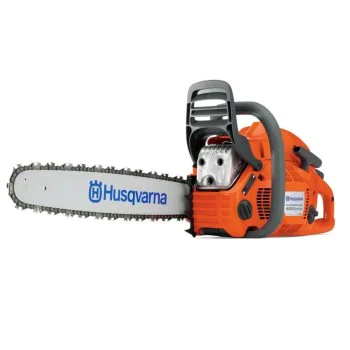
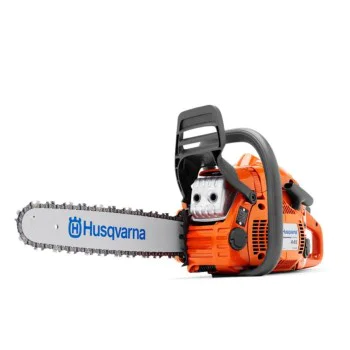
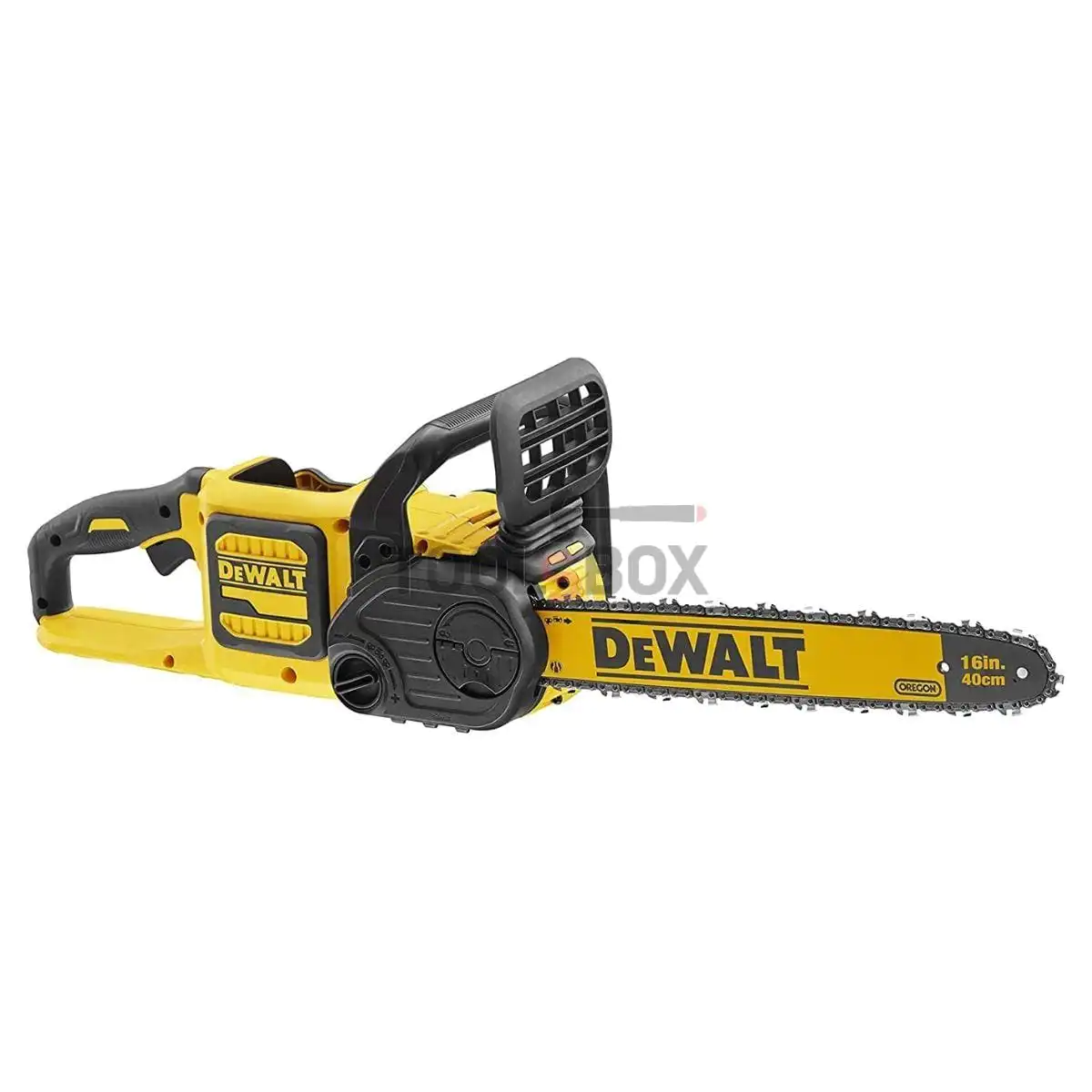
Woodworking machines include solutions for cutting, sawing, splitting, chipping, and processing wood. Some are electric-powered and are convenient for use in a yard, garage, or workshop. Others are gasoline-powered or have higher power, making them suitable for use away from the electrical grid. The differences between individual models relate to power, working capacity, maximum log size, drive type, mobility, load capacity, and required consumables.
What tasks are wood chippers used for?
Wood-processing machines are used for seasonal heating preparation, property maintenance, cleanup after pruning, work in orchards, carpentry, and servicing small farms. When cutting logs, a stable base, a precise cut, and good productivity are essential. When splitting, the focus is on pressure, log length, ease of loading, and operator safety. When shredding branches, the acceptable diameter, type of cutting mechanism, and ease of cleaning after use are important.
The chainsaw remains the primary tool for felling, pruning, and initial cutting, but wood-processing machines are very useful for subsequent processing. They reduce manual labor during repetitive operations and provide better control over the size of the finished material. For households that regularly prepare firewood for a stove, fireplace, or boiler, such a machine saves time and ensures a more organized workflow.
Differences between electric, gas, and stationary models
Electric wood splitters are practical when working near an outlet and are valued for their lower noise level, easy start-up, and easier maintenance. They are a good option for yards, garages, and workshops where pre-prepared logs, planks, or branches are processed. When using them, you need to consider power requirements, cable gauge, electrical circuit protection, and the work area.
Gasoline models offer greater freedom in the field. They are suitable for work in forests, vacation homes, farmyards, or areas without electricity. When choosing one, consider engine power, fuel consumption, weight, ease of starting, and access to filters and maintenance. Stationary wood splitters are designed for higher volumes of work and longer runs of repetitive operations, where stability and capacity are crucial for efficiency.
How to choose the right wood-processing machine
The selection process starts with the actual workload. For a few cubic meters of wood per year, a more compact machine is sufficient, as long as it accommodates the size of the logs. For regular firewood preparation or farm work, it makes more sense to look for more powerful equipment with higher capacity and a sturdy work area. When comparing log splitters, consider the pressure force, piston stroke, and maximum log length and diameter. For circular saws and cutting machines, the blade diameter, table stability, cutting area protection, and ease of material feeding are important.
- Power and load capacity: higher power is required for hardwood, thick logs, and continuous operation.
- Material size: Compare the maximum log length and diameter with the wood you're processing.
- Power source: electric models are convenient for stationary work, while gas-powered models are better for field use.
- Mobility: wheels, handles, and weight matter when moving the saw frequently around a yard or workshop.
- Service and consumables: blades, discs, chains, oils, and spare parts must be selected according to the specific model.
Brief comparison of the main types
| Type of machine | Typical use | What to compare |
|---|---|---|
| Wood splitters | Splitting firewood | Pressure force, log length, horizontal or vertical operation |
| Cutting machines | Cutting wood into uniform lengths | Power, disc or chain, stability of the support |
| Crushers and shredders | Shredding of branches and green waste | Maximum diameter, cutting mechanism, container or discharge |
| Gasoline-powered solutions | Working off-grid | Engine, weight, maintenance, fuel consumption |
Safety, maintenance, and compatible accessories
Working with woodworking machines requires a stable work surface, good lighting, and protective gear-gloves, goggles, ear protection, and sturdy shoes. The material must be securely positioned on the work surface, and the cutting and clamping mechanisms must be kept free of debris, resin, and sawdust. For chainsaws and chain-driven machines, check the lubrication, tension, and condition of the chain. For circular saws, check the blade for wear, the clamping mechanism, and the guard.
Regular maintenance extends the life of the equipment and maintains consistent performance. After use, it is helpful to clean the body, guides, table, and areas around the engine. For gasoline-powered machines, monitor the fuel mixture, air filter, spark plug, and oils. For electric models, check the cables, plugs, and the condition of the starting components. For more precise work, choose compatible accessories and consumables-chains, guide bars, discs, blades, oils, and safety gear.
Woodworking machines for home, yard, and professional use
Woodworking machines are a smart investment for anyone who works with wood regularly and wants better control over cutting, splitting, and preparing firewood. The right model should match the type of wood, the work environment, the available power source, and the scope of the tasks. Browse the selection at Toolsbox.bg and choose a machine that fits your woodworking needs-from yard maintenance to more intensive professional use.