
Machines for cutting tiles
Tile cutting machines for precise cuts in tiling projects
Tile cutting machines are essential when installing ceramic, terracotta, porcelain, and other tiling materials, particularly when a clean edge, precise geometry, and control over the size of the piece are required. They are used in the renovation of bathrooms, kitchens, hallways, patios, staircases, or commercial spaces, where each tile is often fitted around corners, drains, doors, pipes, and decorative elements. The right machine reduces material waste and speeds up work when making straight cuts, diagonal cuts, and precise adjustments.
Toolsbox.bg offers a selection of tile cutting machines for professionals, construction crews, tile installers, and discerning home users. The range includes hand-held cutters, water-cooled electric machines, bench-top solutions, and models for larger formats. The differences between them are most noticeable in terms of material hardness, cut length, operating frequency, and the required edge finish.
Types of tile cutting machines
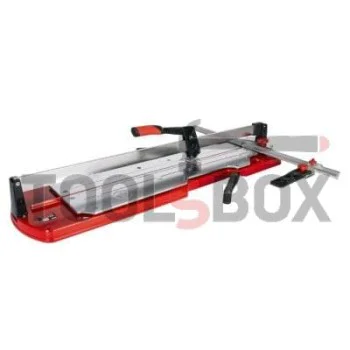
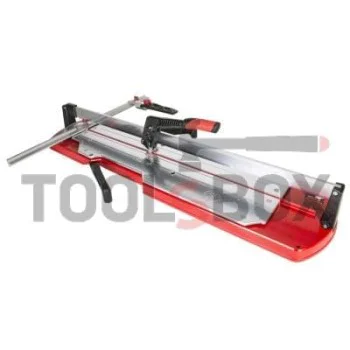
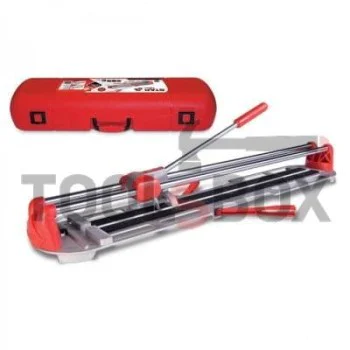
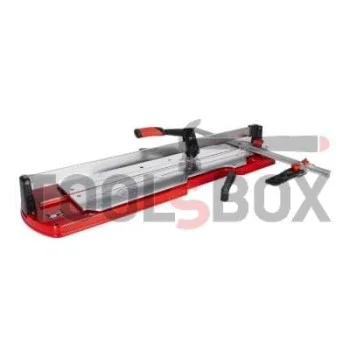
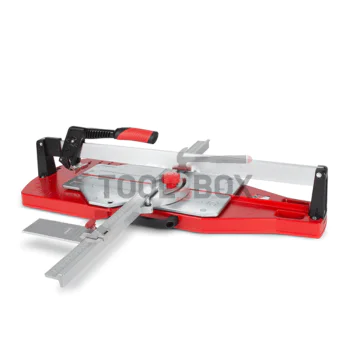
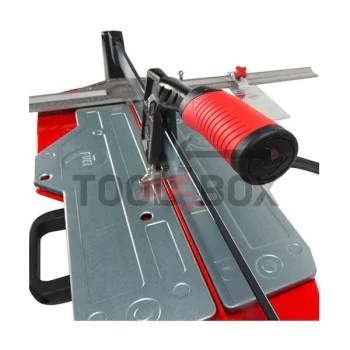
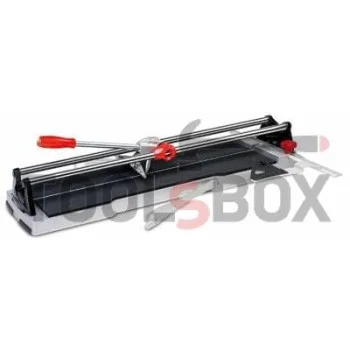
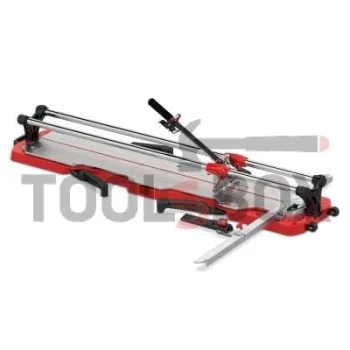
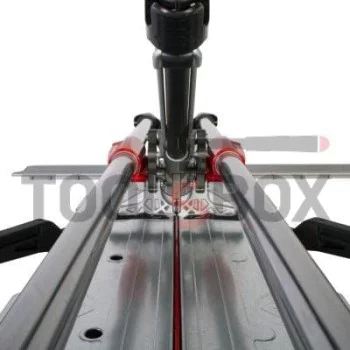
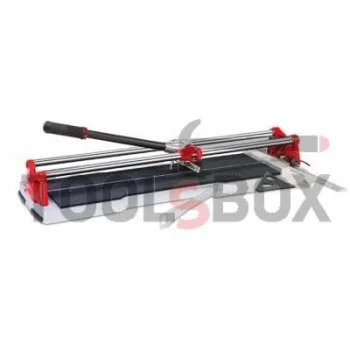
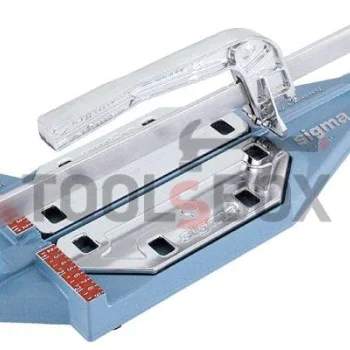
Hand-held tile cutters are practical for standard-thickness ceramic and earthenware tiles. They work by scoring the glaze with a cutting wheel and then snapping the tile along the line. This type of tile cutting machine is preferred for quick sizing, on-site work without a power supply, and reduced dust generation. When selecting one, the length of the guides, the stability of the base, the smoothness of the slider, and the strength of the breaking mechanism are important factors.
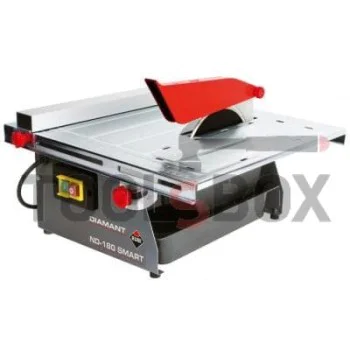
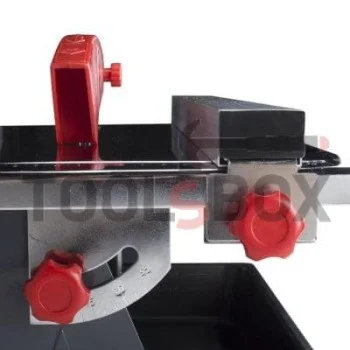
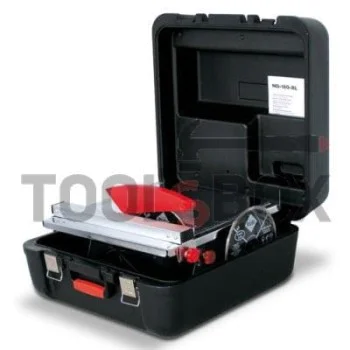
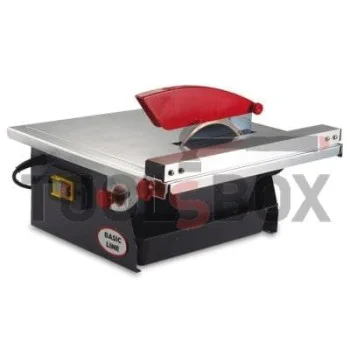
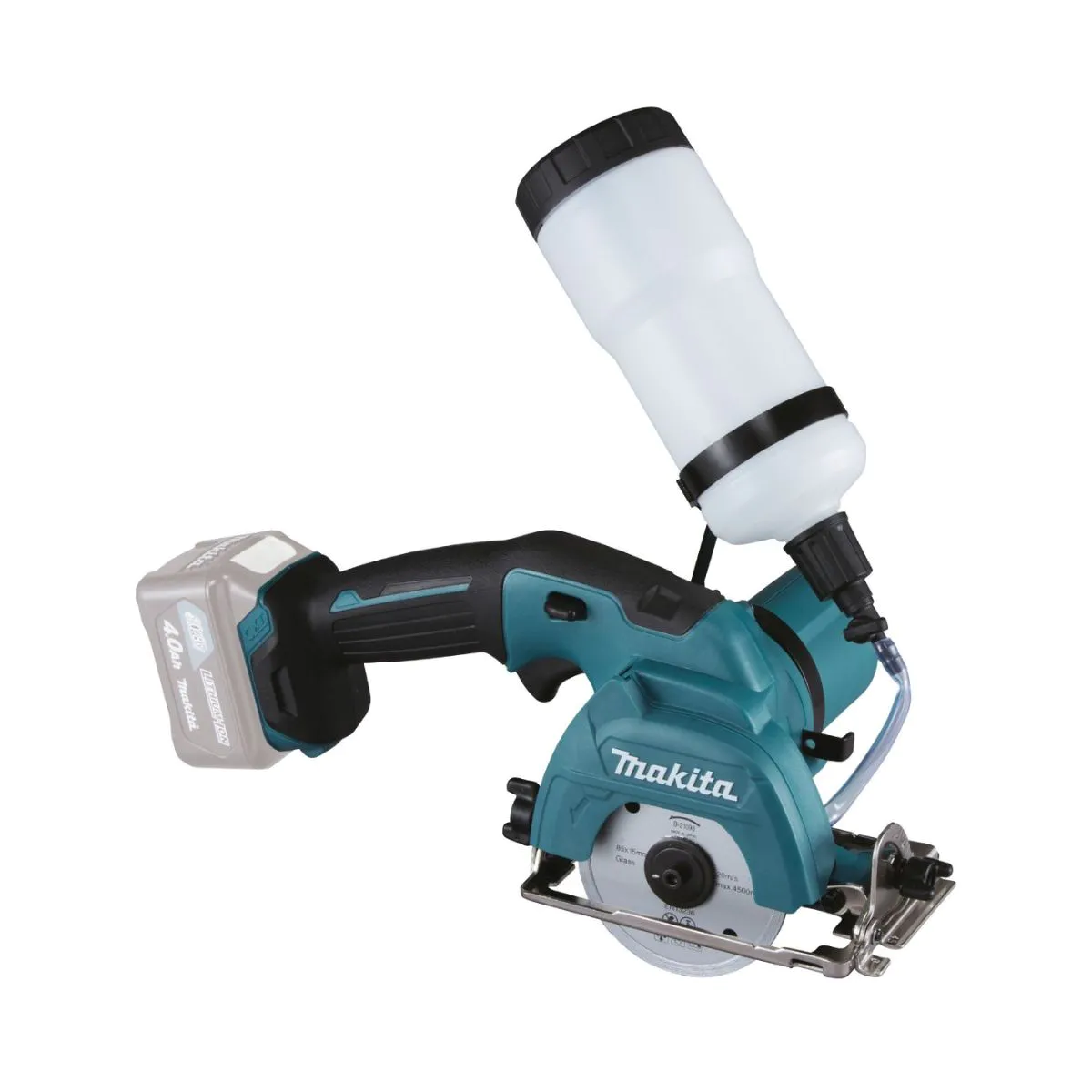
Electric machines use a diamond blade and provide better control when cutting hard porcelain tiles, thick slabs, textured surfaces, and more complex cuts. Water-cooled models limit blade overheating and help achieve a cleaner cut, especially with dense materials. Bench-top machines are convenient for repair work and installing medium-sized tiles, while bridge machines with a guide head are suitable for long and diagonal cuts on large formats.
| Machine Type | Operation | Strengths |
|---|---|---|
| Hand-held cutter | Ceramic tile, terracotta, standard ceramics | Quiet operation, quick sizing, easy to transport |
| Electric bench-top machine | Ceramic and porcelain tiles for renovation and installation | Disc cutting, water cooling, good control |
| Bridge saw | Large tiles and long diagonals | Stable guidance, more precise repeatable cuts |
Applications in renovation, construction, and installation
Tile cutting machines are used for fitting wall and floor tiles, shaping the last rows, cutting around thresholds, pipes, and fixtures, creating decorative strips, and diagonal laying. For straight cuts, stability and the visibility of the cutting line are key. For diagonal cuts, the working length is important, as the tile takes up more space on the table or rail. For hard materials such as porcelain tile, a machine with sufficient power, a stable water system, and a blade suitable for the material is recommended.
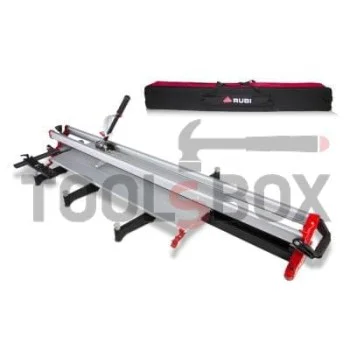
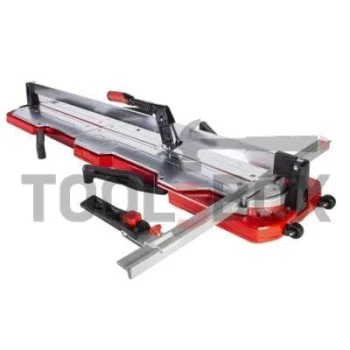
For home use, a compact handheld or bench-top machine is often sufficient if the volume of work is limited and the tiles are standard sizes. For professional use, models with a longer base, more precise guidance, more durable bearings, and a construction that maintains its geometry under load throughout the workday are more suitable. For projects involving large-format slabs, the machine must maintain the required cutting length and stable support across the entire surface.
How to choose based on material and size
When selecting tile-cutting machines, the first considerations are the size and hardness of the tiles. For earthenware and standard ceramic tiles, a manual tile cutter is often sufficient, provided the guides are straight and the cutting wheel has the correct diameter. For dense porcelain tiles, clinker, or thick slabs, an electric machine with a diamond blade offers more reliable control and a lower risk of chipped edges.
The cutting length must accommodate the largest tile to be cut, including the diagonal dimension. The cutting depth depends on the material thickness and the blade diameter. For electric models, consider power, RPM, blade size, the ability to cut at an angle, a water reservoir or pump, blade guards, and the stability of the work table. For manual models, pay attention to the ergonomic handle, smooth carriage movement, accurate measuring scale, and the quality of the cutting mechanism.
Diamond blades, cutting wheels, and consumables
The performance of tile cutting machines depends directly on the correct consumables. The diamond blade must match the type of material and the cutting mode. Blades with a continuous rim are preferred for clean cuts on ceramic and porcelain tiles, while other profiles are designed for faster cutting or harder surfaces. For hand-held tile cutters, the cutting wheel is selected based on the glaze, thickness, and texture of the tile. A worn-out blade or wheel often leaves a rough edge and increases the risk of breakage.
Useful accessories include repeatable size guides, angle guides, spare wheels, water pumps, trays, stands, and cleaning supplies. When working with power tools, safety goggles are required, as well as ear protection for noisier operations, and a stable work area free of loose cables near the water. After cutting is complete, the water basin is cleaned of sludge, the blade is inspected for wear, and the sliding components are cleared of dust and debris.
A practical selection from Toolsbox.bg
Tile cutting machines are an investment in precision, less material waste, and a more organized workflow during tiling projects. For small repairs, compact size and easy portability are key, while for continuous work on job sites, more stable machines, longer cut lengths, and compatibility with high-quality diamond blades are preferred. Browse the options at Toolsbox.bg and choose a machine that suits the tiles, the scale of the job, and the required precision for every installation.