
Oberfresa
Router for precision woodworking
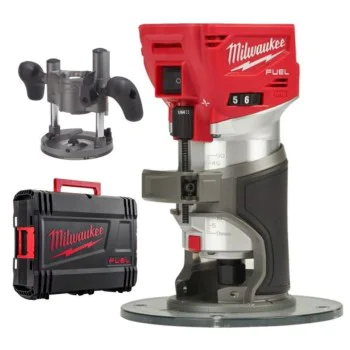
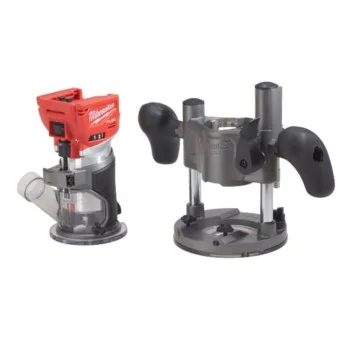
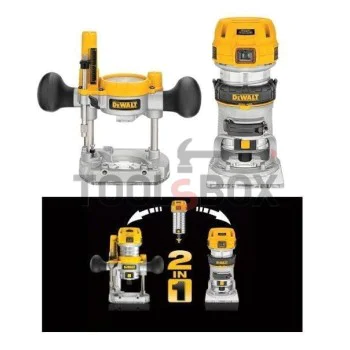
A router is a machine for fine shaping, milling, and finishing wood, panels, and furniture components. It is used for creating grooves, chamfers, profiles, decorative edges, joints, template-cut holes, and precise mounting slots. When working with MDF, particleboard, plywood, solid wood, or laminated panels, a properly selected router ensures a clean cut, stable guidance, and good repeatability when producing a series of identical parts.
In woodworking, this machine is valuable for professional furniture makers, installers, and woodworking shops, as well as for discerning DIY enthusiasts. With the right router bit and proper setup, the router performs tasks that are difficult to achieve by hand: evenly rounding edges, shaping decorative profiles, cutting along a template, routing hinge slots, and creating dovetails and joint channels. Accuracy depends on the stability of the base, depth adjustment, speed, and the quality of the cutting tool.
Applications for router use
Routers are used in various stages of woodworking-from rough shaping to fine finishing. In furniture manufacturing, they are often used for processing countertops, doors, end panels, shelves, and decorative elements. During installation, they help with the precise installation of trim, cutting holes to a template, and on-site edge trimming.
- Edge profiling-rounding, chamfering, decorative shapes, and edges with uniform geometry.
- Milling of channels-dovetails for joints, channels for guides, grooves for gaskets, or decorative lines.
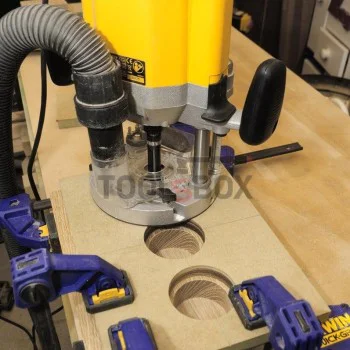
- Template-based work-repeatable holes, shapes, and cutouts using a copying sleeve or a bearing-mounted router.
- Recessing hardware - hinges, locks, strips, mechanisms, and other mounting elements.
- Fine finishing operations-edge trimming, material removal, and part leveling.
Types of router bits and differences between them
Models differ in power, plunge depth, collet size, speed range, base design, and available settings. For fine edge work, more compact machines with good control and low weight are convenient. For deeper grooves, large routers, and extended use, a more powerful model with stable guides and precise depth control is required.
| Machine type | Practical application | What to look for |
|---|---|---|
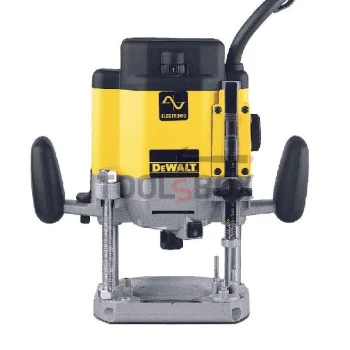
| Plunge router | Grooves, holes, template work, joints | Plunge depth, column stability, depth adjustment |
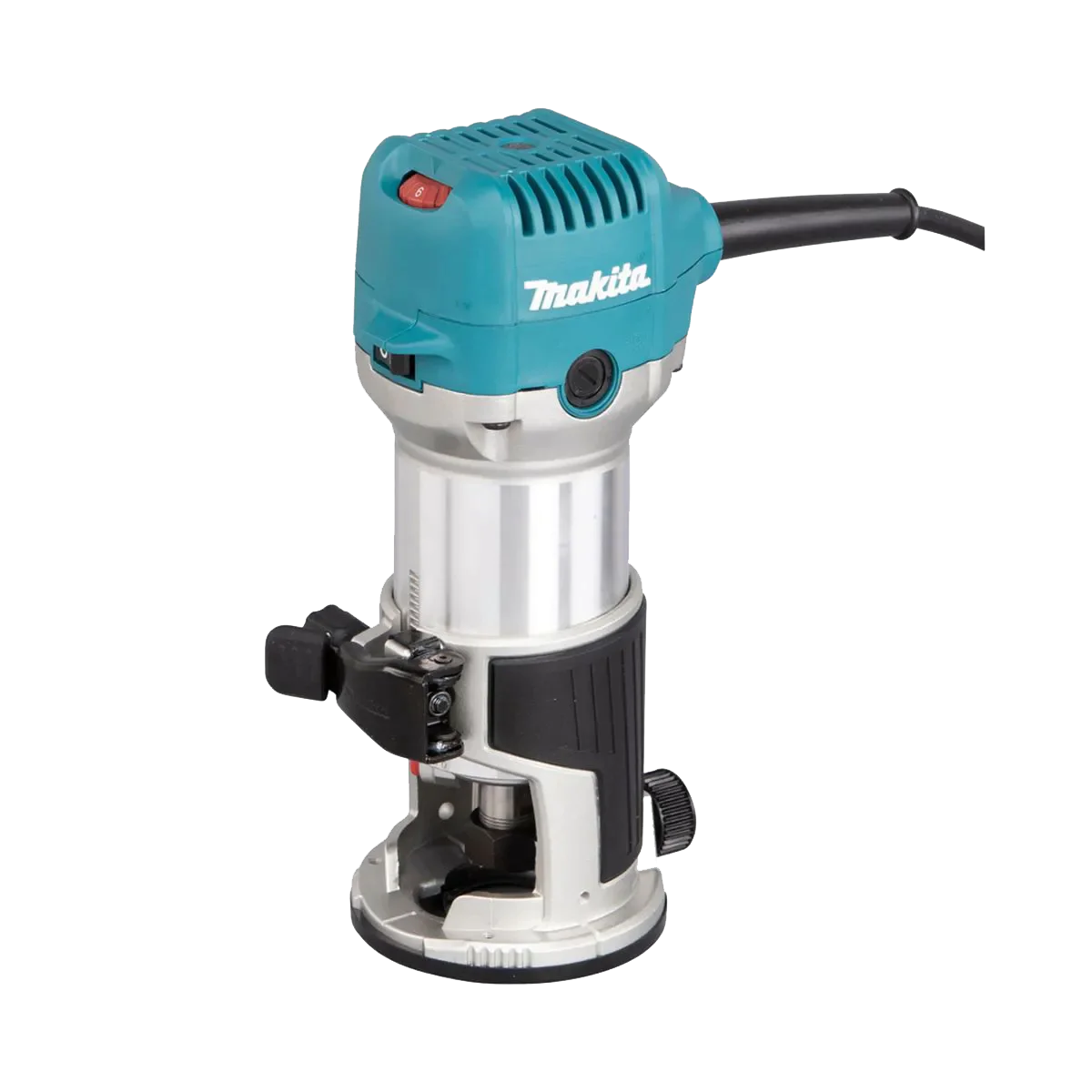
| Compact edge router | Chamfering, rounding, edge trimming, light-duty operations | Weight, base type, visibility of the cutting area |
| Model with speed control | Compatibility with various routers and materials | Speed range, smooth adjustment, load control |
| Router for heavier-duty work | Deep grooves, larger profiles, serial operations | Power, collet, stable base, dust extraction |
Criteria for selecting a router
When selecting a router, consider the material, frequency of use, and size of the cutters you will be using. For light finishing operations, the compact housing makes it easier to guide and reduces fatigue. For solid wood, wider profiles, and prolonged use, higher power and stable mechanics are crucial for a smooth cut.
Power and RPM
Power affects the machine's performance during deeper routing and when working with hard materials. Speed control is useful when using different router bit diameters-larger tools typically require lower speeds, while smaller ones perform well at higher speeds. A soft start, when available on a model, aids control at the start of cutting.
Collets and Router Compatibility
The collet determines which router shanks the machine works with. Common sizes include 6 mm, 8 mm, and 12 mm, and some models offer adapter collets. Compatibility between the machine and the accessories is crucial for secure clamping, precision, and reduced vibration. The router bit must be properly seated, clean, and free of visible damage to the shank or cutting edge.
Cutting depth and settings
Precise depth adjustment is valuable for grooves, joints, and mortising. The step stop, fine adjustment, and a securely fixed base help ensure consistent results during repetitive operations. Working in multiple passes reduces the load on the motor and router, and the surface remains cleaner.
Accessories, Consumables, and Safe Operation
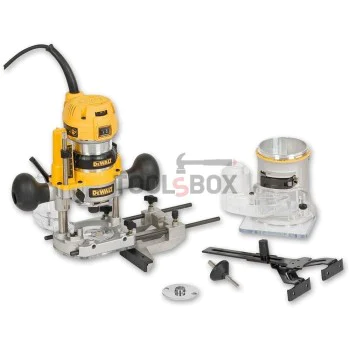
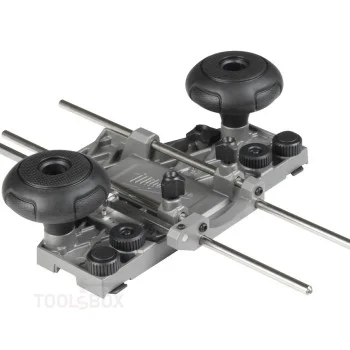
The router works most accurately with the right accessories. The parallel guide makes it easy to cut straight grooves at a consistent distance from the edge. Copying sleeves and templates provide control for serial cuts. Connecting to a dust collector keeps the work area cleaner and improves visibility of the cutting line. A stable base, comfortable handles, and easy access to controls enhance control over the machine.
For safe operation, the workpiece must be securely clamped, and the router must be properly tightened. Always wear appropriate personal protective equipment: safety glasses, ear protection, and dust protection when working on surfaces. Feed the machine evenly, without applying sudden pressure. Worn or dull cutters strain the motor and degrade the surface finish, so regular inspection of cutting tools is part of good maintenance.
Router for workshops, installation, and home projects
The right router facilitates precise control in woodworking and expands the capabilities of any workshop. For professional use, durability under load, precise adjustment, and compatibility with cutters and guides are important. For home use, the key factors are comfortable handling, easy adjustment, and a set of accessories that cover the basic tasks in home repair and furniture making.
Browse the router offers at Toolsbox.bg and select a machine based on the material, router bit size, required cutting depth, and frequency of use. This way, you'll get a precise tool for grooves, profiles, edges, and detailed woodworking.