
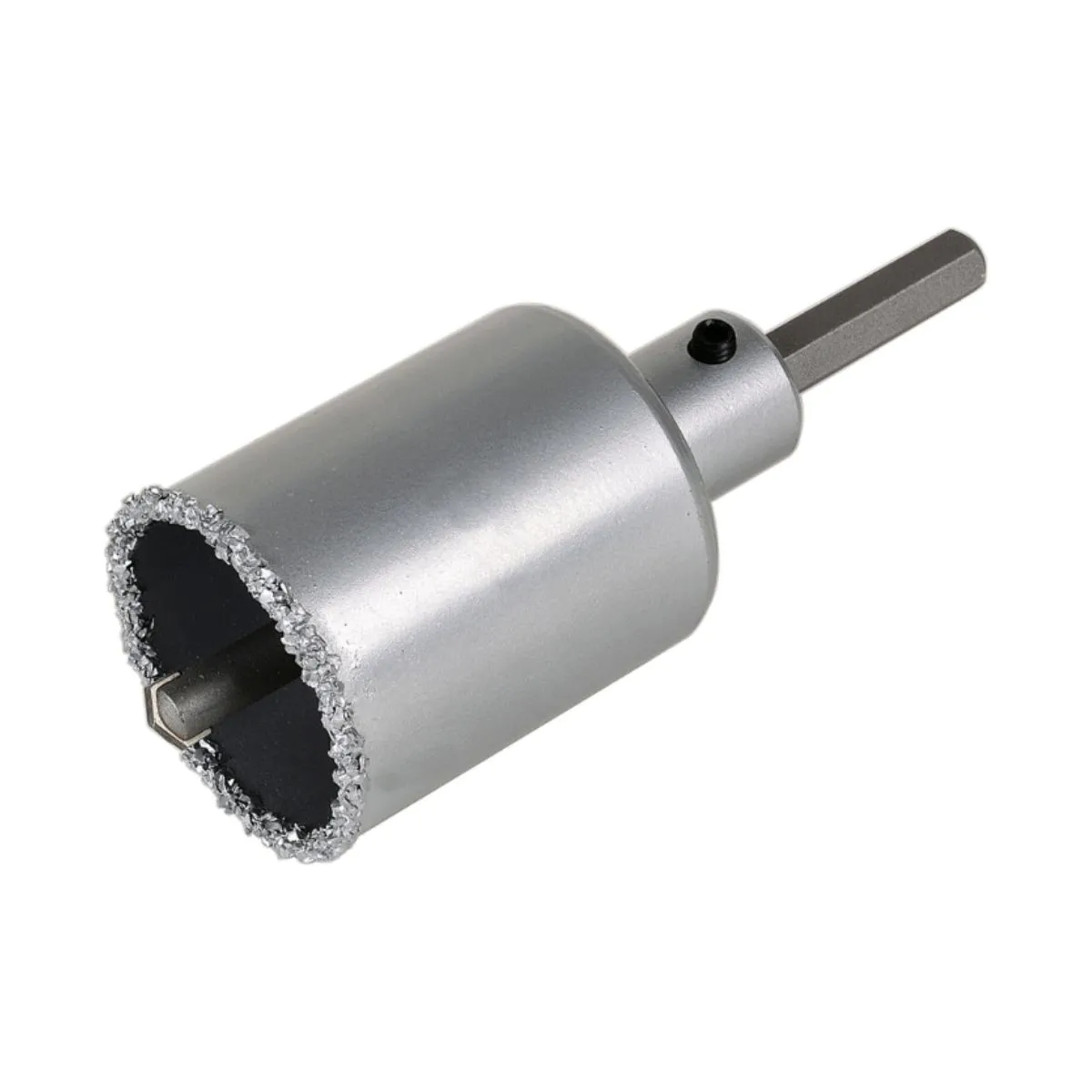
Borkoroni for brick
Brick core bits for precise holes in masonry
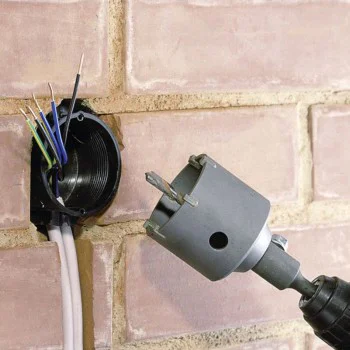
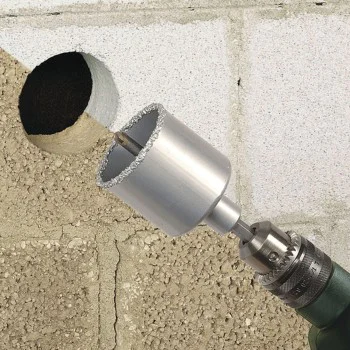
Brick core bits are used for drilling round holes in brick walls, ceramic blocks, hollow bricks, aerated concrete, and similar building materials. They are necessary for installing electrical boxes, running pipes, creating ventilation openings, cable routes, anchors, facade elements, and various installations. A properly selected core bit ensures a uniform hole, reduces chipping along the edge, and protects the power tool during operation.
In this section, you will find core bits with various diameters, drilling depths, shanks, and cutting segments. Some models are designed for use with a hammer drill or drill, while others are combined with an adapter, centering drill bit, or extension. The selection depends on the type of brick, the desired diameter, the hole depth, and the machine to be used.
Applications in construction, repair, and installation
Brick core bits are a practical consumable for electricians, plumbing installers, construction crews, drywall installers, and DIYers with experience in renovation work. In electrical installations, diameters are needed for junction boxes, branch boxes, and cable bundle passages. In plumbing and heating installations, larger sizes are used for pipes, corrugated hoses, air ducts, and openings through masonry.
When working in ceramic bricks and hollow blocks, a clean start to the hole is particularly valuable, as the hammer mode easily cracks the material's structure. For this reason, many brick core bits are used in rotation-only mode, unless the manufacturer of the specific bit specifies otherwise. The centering drill bit stabilizes the start of drilling and reduces deviation, which is useful for visible installation areas or when drilling a series of identical holes.
Types of brick core bits
Carbide-tipped core bits
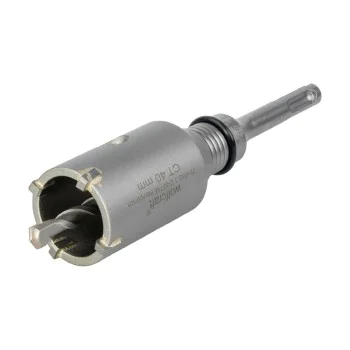
Carbide core bits have teeth or plates made of carbide material that cut well through brick, limestone blocks, and softer masonry substrates. They are preferred for installing electrical boxes, hangers, and small- to medium-diameter openings. The tooth profile removes dust and chips, and the body must be sturdy enough to maintain its shape under load.
Diamond core bits for dry drilling
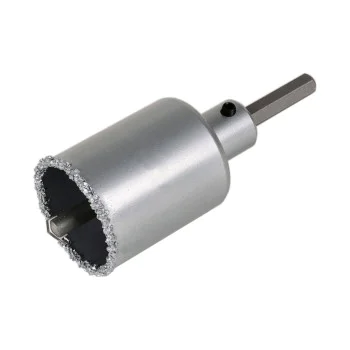
Diamond core bits for brick use abrasive cutting and produce a clean hole in ceramic materials, solid bricks, and some harder masonry surfaces. They are a good choice for more precise holes, larger diameters, or dry drilling when the structure and conditions do not allow for wet drilling. During dry drilling, cooling pauses prevent the segments from overheating and extend their service life.
Kits, Adapters, and Extensions
Some core bits are sold separately, while others come with a holder, centering drill bit, pilot pin, or extension. Kits are convenient for installers who work with several standard diameters. Extensions make it easier to drill through thicker walls, and replaceable centering drills are practical for intensive work because they can be replaced separately from the core bit.
How to choose the right size and grip
Diameter is the first parameter to consider when selecting a core bit for brick. For electrical junction boxes, sizes close to standard mounting holes are used, while larger diameters are chosen for pipes and ventilation elements. The cutting depth must correspond to the thickness of the material and the specific task. For through-holes in a wall, it is often better to drill from both sides when exit accuracy is critical.
The chuck must be compatible with the machine. Options include SDS-plus, SDS-max, hexagonal, cylindrical shank, or threaded shank. Hammer drills with SDS chucks are convenient for construction sites, but the operating mode must be adjusted according to the type of core bit and brick. For drills and screwdrivers, consider the maximum chuck diameter, torque, and stability at low RPMs.
- Diameter: match it to the box, pipe, cable conduit, or mounting detail.
- Depth: Check the working length of the core bit against the wall thickness.
- Chuck: ensure compatibility with a hammer drill, drill, or holder.
- Base material: Hollow brick, solid brick, and aerated concrete place different loads on the cutting edge.
- Operating mode: For hollow bricks, use the no-impact mode when specified for the model.
Operation, Safety, and Maintenance
Before drilling, mark the location precisely and hold the machine perpendicular to the wall. The center drill starts the hole, after which the core bit is inserted gradually. Excessive pressure does not speed up cutting but puts strain on the teeth, segments, and the machine's gearbox. For deeper holes, it is helpful to periodically remove the core bit to clear dust and allow for cooling.
Working with brick generates dust and small particles. Safety goggles, gloves, a dust mask, and a stable body posture are required for protection. In walls containing electrical cables or pipes, the drilling area must be checked in advance with a detector or according to the installation plan. After use, clean the core bit of dust, and inspect the teeth and segments for wear, warping, or breakage.
Brick core bits at Toolsbox.bg
The selection of brick core bits at Toolsbox.bg includes solutions for mounting holes, installation passages, and repair work in masonry. You can compare diameter, grip, cutting edge type, working depth, and required accessories to find the right option for your specific machine and material. Choose a core bit that suits the task, operating conditions, and frequency of use, and equip your workshop or job site with the right consumable for clean drilling in brick.