
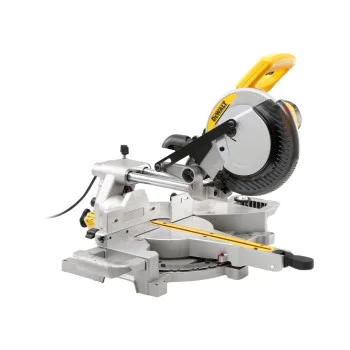

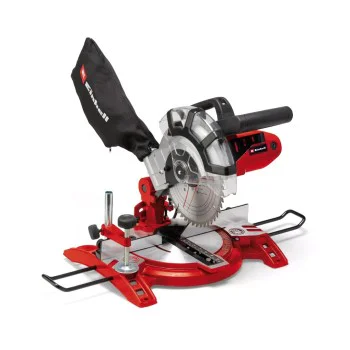
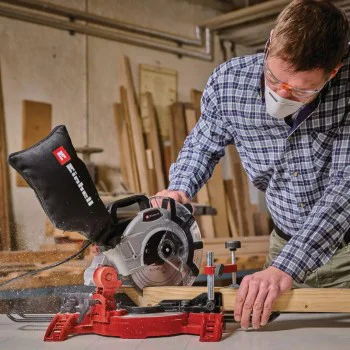
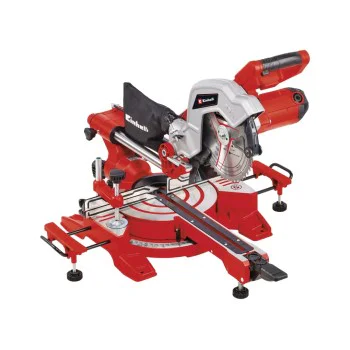

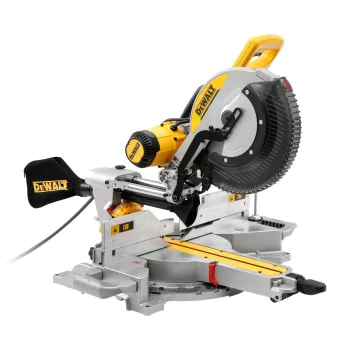
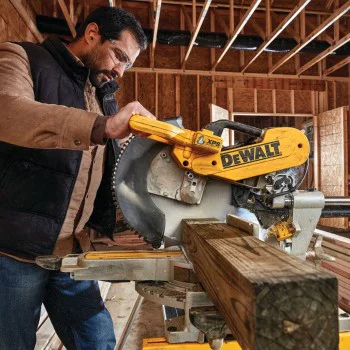
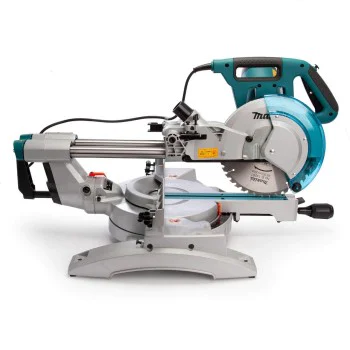
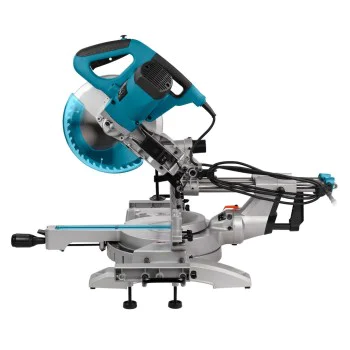
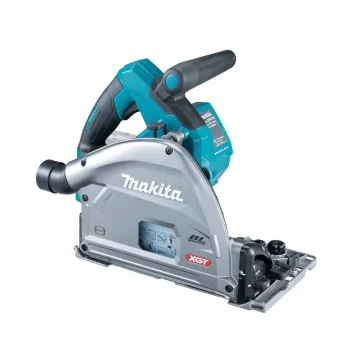
Immersing circular saw
Plunge-cut circular saw for clean, precise cuts
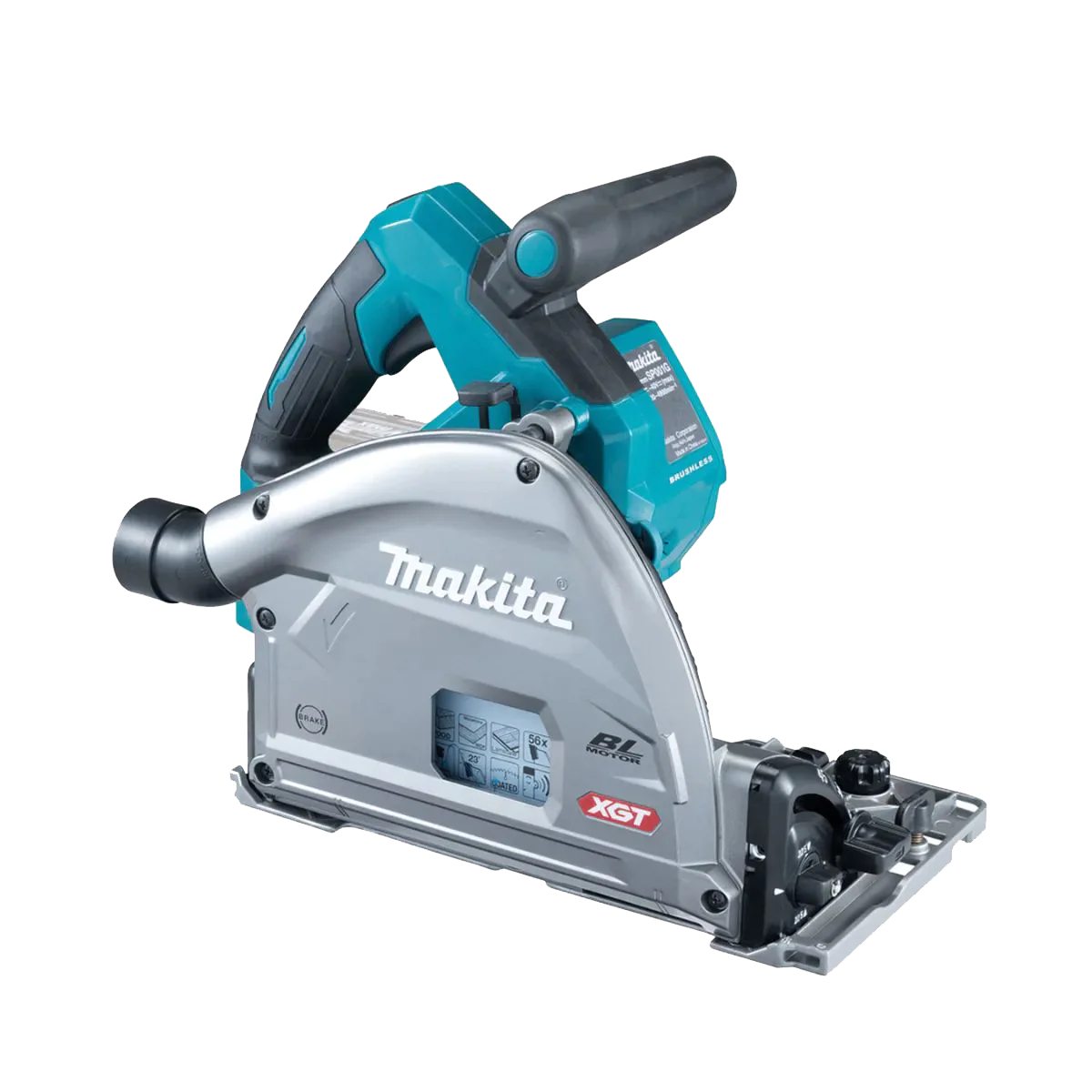
A plunge saw ensures a precise cut when working with panels, wood, laminated panels, MDF, plywood, and other sheet materials. The machine features a plunge mechanism that allows the cutting blade to smoothly enter the workpiece from above, without the need for a preliminary entry cut along the edge. This makes it easier to cut openings for sinks, cooktops, access panels, ventilation elements, and mounting parts, and when used with a guide rail, it achieves a straight and repeatable cut along the entire length.
This type of power tool is valuable in furniture manufacturing, finishing work, and the installation of kitchen countertops, paneling, doors, flooring, and interior elements. The plunge saw provides excellent control over cutting depth, the starting point, and the cut line. With the right blade, the machine cuts cleanly and reduces the risk of chipping the surface layer of the material, which is important for laminated and veneered surfaces.
Work Tasks and Materials
Plunge saws are used for straight cuts, cutting large panels, trimming doors, creating precise mounting holes, and making adjustments to already installed elements. The advantage of the plunge mechanism is the controlled start of the cut at a selected point on the workpiece. This is difficult to achieve with a classic hand-held circular saw without additional preparation.
When working with wood and wood-based panels, the focus is on a clean cut, stable guidance, and the correct choice of blade. For laminated panels, a fine cut edge is desired, while for solid wood, power, speed, and chip removal are more important. Some machines also work well with certain plastics or composite materials when equipped with the correct cutting blade and the manufacturer's specifications are followed.
Differences between models
Models differ in power, blade diameter, maximum cutting depth, angle adjustment, speed, power source, and compatibility with guide rails. For continuous workshop use, corded machines are preferred due to their constant power and lack of recharging breaks. Cordless models are practical for on-site installations, when working in different locations, and for tasks without convenient access to an electrical outlet.
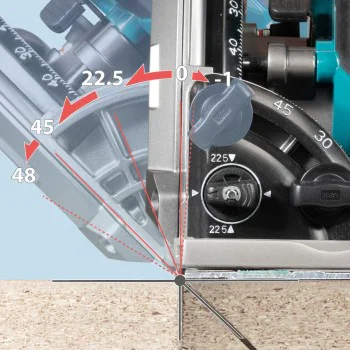
The blade diameter determines the possible cutting depth, and precise adjustment helps with shallow cuts, grooves, trimming, and working with materials of varying thicknesses. Angle adjustment is useful for bevel cuts, making parts for joints, and decorative elements. Machines with soft start, electronic speed control, and a blade brake provide more control and comfort during intensive work.
| Plunge circular saw | Application | Practical features |
|---|---|---|
| Mains | Workshop, furniture manufacturing, batch cutting | Constant power, stable performance during long cuts |
| Cordless | Installations, repair work, on-site work | Freedom of movement, easy to move between work areas |
| Compact | Fine adjustments, smaller details, confined spaces | Lighter weight, comfortable control for short cuts |
Guide rail, blade, and cut accuracy
The plunge saw reaches its full potential when used with a guide rail. The rail stabilizes the machine's movement, reduces deviations, and facilitates cutting long surfaces without additional templates. When purchasing, it is advisable to check the guide rail's length, mounting method, the presence of an anti-slip strip, and compatibility with the selected model.
The cutting blade directly affects the speed, cleanliness of the cut, and the load on the motor. Blades with more teeth are suitable for laminated and fine materials, while blades with a coarser geometry are chosen for solid wood and faster cutting. The diameter, mounting hole, cut width, and permissible RPM must match the machine. When changing materials, it is advisable to also change the blade when the task requires it.
Selection Criteria
When selecting a plunge saw, consider the type of materials, frequency of use, and required cutting depth. For furniture makers and installers, precise adjustments, a stable base, good visibility of the cutting line, and easy connection to a dust collector are valuable features. For a home workshop, the key factors are comfortable handling, reasonable weight, easy blade changes, and the availability of a guide rail or the option for additional accessories.
- Power and RPM: affect performance when cutting thicker pieces and hardwood.
- Cutting depth: depends on the thickness of the boards and the need for angled cuts.
- Rail compatibility: facilitates straight cuts and repeatability when cutting.
- Dust extraction: keeps the work area cleaner and improves visibility of the cutting line.
- Ergonomics: comfortable handles, a stable base, and balanced weight reduce fatigue.
Safety, maintenance, and consumables
When working with a plunge saw, you need a securely clamped workpiece, proper depth adjustment, and a straight cutting blade. Safety goggles, ear protection, and a dust collector ensure safe and clean operation. Allow the blade to reach operating speed before entering the material, and guide the machine evenly without applying side pressure.
Regular cleaning of the base, the guide rail, the dust chute, and the area around the blade maintains cutting accuracy. Worn anti-kickback strips, clamps, dust adapters, and cutting blades should be replaced depending on usage. This ensures the machine maintains smooth operation and delivers excellent results for every subsequent task.
Browse the available plunge saws on Toolsbox.bg and select a machine based on the material, cutting depth, need for a guide rail, and the way you work in your workshop or on-site.