
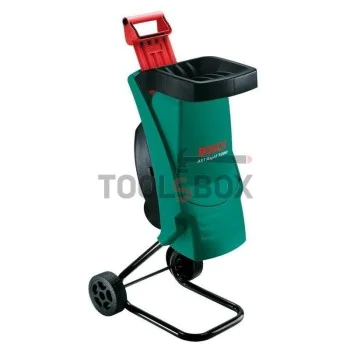
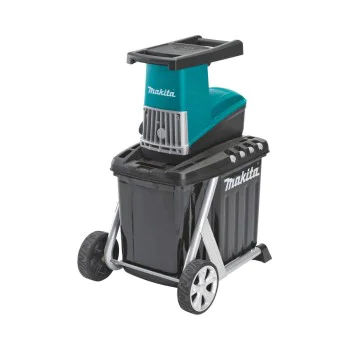
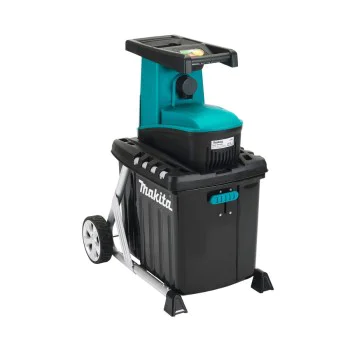
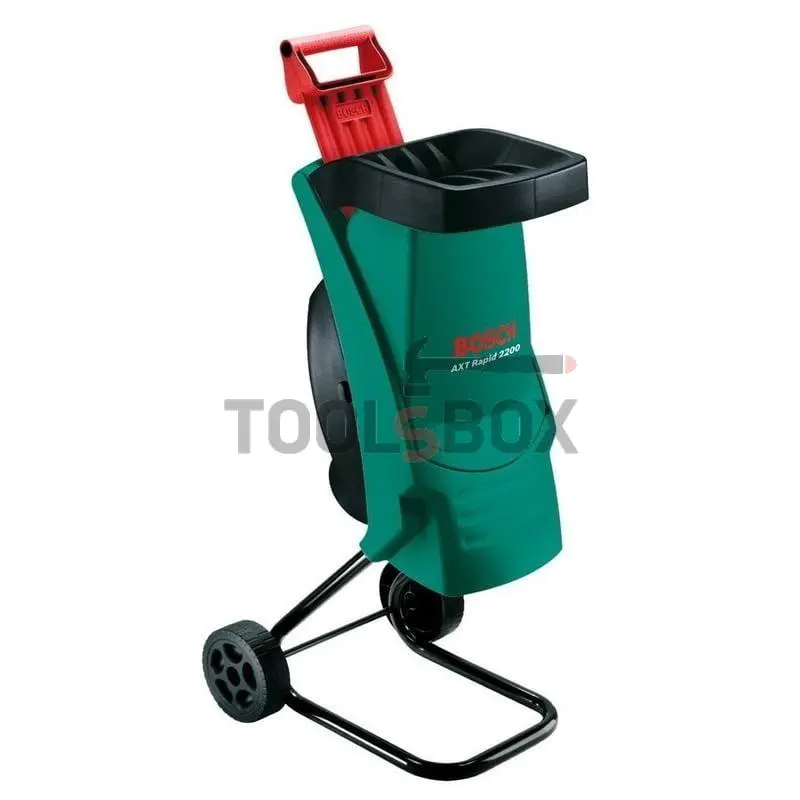
Electric branch chippers
Electric Branch Shredders for Yard and Garden Maintenance
Electric branch shredders are practical garden tools for shredding branches, shoots, shrubs, and plant debris after pruning. They reduce the volume of garden waste and prepare the material for mulching, composting, or easier removal. Their mains power supply makes them convenient for yards, vacation homes, small orchards, and home maintenance, where clean operation without a gasoline engine, fuel, or exhaust fumes is desired.
In this section, you will find models with different power ratings, cutting systems, maximum branch diameters, and methods for feeding and collecting the shredded material. Choosing the right machine depends on the type of vegetation, the frequency of pruning, and the work site. For soft green waste and thin branches, blade shredders deliver good results, while roller and cutter models handle harder and drier branches more effectively.
What tasks are electric branch shredders used for?
An electric shredder is invaluable for seasonal pruning of fruit trees, shaping hedges, clearing ornamental shrubs, and processing dry branches after storms or for yard maintenance. Instead of piling branches into heaps, the machine shreds them into small pieces that take up less space and can be reused in the garden.
The resulting material is useful for mulching garden beds, paths, and around plant bases, as it retains moisture and reduces mud splatter. The finer shavings and green trimmings are added to compost, where the smaller size accelerates decomposition. When maintaining a yard with many trees, a branch shredder saves time on cleanup and makes organization easier after pruning.
Main Types Based on Cutting System
Different electric shredders operate with different cutting or crushing mechanisms. This feature affects speed, noise, chip size, and performance with fresh or dry branches. Before purchasing, it's helpful to compare the cutting system with your actual garden tasks.
| Type of cutting system | Performance | Ideal use |
|---|---|---|
| Blade system | Cuts with rotating blades and works quickly on thinner material | Fresh twigs, green waste, shrubs, and shoots |
| Roller or mulching system | Presses and shreds the branch at lower speeds | Drier and harder branches, regular tree pruning |
| Turbine system | Combines cutting and crushing with a steady feed | Mixed garden material of varying thickness |
How to choose an electric branch shredder
The most important parameters are motor power, maximum branch diameter, type of cutting mechanism, container capacity, and method of transport. For a small yard with infrequent use, a compact machine that is easy to move and lighter in weight is sufficient. For a larger property with frequent pruning, look for a more powerful model, a sturdy frame, a wide feed opening, and a container that holds more shredded material.
- Branch diameter: compare the listed capacity with the thickness of the branches you process most often.
- Material type: Fresh, soft debris is processed differently than dry, tough branches.
- Working area: For hard-to-reach spots in the yard, wheels and a convenient handle for moving the machine are useful.
- Material collection: A container keeps the work area cleaner, while a bag saves storage space.
- Power supply: Match the length and gauge of the extension cord to the machine's power rating and outdoor conditions.
Power and load
The power of the electric motor determines how confidently the machine will handle thicker branches. Higher power helps with heavy loads, but it does not replace proper feeding and adherence to the permissible diameter. Overloading with material that is too thick or very wet leads to jams and unnecessary wear on blades, rollers, and drive components.
Chip Size and Subsequent Use
Blade shredders typically produce a finer, lighter fraction, suitable for compost and mulching. Roller models leave coarser pieces but often operate more quietly and with more consistent self-feeding. When choosing, consider where the shredded material will go-into a composter, around plants, into bags for hauling away, or for mulching garden beds.
Safety
Branch shredders operate with sharp blades or a powerful feed mechanism, so operator safety is of the utmost importance. Wear safety goggles, gloves, and sturdy shoes. Feed the material through the hopper without applying pressure with your hands in the area of the cutting mechanism. If the machine jams, disconnect it from the power source before cleaning.
Do not place stones, metal, soil, ropes, or plastic debris into the machine. These items damage the cutting parts and create a risk of flying debris. Work on a level surface and keep the power cord away from the feed area and the chip outlet.
Maintenance, Consumables, and Storage
Regular maintenance extends the life of the electric shredder and ensures consistent performance with every cut. After use, clean the housing, hopper, and container of any wet debris. For blade models, monitor the sharpness and condition of the blades; a dull blade tears the material, strains the motor, and produces coarser chips. For roller systems, it is advisable to periodically check the adjustment of the pressure plate according to the manufacturer's instructions.
Store the machine in a dry place, protected from rain and dust. Inspect cables and extension cords for damage before use. Having suitable spare blades, fasteners, and accessories on hand facilitates maintenance and reduces downtime during the active season.
Electric branch shredders at Toolsbox.bg
Choose an electric branch shredder based on the size of your yard, the type of branches, and how often you'll use it. At Toolsbox.bg, you can compare models for home and professional use, evaluate parameters such as power, cutting system, maximum diameter, and container capacity, and choose a machine that will make garden maintenance easier after every pruning session.