
Dust collectors for angle grinder
Angle grinder dust collectors for cleaner cutting and grinding
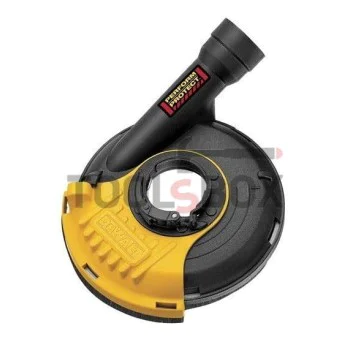
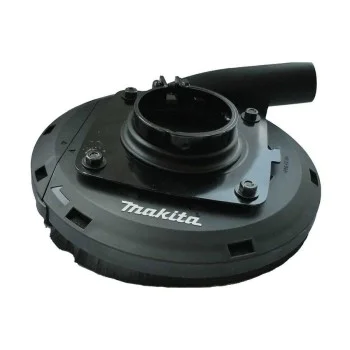
Angle grinder dust collectors attach to the machine and direct dust to a construction vacuum cleaner or dust extraction system. They are useful for dry cutting of concrete, brick, plaster, stone, ceramics, and other mineral materials, where fine particles quickly contaminate the work area, strain the operator, and obstruct visibility of the work line. A properly selected guard limits dust dispersion, protects surrounding surfaces, and makes working with an angle grinder more controllable.
This group of accessories is designed for craftsmen, installers, construction crews, service technicians, and discerning DIYers who work indoors or on sites with stricter cleanliness requirements. Angle grinder dust collectors are used for bathroom and kitchen renovations, cutting cable channels, cutting tiles, trimming concrete elements, edge grinding, and surface preparation.
Where are angle grinder dust collectors used?
When cutting building materials with a diamond blade, fine dust is released, which spreads quickly and sticks to tools, furniture, window frames, and electrical equipment. Angle grinder dust collectors direct the dust toward the suction port and reduce the need for extensive cleanup after the job is done.
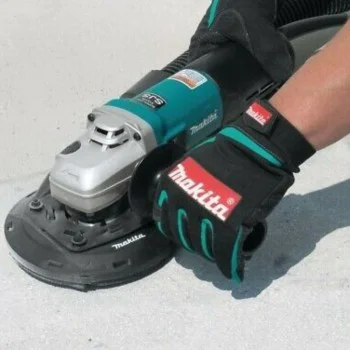
When grinding and leveling, the dust collector serves as a protective cover around the disc or cup. It helps guide the machine more steadily, as some models feature a sliding base, adjustable depth, or a brush seal around the perimeter. These features are valuable when working on walls, floors, plaster, and concrete surfaces.
Types by Application
The various dust collectors for angle grinders differ in shape, size, mounting method, and purpose. Some are designed for cutting with a diamond disc, while others are for grinding with a diamond cup or abrasive consumables. When selecting a model, you need to consider the disc diameter, the machine's guard flange, the handle position, and the connection to the vacuum cleaner.
| Type | Application | What to consider |
|---|---|---|
| Cutting guard | Makes cuts in concrete, brick, stone, and ceramic | Disc diameter, cutting depth, type of exhaust nozzle |
| Grinding guard | Leveling, smoothing, material removal | Cup diameter, brush ring, stability on the surface |
| Adjustable dust collector | Compatibility with various machines in the same class | Chuck range, adapters, fuse location |
How to choose dust collectors for angle grinders
The first criterion is compatibility with the specific angle grinder. The diameter of the cutting disc, the size of the shank, the mounting type, and the available space around the gearbox are all important factors. For 115 mm and 125 mm machines, more compact housings are used, while 180 mm and 230 mm models require larger protective housings with sufficient clearance for the disc.
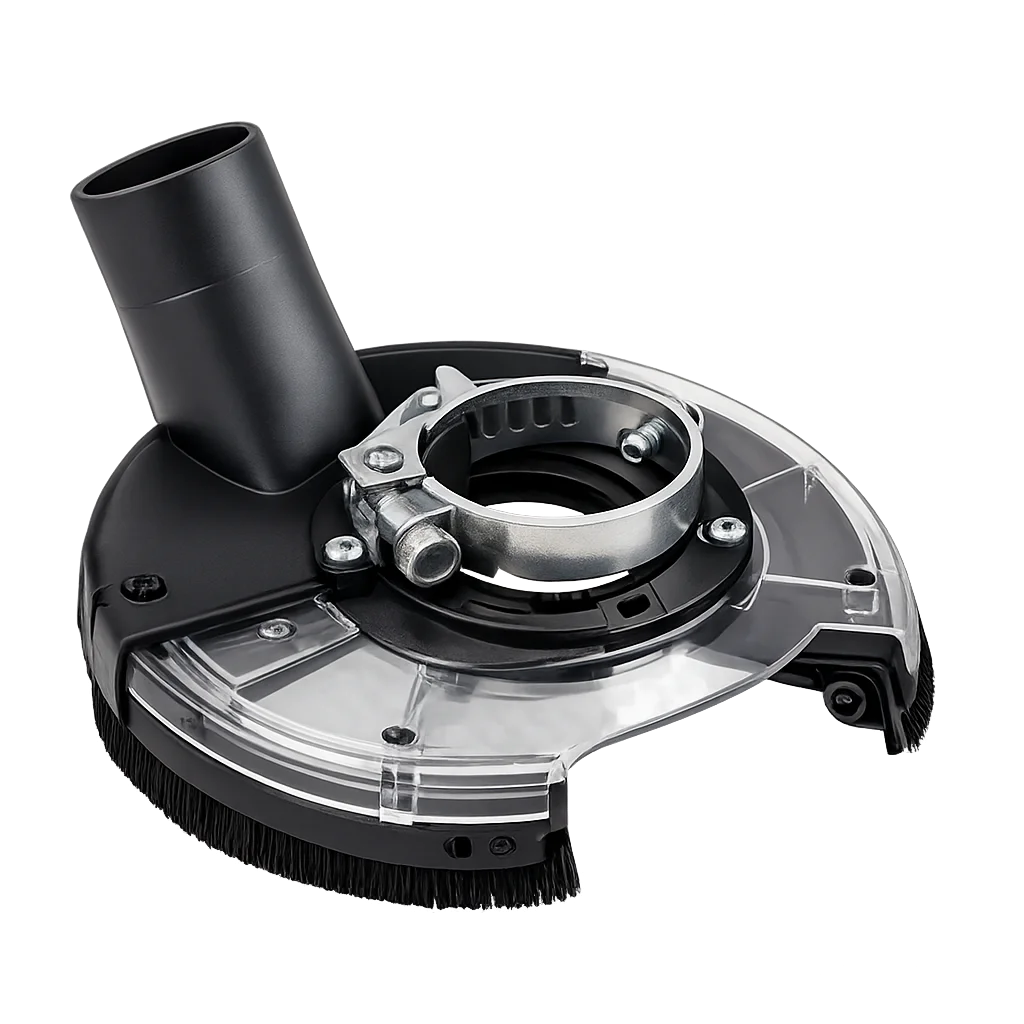
The second criterion is the connection to a vacuum cleaner. Dust collectors for angle grinders feature an exhaust nozzle to which a hose is connected. The diameter of the nozzle, its orientation, and the availability of an adapter affect the machine's maneuverability. For more intensive work, it is advisable for the vacuum system to have a filter for fine construction dust and sufficient airflow.
The third criterion is the task. For cutting channels and straight lines, depth adjustment is valuable. For grinding concrete, firm peripheral contact with the surface is useful because this keeps the dust near the work area and makes it easier to extract. When working near a wall or corner, some models have an opening segment that makes it easier to reach close to the edge.
- Disc size: depends on the angle grinder and the permissible diameter of the guard.
- Type of operation: cutting, grinding, grooving, or surface preparation.
- Material: concrete, brick, stone, tile, plaster, and other hard building substrates.
- Dust extraction connection: nozzle, adapter, hose, and compatibility with a construction vacuum cleaner.
- Control and visibility: housing shape, viewing window, guides, and sliding base.
Compatibility, materials, and safe operation
Angle grinder dust collectors must sit securely on the machine and not interfere with the rotation of the accessory. Before use, check the direction of rotation, the disc's secure fit, the tightness of the guard, and the hose's free movement. Loose fastenings or an improper diameter result in an inaccurate cut and unnecessary strain on the operator.
The housings are made of impact-resistant plastic, metal, or composite materials. Metal components provide greater durability for heavy-duty construction work, while plastic versions reduce the machine's weight. Brush seals, rubber sleeves, and replaceable adapters are components that affect dust collection and uninterrupted runtime.
Personal protective equipment remains necessary even with good dust extraction. When cutting and grinding, safety goggles, ear protection, gloves, and a dust mask should be worn. Hold the machine with both hands, and route the cord and hose so they do not get in the path of the disc.
Maintenance of dust collectors for angle grinders
Regular cleaning of the dust collector ensures effective dust extraction. After use, it is helpful to remove debris buildup around the nozzle, brush ring, and adjustment mechanisms. Worn brushes, cracked sleeves, or damaged adapters should be replaced promptly, as even small gaps reduce suction performance.
Angle grinder dust collectors are a practical addition to equipment for construction, repair, installation, and maintenance work. At Toolsbox.bg, you'll find models for various disc diameters, applications, and ways to connect to a vacuum cleaner. Browse the selection and choose a dust collector that matches your machine, consumables, and type of work.