
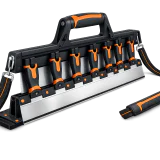
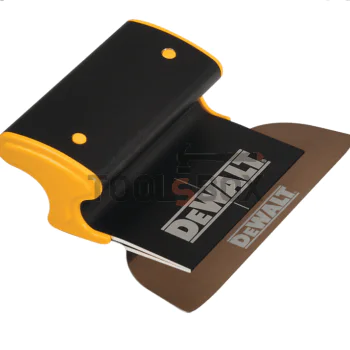
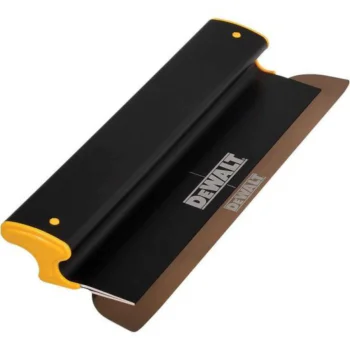
Knives for plastering
Putty knives for precise preparation of walls and ceilings
Putty knives are among the most practical hand tools for repair, construction, and finishing work. They are used for applying, spreading, and smoothing joint compound, putty, caulk, and other paste-like materials on walls, ceilings, corners, joints, and small surface defects. A properly selected putty knife facilitates even distribution of the material, reduces edge marks, and provides better control during fine adjustments.
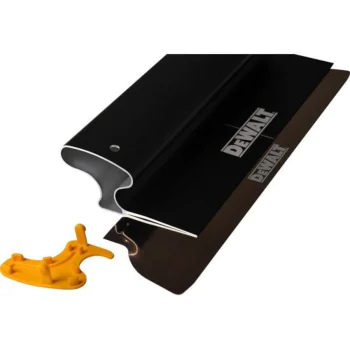
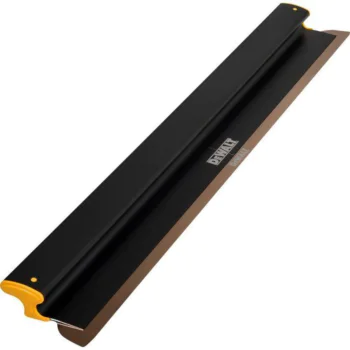
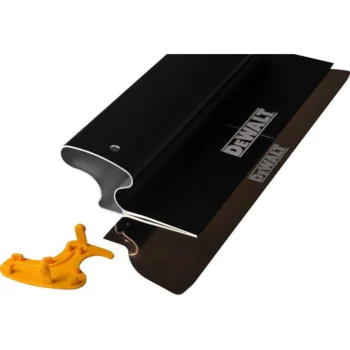
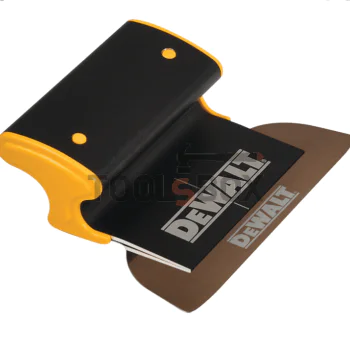
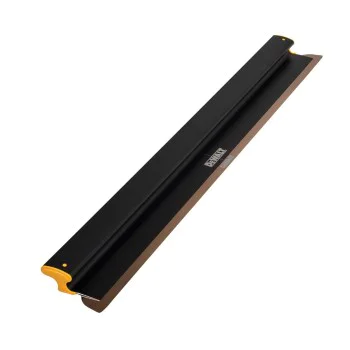
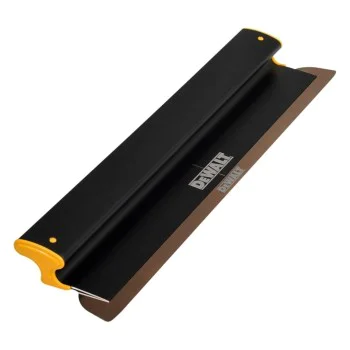
This section covers models for professionals, construction crews, service technicians, and discerning DIYers. The trowels differ in blade width, flexibility, material, handle shape, and intended use. Narrower models are convenient for filling cracks and working in confined spaces, while wider ones are used for smoothing larger areas and the final finishing of the layer.
Applications in repair, construction, and finishing work
Putty knives are used to prepare the surface before painting, hanging wallpaper, applying decorative coatings, or performing finishing operations. They are useful when working with gypsum putty, acrylic filler, finishing compounds, wood fillers, and repair fillers. For finer work, the knife should glide evenly across the surface without leaving deep lines or trapping excess material.
- Filling cracks and small holes-the narrow blades provide precise control over the amount of mixture.
- Joint finishing-medium widths are practical for drywall, repair panels, and transitions between materials.
- Fine finishing-flexible blades help achieve a smooth finish with thin layers.
- Removing residue-stiffer blades can be used to clean old spackle, dried putty, or small deposits.
- Working in corners and edge areas-the compact size makes it easy to access areas around door frames, baseboards, outlets, and pipes.
Types of putty knives based on blade and handle
Putty knives are selected based on the type of mixture, the size of the area, and the desired finish. Stainless steel blades are preferred for wet mixtures and are easier to clean after use. Carbon steel models often have good hardness but require more thorough drying. A flexible blade is convenient for finishing, while a stiffer one provides stability during filling and scraping.
| Knife Type | Practical use | What to look for |
|---|---|---|
| Narrow knife | Cracks, small holes, edges, and tight spaces | Good grip and a sharp blade tip |
| Medium knife | Joints, repair patches, and general filling | Straight edge and moderate flexibility |
| Wide blade | Smoothing larger areas and applying the final coat | Stable blade without twisting |
| Flexible blade | Thin finishing compounds and smooth application | Flexibility and a smooth working surface |
How to choose the right tool for your task
When choosing a putty knife, start with the size of the area and the nature of the repair. Small touch-ups require a shorter, more controllable blade, while walls and ceilings are easier to work on with a wider tool. Putty knives with a more flexible blade are suitable for a thin layer, while stiffer models are practical for thicker mixtures and filling in unevenness.
- Blade width-a narrower blade offers precision, while a wider one covers more area with a single stroke.
- Material-stainless steel is easy to clean and moisture-resistant; carbon steel is valued for its hardness.
- Flexibility-a flexible blade follows slight unevenness, while a rigid one retains its shape under pressure.
- Handle-the ergonomic shape reduces fatigue during prolonged use and improves control.
- Blade edge-a smooth, straight, and well-finished edge produces a cleaner cut.
- Compatibility with the mixture-finer materials require smooth gliding, while dense fillers are applied better with a more stable blade.
Care, safe operation, and longer tool life
Putty knives stay in good condition when cleaned regularly right after you finish working. Dried-on compound on the edge disrupts smooth application and leaves marks on the surface. After washing, the tool should be dried, and the blade should be stored so that it does not bend or hit other tools in the case.
When working with harder fillers or removing old materials, use moderate pressure to prevent the blade from deforming. Protective gloves protect your hands from sharp edges, rough surfaces, and contact with construction mixtures. A clean handle provides a more stable grip, which is especially useful when working overhead, around corners, and in areas with limited visibility.
Putty knives at Toolsbox.bg
At Toolsbox.bg, you can choose a knife tailored to your specific task-from minor home repairs to daily work on a job site. Solutions are available in various widths, blade hardnesses, and handle types to combine control, a comfortable grip, and a clean finish. With the right putty knives, preparing walls and ceilings becomes more precise, and the finishing coats are applied more evenly.
Browse the options in this section and choose a tool that suits your work style, the materials you use, and the scale of the renovation.