
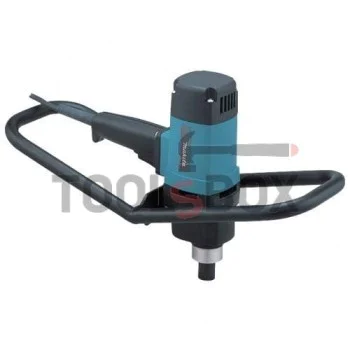
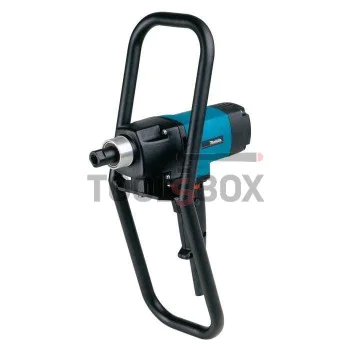
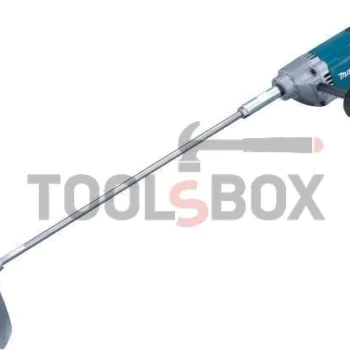
Stirrer for paint
Paint Mixer - for evenly mixing paints, primers, and coatings
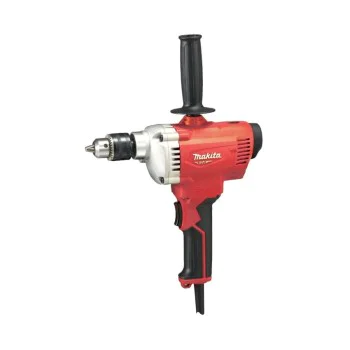
A paint mixer is a practical mixing attachment for homogenizing liquid and paste-like materials during painting, repairs, finishing work, and surface preparation. It attaches to a drill, a screwdriver with sufficient torque, or a construction mixer and facilitates achieving a uniform consistency without manual stirring with a stick or putty knife. A properly selected paint mixer reduces uneven coloring, pigment settling, and the formation of lumps, which is particularly valuable for latex, exterior paints, varnishes, impregnating agents, primers, and decorative coatings.
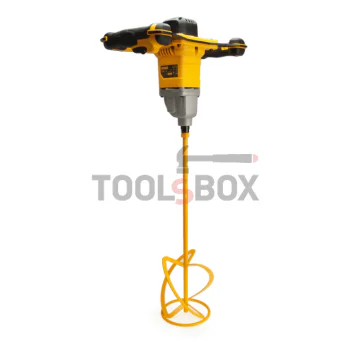
Mixing attachments vary in the shape of the working part, diameter, length, grip, and material. Smaller models are suitable for buckets, cans, and limited quantities of paint, while larger versions are used when working with more viscous mixtures or larger containers. At Toolsbox.bg, you can find options for home renovations, painting crews, construction sites, and workshops where mixing needs to be fast, clean, and consistent.
Where a paint mixer comes in
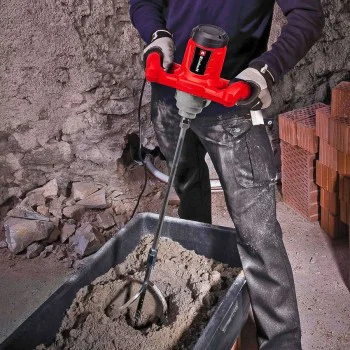
A paint mixer is used to prepare materials before application with a roller, brush, spray gun, or trowel. With pigmented paints, mixing distributes the colorants evenly; with primers and impregnating agents, it restores uniformity after standing; for decorative coatings, it prepares the mixture for a smooth finish. For varnishes and protective coatings, gentle mixing helps reduce air bubbles that may remain visible after application.
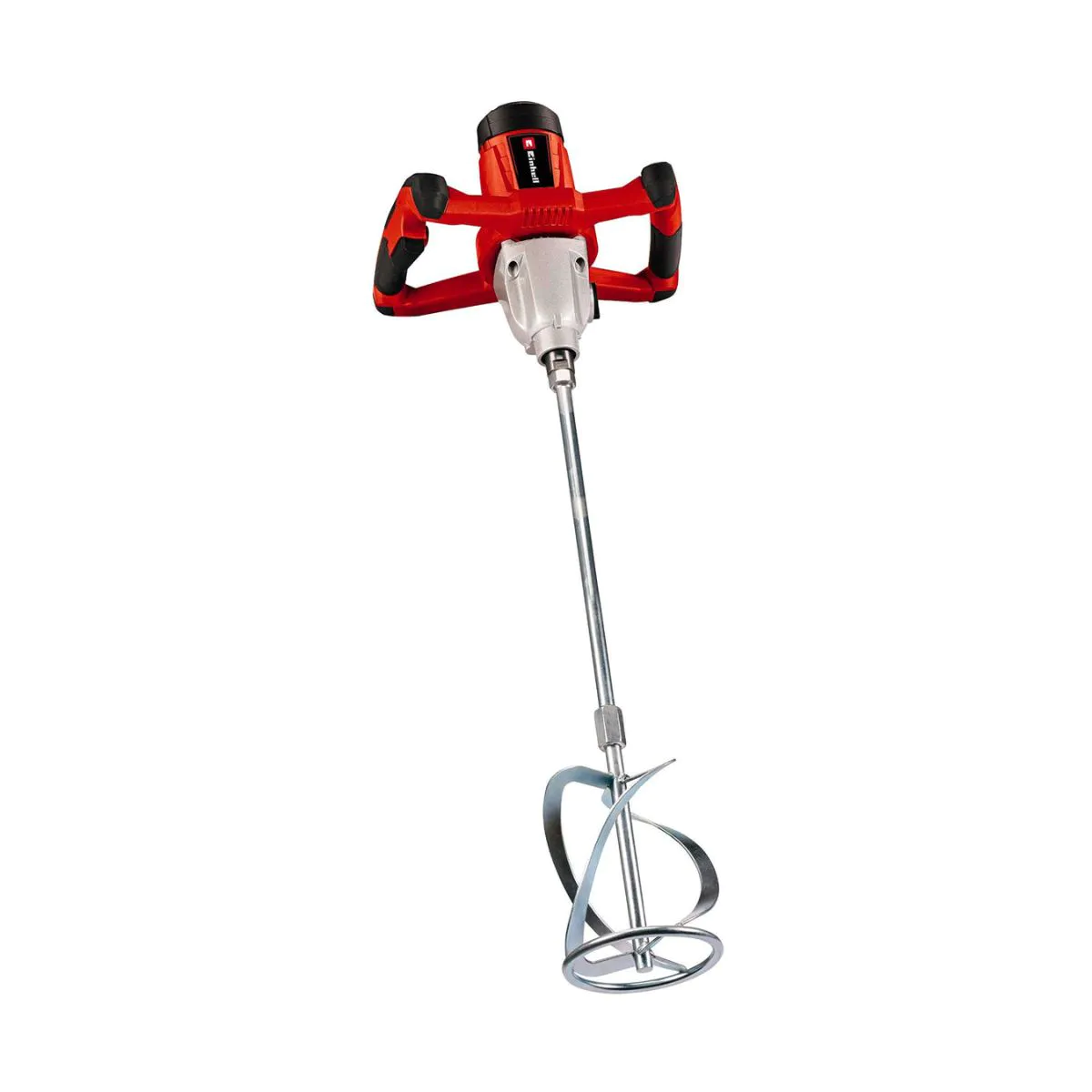
This type of attachment is also valuable when mixing lighter construction mortars, provided the material manufacturer allows for mechanical mixing at low speeds. For heavy adhesives, fillers, plasters, and cement mixtures, a more robust mixer attachment for a powerful construction mixer is typically required. This protects the machine and ensures the mixture is processed without overloading the shaft and drive.
Types of Paint Mixers and Differences Between Them
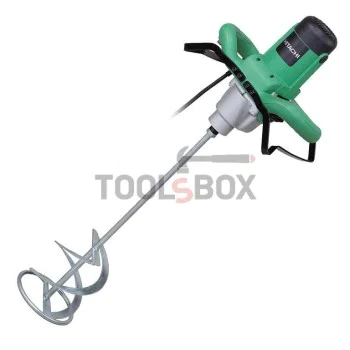
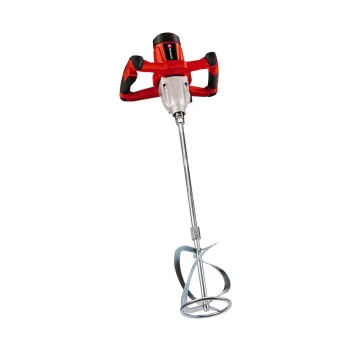
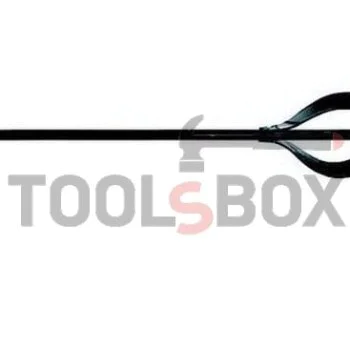
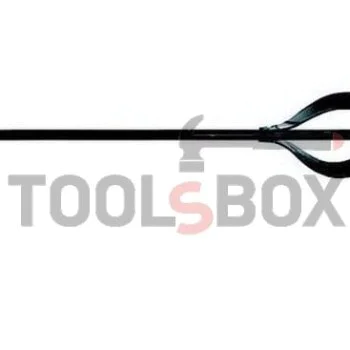
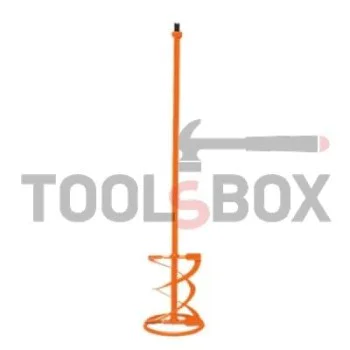
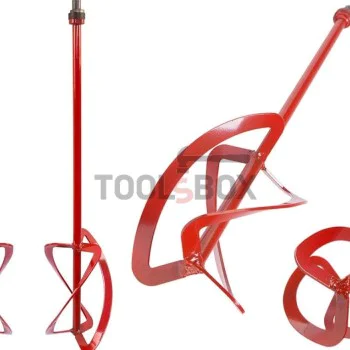
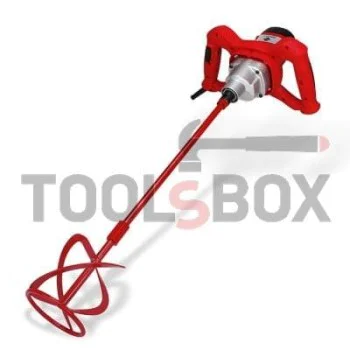
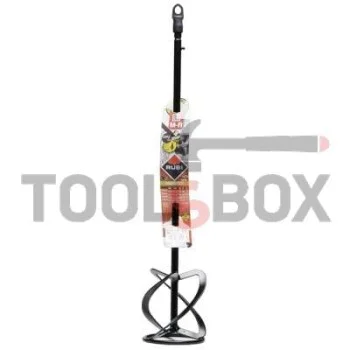
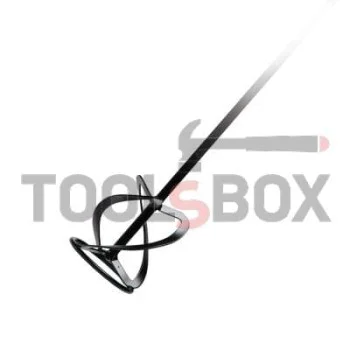
The shape of the working part determines the movement of the material in the container. Spiral models direct the mixture upward or downward and are suitable for various consistencies. Paddle-type variants mix more gently and are preferred for thinner paints, varnishes, and primers, where excessive agitation is undesirable. The diameter affects the volume processed per rotation, and the length of the shaft determines ease of use when working in deep buckets.
| Attachment type | Materials | Practical tip |
|---|---|---|
| Spiral | Latex, exterior paint, thicker coatings | Good for evenly distributing the mixture in the bucket |
| Paddle | Varnishes, primers, impregnating agents, thinner paints | Operates more smoothly and reduces splashing at low speeds |
| Small diameter | Boxes and small containers | Convenient for precise quantities and repairing individual rooms |
| Large diameter | Larger volumes and thicker mixtures | Requires a machine with sufficient torque |
Criteria for selecting a paint mixer
When selecting a paint mixer, it is advisable to consider the material to be mixed, the container, the machine's power, and the type of attachment. For thin latex or primer, an overly large mixing head is not necessary, as it creates excessive turbulence and splashing. For thicker coatings, a larger diameter and a sturdy shaft ensure more uniform mixing, provided the machine is not overloaded.
- Diameter: smaller for cans and small quantities, larger for buckets and thicker materials.
- Length: a longer shaft is convenient for deep containers and working without bending over.
- Mounting: matches the machine's chuck or spindle-for example, cylindrical shank, HEX, or M14 for the respective models.
- Shape: spiral for more active mixing, paddle for more liquid materials and smoother movement.
- Material and coating: steel with a good anti-corrosion coating makes cleaning easier after working with water-soluble paints.
Machine compatibility and safe operation
A paint mixer must fit the machine it will be used with exactly. For a drill, check the maximum allowable chuck diameter and the machine's ability to maintain low RPMs. For a construction mixer, consider the spindle thread, most commonly M14 on many models for construction mixtures. Low speeds are preferred for paint materials because they limit splashing and the introduction of air into the mixture.
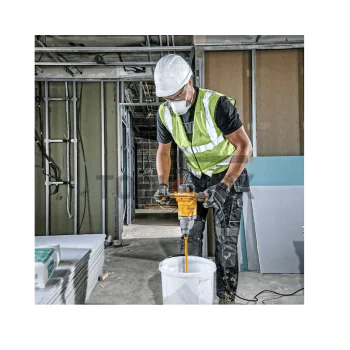
For clean and safe operation, the container must be stable, and the attachment should be submerged in the material before starting the machine. It is best to increase the speed gradually, without sudden movements against the sides of the bucket. After mixing is complete, the paint mixer should be washed immediately if using water-soluble materials, or cleaned with a suitable thinner for varnishes and special coatings. Dried-on residue alters the balance of the attachment and may leave particles in the next mixture.
Paint stirrer for professional and home use
For home use when painting a room, refinishing furniture, or priming walls, a compact paint mixer with a convenient attachment for a standard drill is often sufficient. For professional use in regular renovations, construction sites, and working with large quantities of material, sturdier models with a larger diameter that are compatible with construction mixers are more practical. If you frequently switch between materials, it's helpful to keep separate attachments for white paints, colored coatings, varnishes, and primers to avoid unwanted contamination.
Browse the options at Toolsbox.bg and choose a paint mixer based on the type of mixture, the volume of work, and the machine you have available. This way, paint preparation becomes more organized, the application result is more even, and time spent on repairs or finishing work is used more efficiently.