
Rollers for painting
Paint rollers for even application on walls, ceilings, and facades
Paint rollers are used for applying latex, exterior paints, primers, varnishes, wood stains, and other coatings to large and small surfaces. They speed up the work, leave a more even coat, and reduce brush marks compared to using a brush alone. A properly selected roller facilitates painting on smooth walls, textured plaster, ceilings, wooden elements, metal surfaces, and hard-to-reach areas around corners, pipes, or window frames.
In painting projects, the choice of roller directly affects coverage, paint consumption, and the final appearance of the finish. Key factors include pile length, roller material, width, diameter, handle type, and compatibility with the paint being used. For professional painters, this saves time on large projects, and for home use, it ensures a cleaner, more controlled paint job without unnecessary strain.
What Do Painting Rollers Include?
This category includes various rollers, handles, mini rollers, tray sets, telescopic solutions, and specialized models for specific coatings. Standard rollers with a wider width are convenient for walls and ceilings where high productivity is needed. Mini rollers are used around outlets, door frames, radiators, furniture, baseboards, and tight spaces. Exterior models are designed for rougher surfaces, where the roller must pick up enough material and reach uneven areas.
Rollers differ in fabric, density, and fiber length. Short-pile rollers work well on smooth, spackled walls, drywall, and fine surfaces. Medium pile is a practical choice for standard interior walls and ceilings. Long pile covers textured plaster, facades, concrete, brick, and other uneven surfaces more easily. Foam, microfiber, polyacrylic, polyamide, and velour behave differently when used with water-based paints, varnishes, or primers, so the roller material must be matched to the coating.
Main applications in renovation and finishing work
Paint rollers are used for refreshing homes, painting offices, commercial spaces, garages, warehouses, and workshops. For interior painting, a smooth and clean finish without splatters or visible streaks is desired. For facades and exterior walls, the roller must hold more paint and withstand a rougher texture. When varnishing wood, models that leave a thin and even layer without retaining too much material are preferred.
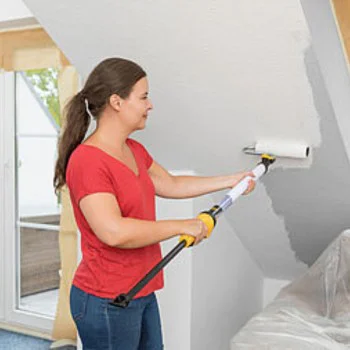
For priming, rollers with good absorbency are used, as the primer must be spread evenly over the entire surface. For decorative finishes, the choice of roller affects the texture and visual effect. When working on ceilings, a comfortable handle and the ability to attach an extension pole reduce strain and help ensure smooth, even application.
How to choose a roller based on the paint and surface
For latex and interior paints, microfiber or synthetic textile rollers are typically preferred, as they hold enough paint and release it smoothly. For smoother surfaces, a roller with shorter nap is recommended because it leaves a finer texture. For rough plaster, concrete, or exterior spackling, the longer pile reaches into the crevices, resulting in a denser finish.
For varnishes, stains, and fine finishes, velour or foam rollers are used when a thin, even surface is required. For aggressive solvents, a compatible roller is needed that does not disintegrate or change shape during use. For water-based paints, the roller must be easy to clean and must not shed fibers into the coating.
Roll width and size
Wide rollers cover large areas faster but require more control and consistent pressure. Narrower models are convenient for detailed work, in niches, around doors, windows, and furniture. Mini rollers provide good precision for small touch-ups, painting pipes, baseboards, railings, and narrow areas. The roller's diameter affects the amount of paint it holds and how smoothly it glides across the surface.
Pile length and finish
Short pile leaves a smoother finish and reduces texture on the wall. Medium pile is a versatile choice for most interior projects. Long pile is needed for uneven and porous surfaces, where the paint needs to penetrate deeper into the structure. For fine lacquer finishes, excessively long pile is not suitable because it holds too much material and creates a rougher layer.
Compatible accessories and ease of use
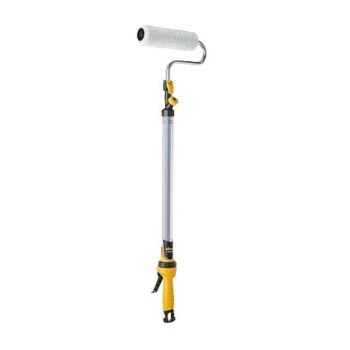
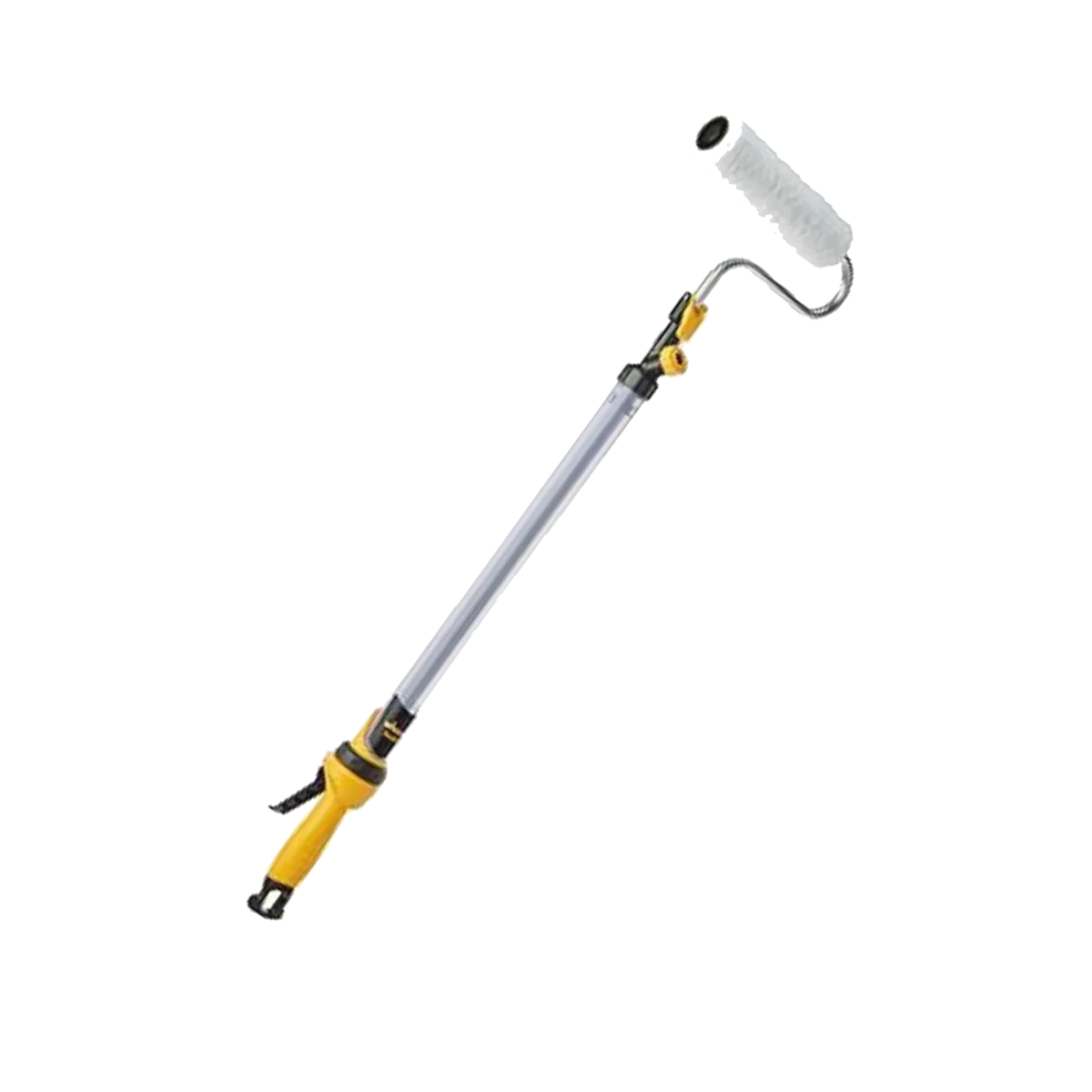
A good roller handle should sit firmly in the hand, allow for even pressure, and hold the roller without wobble. When working at height, a telescoping handle is practical for ceilings and upper wall sections, reducing the need to constantly move the ladder. Paint trays and drip trays help control the amount of paint on the roller, which limits drips and uneven areas.
When changing colors or types of paint, it is best to thoroughly clean the roller or replace it. Residues of old paint, dried particles, or dust can leave marks on the new coat. For more precise work around edges, combine a roller and a paintbrush, while for large areas, the roller remains the primary tool for quick and even coverage.
Practical purchasing criteria
- Type of paint: latex, exterior paint, primer, varnish, wood stain, or decorative finish.
- Substrate type: smooth spackle, drywall, plaster, concrete, wood, or metal.
- Bristle length: short for smooth surfaces, medium for standard walls, long for textured surfaces.
- Size: wide roller for large areas, narrow or mini roller for details.
- Handle and extension: comfortable grip and compatibility with a telescopic handle for working at height.
- Cleaning: material that allows for easy washing with water-based paints or proper maintenance with solvents.
Maintenance and safety when painting
Before use, the roller must be clean, dry, and free of loose fibers. New rollers can be lightly rubbed by hand or rinsed, depending on the type, to remove small particles. During painting, the roller should not be overloaded with paint; evenly draining it into a tray results in a cleaner coat and fewer splatters.
After finishing the job, water-based paint rollers should be washed with water until all residue is removed. For solvent-based varnishes and coatings, use the appropriate cleaning agent specified by the paint manufacturer. Storing the roller in a dry place prevents deformation and extends its service life. When working indoors, ventilation, protective gloves, and covering the floor and furniture keep the work area clean and safe.
Browse the selection of paint rollers at Toolsbox.bg and choose a model based on the paint, surface, and scope of your upcoming project. This way, the preparation, application, and final finish of the coating will be better controlled from the first to the last coat.