
Pneumatic riveters
Pneumatic riveters for precise and fast riveting
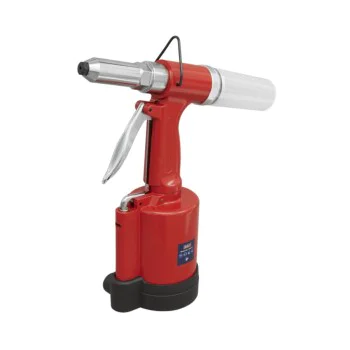
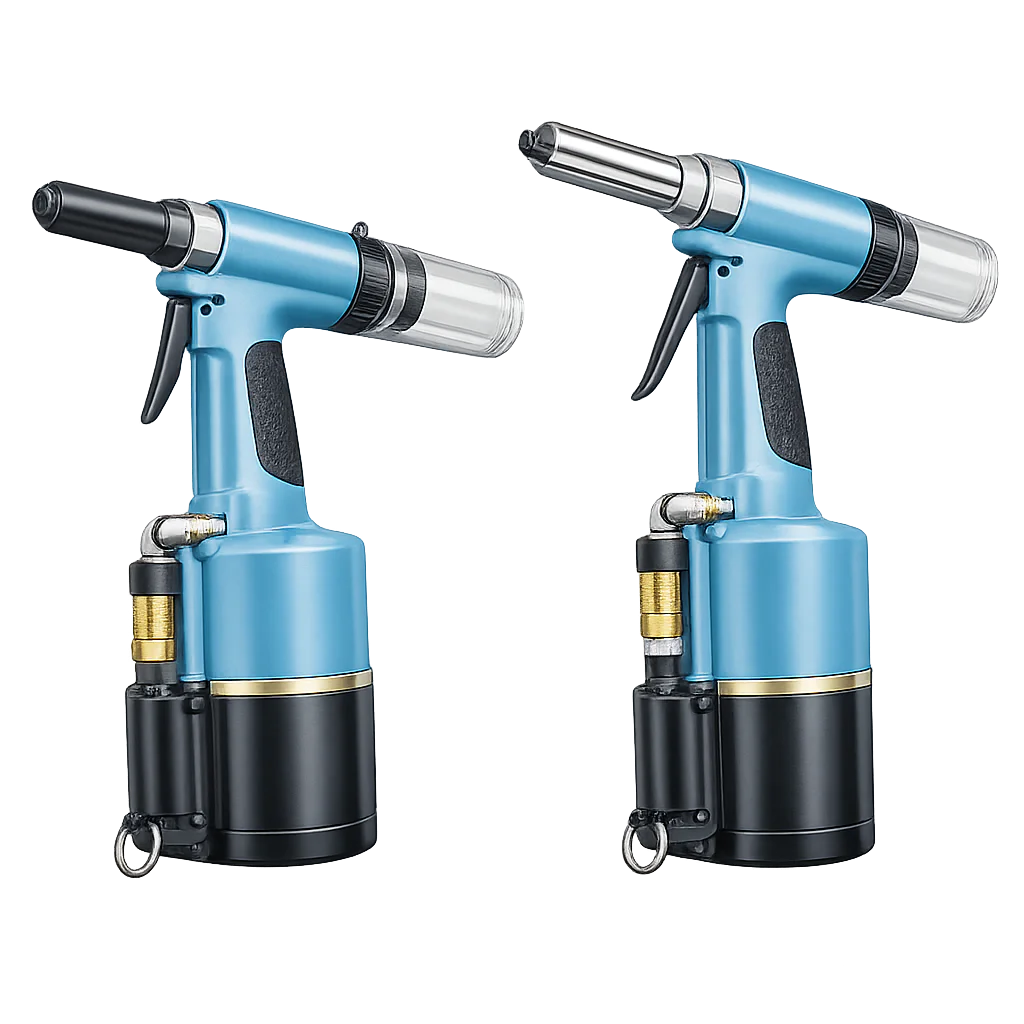
Pneumatic riveters are tools for mechanically joining parts using pop rivets, rivet nuts, or similar fasteners, depending on the specific model. They operate using compressed air and reduce manual effort during mass riveting, repair work, and the installation of sheet metal components, profiles, housings, cladding, and metal structures. Compared to manual riveters, the pneumatic drive provides a more consistent pulling force, a faster work cycle, and less fatigue during prolonged work in a service center or workshop.
This type of pneumatic tool is valued for tasks where the joint must be tight, cleanly executed, and repeatable. When working with thin-walled metal sheets, aluminum profiles, steel strips, or plastic panels, a properly selected riveter reduces the risk of deformation around the hole and facilitates the even placement of the fastener.
Applications of pneumatic riveters
Pneumatic riveters are used in the manufacture and repair of metal products, automotive maintenance, installation of ventilation ducts, assembly of panels, cabinets, lightweight structures, and various sheet metal components. They are valuable in situations where access to the back of the part is limited, and bolt-and-nut fastening is impractical.
- Auto repair shops and body shops-fastening panels, sills, trim strips, and cladding.
- Metalworking and manufacturing-mass installation of rivets on housings, racks, profiles, and boxes.
- Construction and installation work-working with sheet metal, ventilation, facade elements, and light metal structures.
- Workshop and home maintenance-repair of metal furniture, fences, shelving, doors, lids, and accessories.
Types of pneumatic riveters and main differences
The different models vary in pulling force, stroke length, rivet sizes, fastener type, weight, housing shape, and method of ejecting the sheared mandrel. Some tools emphasize compact dimensions for tight spaces, while others focus on higher force for steel or stainless steel rivets with larger diameters.
| Tool Type | Main application | Practical Focus |
|---|---|---|
| Pneumatic pop riveters | Joining sheet metal, profiles, and panels | Fast cycle and clean mandrel break-off |
| Pneumatic riveters for rivet nuts | Creating a threaded hole in thin material | Force control and proper tightening of the nut |
| Compact models | Operation in confined spaces | Easier positioning and lower weight |
| Models with a mandrel container | Batch riveting in a service center or workshop | Cleaner work area and fewer interruptions |
Criteria for selecting a pneumatic riveter
Pneumatic riveters are selected based on the type of fastener, material, and load on the joint. Aluminum pop rivets typically require less force, while steel and stainless steel rivets require a more powerful tool and a steady air supply. The diameter of the rivets is one of the key parameters-since multiple sizes are often used, the set of tips and the clamping range are of direct importance.
- Compatibility with the fastener-check the rivet diameter, the mandrel length, and the material of the fastener.
- Operating pressure and air consumption-the compressor must provide sufficient flow rate for a continuous riveting cycle.
- Pulling force-a higher value is required for hard materials and larger diameters.
- Ergonomics-weight, grip, and trigger directly affect comfort during long runs.
- Access to the installation area-the length of the nose and the shape of the body are important when working near edges, corners, and profiles.
Compatibility with compressor and air line
Pneumatic riveters operate correctly only with stable pressure and clean air. For normal operation, a suitable hose, quick-connect fittings with sufficient flow rate, and a pressure regulator are required. The moisture trap and lubricator, when provided for the respective pneumatic system, support the smooth operation of the mechanism and reduce wear on the internal seals.
In continuous riveting, a small compressor with a limited receiver depletes the air supply more quickly, leading to a drop in tool power. For production and service tasks, it is advisable to size the air line according to the number of cycles and the air consumption of the specific riveter.
Materials, Fasteners, and Consumables
The quality of the joint depends on the proper combination of tool, rivet, and material. Aluminum rivets are lightweight and suitable for thin sheets, steel rivets provide a stronger bond, and stainless steel rivets are preferred in environments with moisture or a risk of corrosion. With rivet nuts, pay attention to the thread, the body shape, and the crimping area, as these determine how well the nut holds in the hole.
Pneumatic riveters with a set of interchangeable tips offer flexibility when working with different diameters. The tips must be kept clean, and the gripping jaws should be inspected periodically, as their wear leads to the mandrel slipping and incomplete rivet placement. The mandrel container, if available, should be emptied regularly so as not to obstruct the airflow and the movement of the mechanism.
Safe Operation and Maintenance
When riveting, wear safety goggles because the mandrel breaks off abruptly and small particles may fly out of the work area. Secure the parts firmly, drill the hole to the exact diameter, and position the rivet perpendicular to the surface. An incorrect angle strains the jaws and leads to uneven shrinkage.
Regular cleaning of the nose piece, lubrication according to the manufacturer's instructions, and checking the air connections extend the tool's service life. If there is a loss of power, uneven riveting, or difficulty removing the mandrel, it is advisable to inspect the jaws, the nozzle, the pressure, and the condition of the hose.
Selecting pneumatic riveters for workshops, service centers, and assembly
Pneumatic riveters from the Toolsbox.bg range cover a variety of tasks-from periodic repairs to more intensive riveting in service and manufacturing environments. Browse the available models, compare their specifications with the fasteners you work with, and choose a tool that suits your compressor, materials, and frequency of use.