
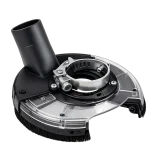
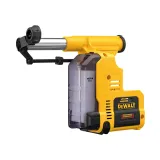
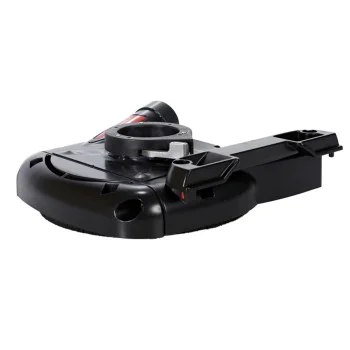
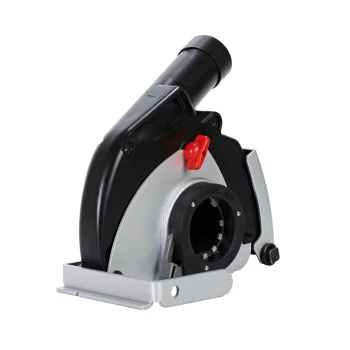
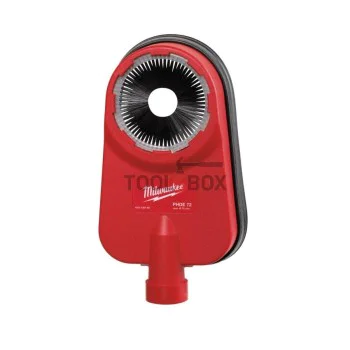
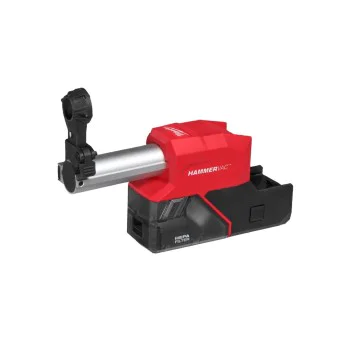
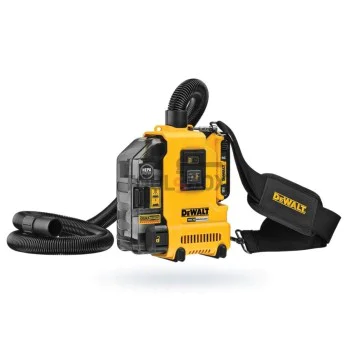
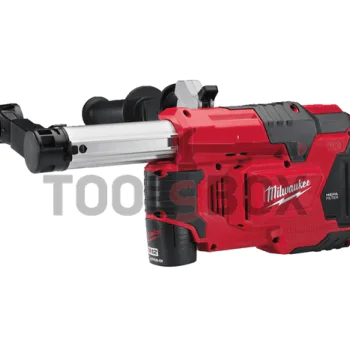

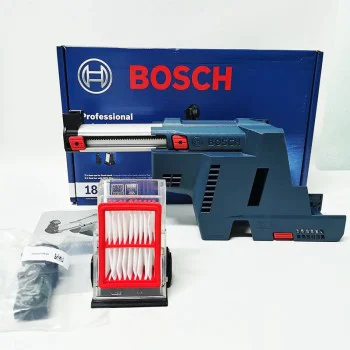
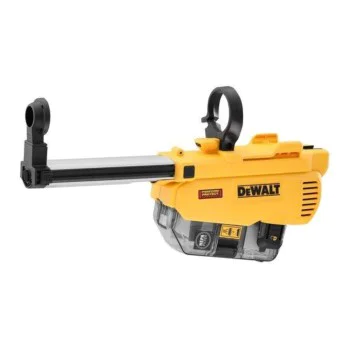
Dust collectors
Dust extractors for clean work when sanding, cutting, and drilling
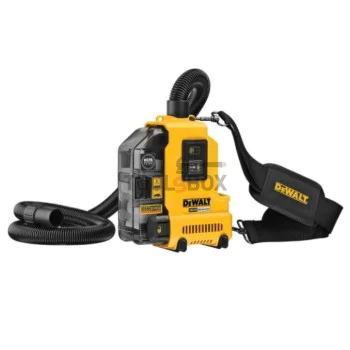
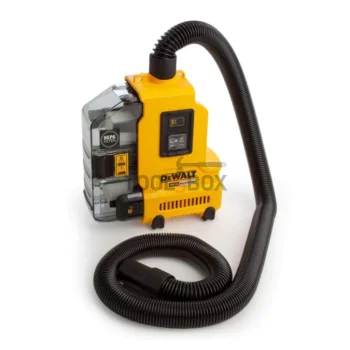
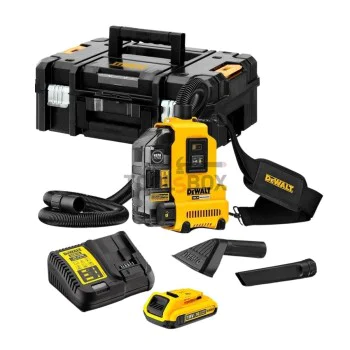
Dust collectors are practical machines for capturing fine dust, shavings, and dry debris directly while working with power tools, bench machines, or workstations. They are a valuable part of cleaning equipment for workshops, service centers, construction sites, and home garages because they limit the spread of dust in the air and keep the work area tidier. When sanding wood, cutting panels, drilling into masonry, or machining parts, dust strains the operator, contaminates equipment, and impairs visibility. A well-chosen dust collection system makes work more comfortable and protects machines and consumables.
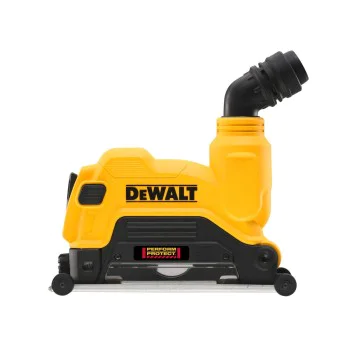
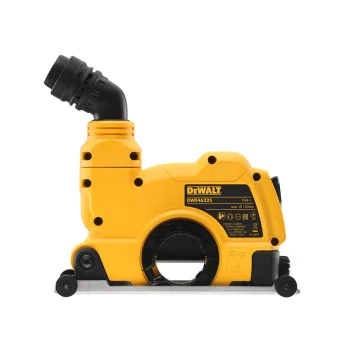
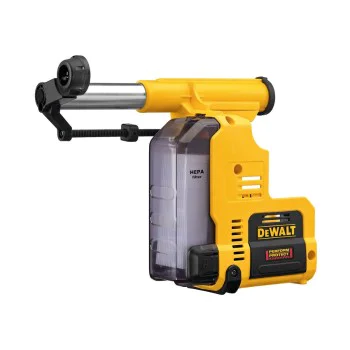
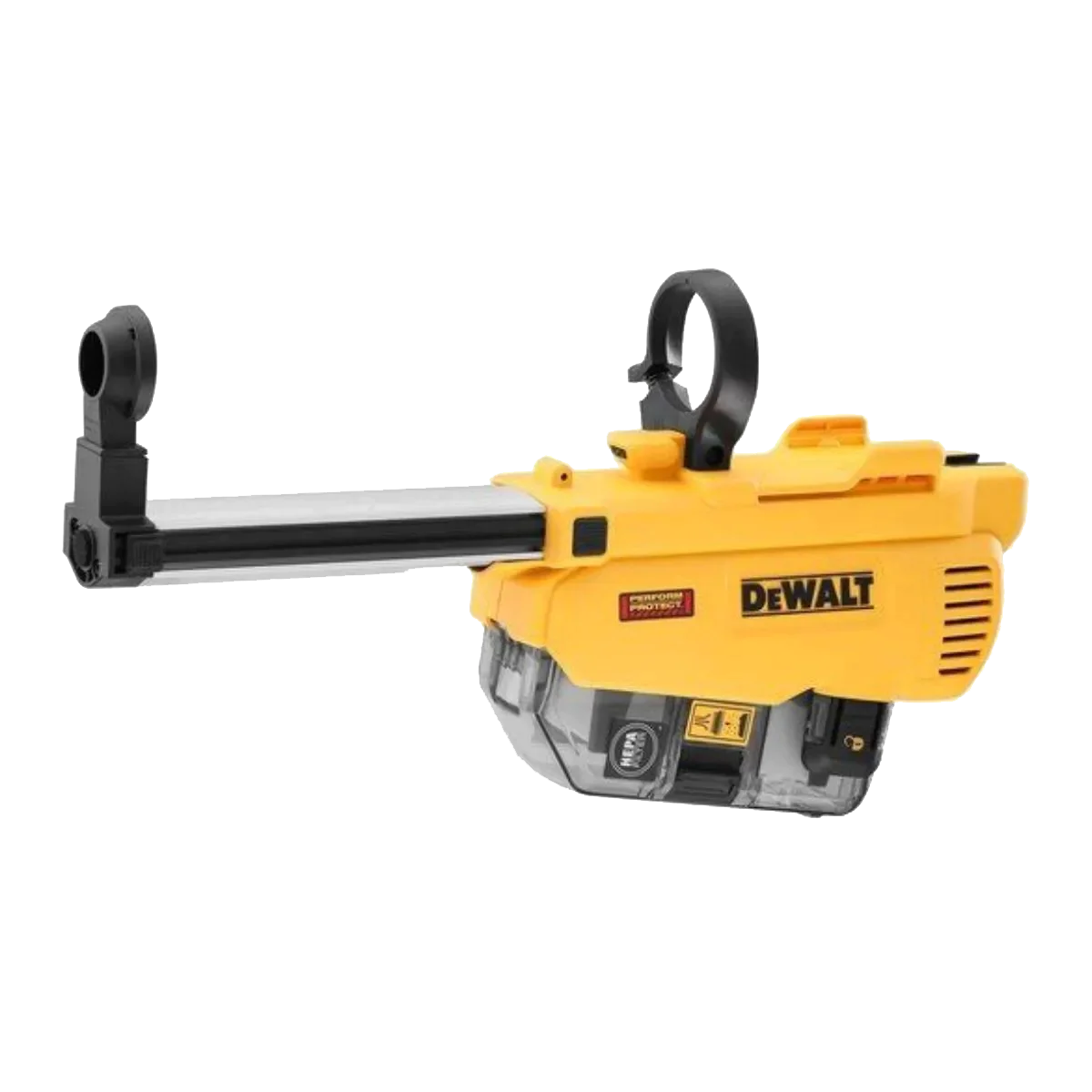
In this section, you will find dust collectors for various types of applications-from compact units for mobile use to more powerful models for workshop equipment. Some are designed for use with handheld power tools, while others are used with circular saws, grinders, routers, planers, sanders, or other woodworking machines. They differ in flow rate, power, container or bag capacity, filtration system, hose inlet size, mobility, and filter cleaning method.
Where They Are Used: Dust Collectors
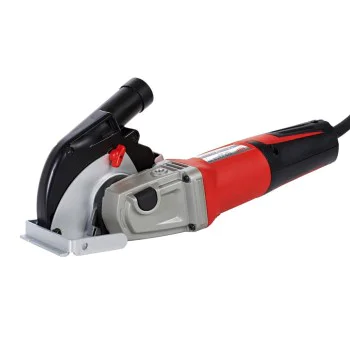
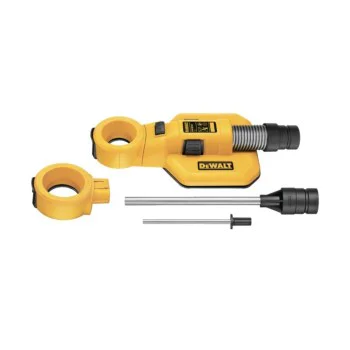
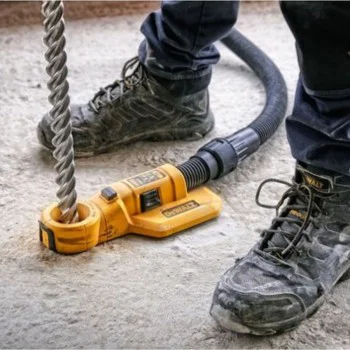
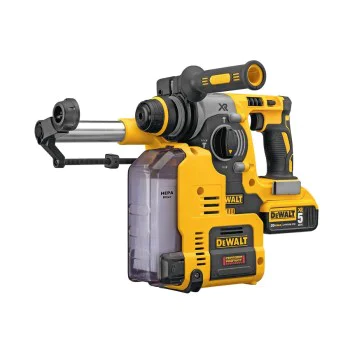
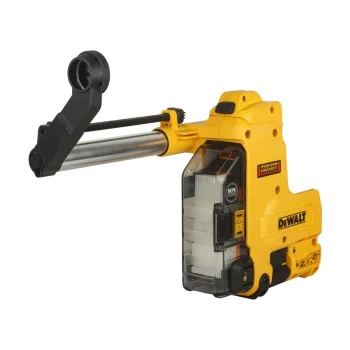
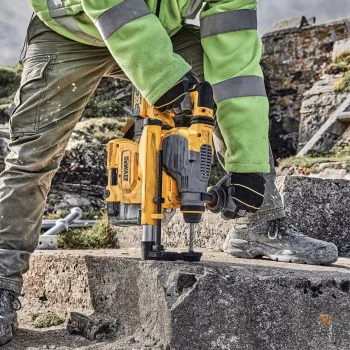
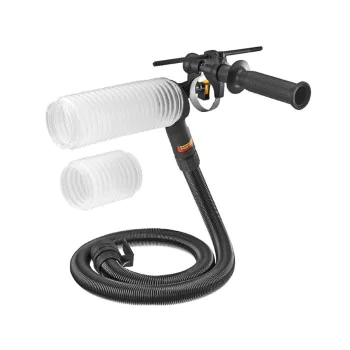
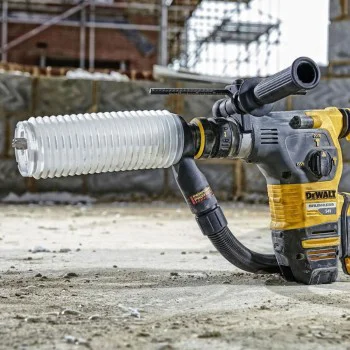
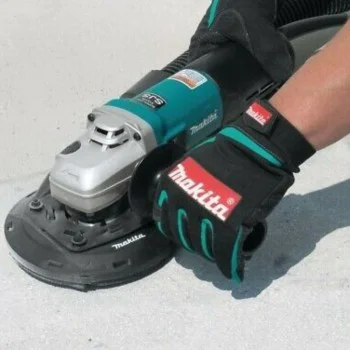
Dust collectors are used wherever fine particles or larger dry waste are generated during material processing. In woodworking, they remove sawdust, wood dust, and shavings from the cutting or sanding area. During installation and repair work, they assist with drilling, chiseling using dust extraction attachments, dry sanding of spackle, or cutting building materials with tools equipped with a dust outlet.
For professional use, models with higher airflow, larger collection capacity, and a sturdy housing for daily use are preferred. For home use or a small workshop, a more compact dust collector that is easy to move and doesn't take up much space is often sufficient. When working indoors, good filtration is of essential practical importance, as fine particles remain in the air for a long time and accumulate on tools, workbenches, and machines.
Typical applications
- Woodworking - removal of sawdust and dust from circular saws, planers, routers, sanders, and bench machines.
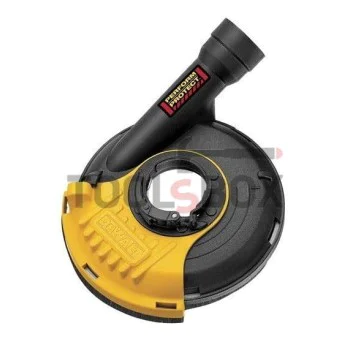
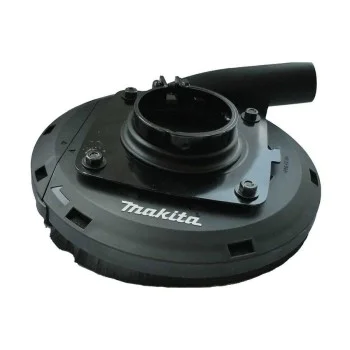
- Construction and renovation-drilling, cutting, and sanding with compatible attachments and hoses.
- Workshop and service - maintaining a cleaner area around machines, workbenches, and assembly areas.
- Fine finishing operations - collecting dust when sanding varnish, putty, spackle, or wood surfaces.
Types of dust collectors and key differences between models
Dust collectors are available in various designs, depending on the nature of the waste and the work environment. Mobile models with wheels are convenient for working in different locations on a job site or in a workshop. Stationary systems are suitable for machines located in a fixed position, such as in a woodworking shop. Options include a fabric bag, a cartridge filter, a filter cartridge, or a combined system for separating larger particles and fine dust.
Collection capacity is important for continuous operation. A larger container or bag reduces the need for emptying breaks but increases the size of the unit. Airflow affects the machine's ability to remove dust-desktop machines and wide hoses require a stronger flow, while for handheld power tools, a good connection between the hose, adapter, and tool outlet is key. Filtration is also a key criterion, as coarse shavings and fine dust require different approaches.
| Criterion | Practical significance |
|---|---|
| Power and flow rate | Determine the ability to remove dust and chips during heavy-duty operation. |
| Collection capacity | Affects the frequency of emptying and convenience during prolonged tasks. |
| Filter system | Traps fine particles and protects the motor from contamination. |
| Hose diameter | Relates to compatibility with machines, adapters, and accessories. |
| Mobility | Wheels, handles, and compact dimensions make it easy to move between work areas. |
How to choose the right model
When choosing dust collectors, start with the type of work and the machines you'll be connecting them to. For woodworking machines that produce a lot of sawdust, look for a model with sufficient airflow and a large collection capacity. For power tools used in repair tasks, pay attention to the hose diameter, available adapters, and portability. If the work involves fine dust particles, the filter and seals deserve careful inspection, as poor filtration can allow some dust to escape back into the room.
Compatibility is crucial for the system's actual performance. Check the machine's nozzle size, the hose's length and flexibility, the availability of adapters, and the ability to secure it firmly. With longer hoses or more bends, some of the suction power is lost, so a more powerful unit is better suited for stationary installations. For small rooms, it makes sense to look for a model with a compact design, a stable stand, and easy emptying.
Accessories, Consumables, and Maintenance
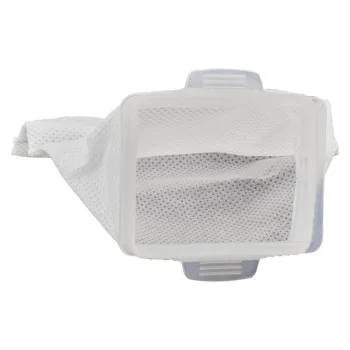
Vacuum cleaners work best with the right consumables and accessories: hoses, adapters, filters, bags, sacks, clamps, and seals. A dirty filter reduces airflow, so regular cleaning or replacement is part of normal maintenance. For bagged models, check for tears and proper placement; for container solutions, ensure the lid closes tightly. Proper maintenance extends the machine's lifespan and maintains consistent suction power.
For safe operation, do not vacuum hot ashes, liquids, or flammable materials unless the manufacturer has explicitly specified this capability for the specific model. When dealing with fine dust, use personal protective equipment and work with properly connected hoses. Position the unit stably so that the hose does not kink and does not obstruct movement around the machine.
Dust collectors for professional and home workshops
Dust collectors are a practical solution for people who value a tidy work environment, less scattered dust, and better visibility when working with materials. In professional settings, they facilitate daily work with machines and reduce cleanup time after each operation. In home workshops, they provide convenience for repairs, furniture making, hobby woodworking, and equipment maintenance.
Browse the offerings at Toolsbox.bg and choose dust collectors based on the machines you use, the required capacity, the filtration system, and your workspace. This way, you'll equip your workshop with practical equipment for cleaner, more organized, and more comfortable work.