
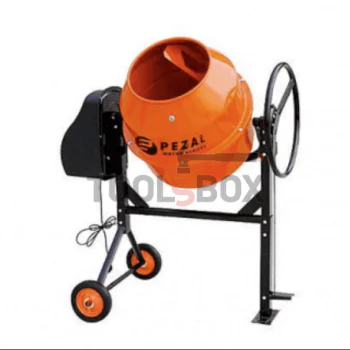
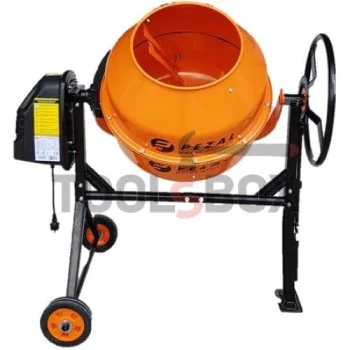
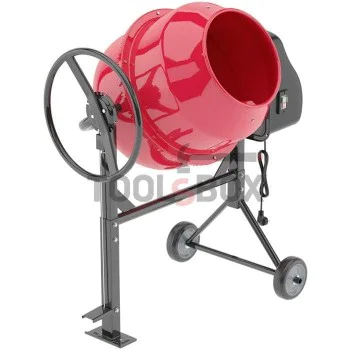
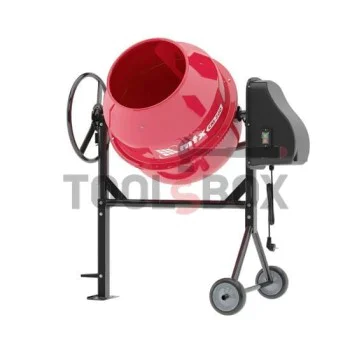
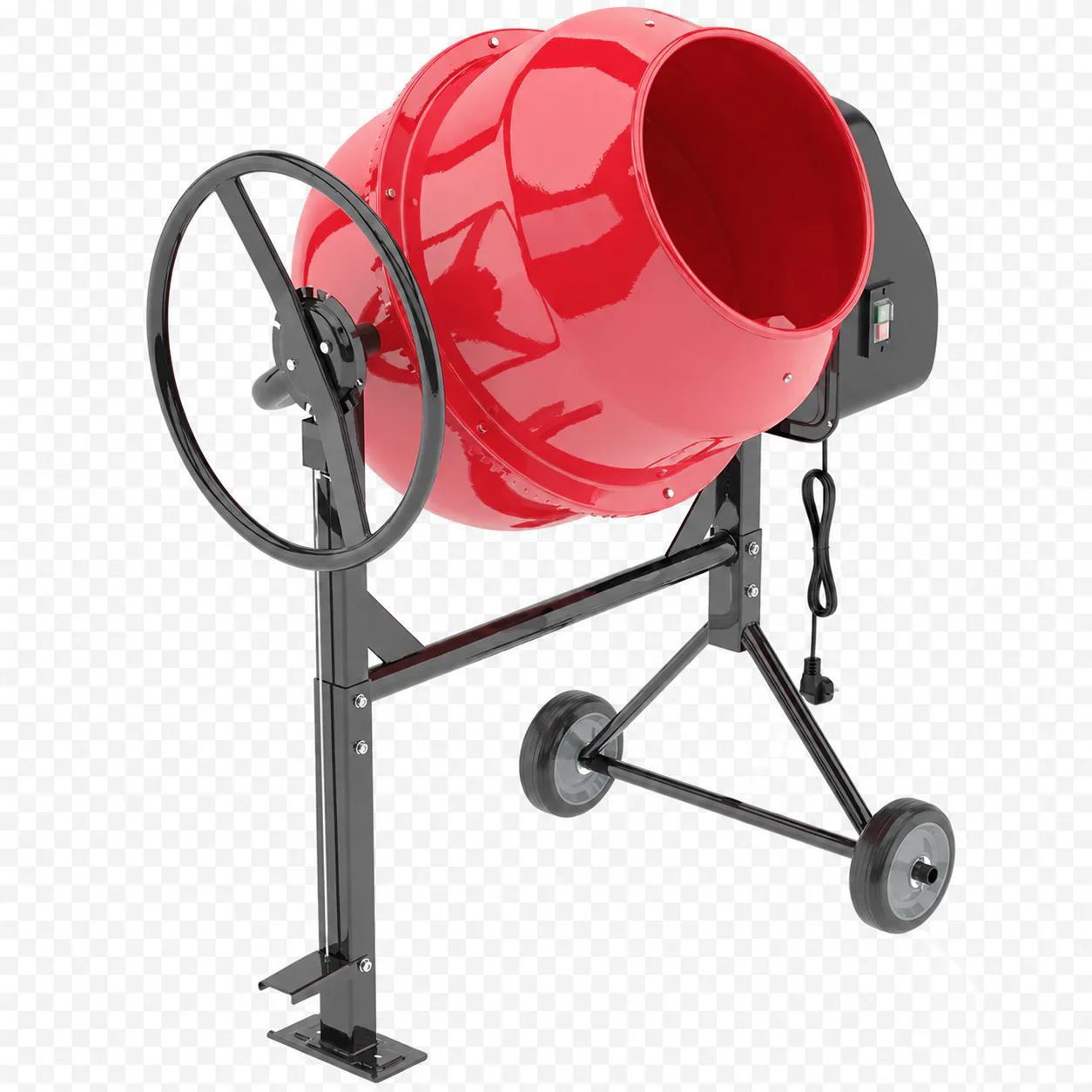
Agitators for concrete
Concrete mixers for uniform mixing of construction mortars
Concrete mixers are attachments and mixing elements used to prepare concrete, cement mortars, plaster, adhesives, fillers, and other construction mixtures. They help ensure the even distribution of water, cement, sand, gravel, or ready-mix dry mixes so that the material achieves the desired consistency before application. The range includes mixers for hand-held construction mixers, attachments for power tools with a suitable chuck, and replacement mixing elements for concrete mixers when the working blade is worn out or damaged.
A properly selected mixing paddle facilitates work on the job site, reduces the formation of lumps, and helps achieve better homogenization of the mixture. This is important when pouring concrete foundations, preparing floor screeds, performing masonry work, repairing walls, installing tiles, and other tasks where the consistency of the material directly affects the final result.
What does the range of concrete mixers include?
The various mixers differ in the shape of the working part, diameter, length, type of attachment, and material of construction. Spiral mixers are a common choice for cement mixtures and adhesives, as they move the material up or down and mix it evenly in the container. Paddle-type mixers are suitable for thicker mortars and for use with concrete mixers, where the mixing element must withstand constant contact with abrasive particles.
Attachments for construction mixers are typically selected based on their mounting type and size. Some models feature a standard M14 thread, while others have a hexagonal shank or another mounting system. For concrete mixers, attention is focused on the shape of the blades, the mounting holes, the length, and the method of attachment to the drum or shaft. Compatibility with the specific machine saves time during installation and prevents unwanted vibrations during operation.
Applications in construction, repair, and maintenance
Concrete mixers are used on projects of various scales-from home repairs to professional use on construction sites. For small quantities of material, attachments for a bucket or mixing container mounted on a hand mixer are practical. For larger jobs, the concrete mixer remains the preferred machine, and the condition of the mixing blades directly affects the uniformity of the mix.
For plaster and tile adhesives, a mixer is needed that mixes without introducing excessive air. For concrete with sand and gravel, the working part must be more robust, with a shape that actively moves the material and does not bend easily. For gypsum mixtures and fine putties, a gentler mixing action is desired, as overly aggressive geometry alters the texture and increases splashing outside the container.
Selecting a mixer based on mixture, size, and grip
Selecting a mixer starts with the type of material and the machine you'll be using. Thick mixtures put more strain on the motor and the mixing attachment, so the diameter should not exceed the mixer's capacity. A mixer that is too large for a small container causes splashing, while a mixer that is too small for a large volume extends mixing time and leaves uneven areas.
- Working part diameter-a larger diameter processes more material but requires a machine with sufficient torque.
- Shaft length-selected based on the depth of the container or the design of the concrete mixer, so that the operator can work comfortably.
- Shape of the spiral or blades-affects the direction of the mixture's movement, mixing speed, and the risk of splashing.
- Mounting type-threaded, hexagonal, or mounting holes must match the machine and fasteners.
- Material of construction-steel mixers with stable geometry are more suitable for abrasive mixtures containing sand and gravel.
Comparison of main types of mixers
| Agitator type | Intended use | Practical guidelines |
|---|---|---|
| Spiral mixer | Cement mortars, adhesives, plaster | A good choice for hand-held construction mixers and work in a bucket or container |
| Paddle mixer | Thicker mixtures and concrete | This approach is suitable for materials with higher resistance |
| Mixing blades for concrete mixers | Replacement of worn working elements | Precise compatibility with the drum, shaft, and fasteners is required |
Compatibility, installation, and safe operation
Before purchasing, compare the shank, thread, diameter, length, and mounting holes with the machine's specifications. For hand mixers, it is advisable for the mixing paddle to fall within the manufacturer's recommended diameter range, as excessive load shortens the life of the gearbox and motor. For concrete mixers, the mounting pins must fit securely, without any play that could cause impact loads during rotation.
Working with concrete and mortar requires safety goggles, gloves, and a stable footing. The machine is turned on after the mixing paddle is immersed in the material, and the speed is increased gradually. When changing an attachment or adjusting the fasteners, the power must be turned off. After finishing work, cement residues must be removed promptly, as hardened material hinders subsequent mixing and puts strain on the working parts.
Mixer Maintenance for a Longer Service Life
Regular cleaning and inspection for wear keep the mixer in good working condition. Bent blades, loose fasteners, cracks around welds, or severe thinning of the working edges are signs that replacement is needed. In concrete mixers, worn mixing blades leave material on the drum walls and increase mixing time. In hand-held attachments, a damaged shaft causes vibration, which tires the operator and strains the machine.
Keep mixers dry and free of residue. For metal attachments, it is best not to leave the working part covered with wet cement for extended periods, as this accelerates corrosion and makes disassembly difficult. Proper maintenance reduces replacement costs and ensures consistent mixing results.
Choose concrete mixers from Toolsbox.bg
At Toolsbox.bg, you'll find concrete mixers for various construction tasks-from preparing small batches of mortar to operating a concrete mixer on-site. Compare the dimensions, grip, and application of each item to select a mixing element compatible with your machine and the type of material. This way, construction, repair, and maintenance work proceeds more efficiently, with less wasted time and better mix consistency.