
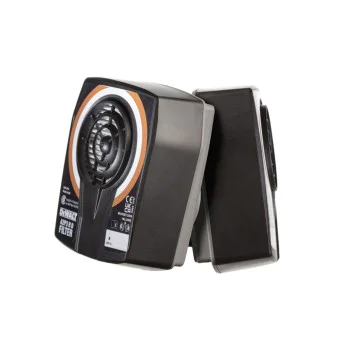
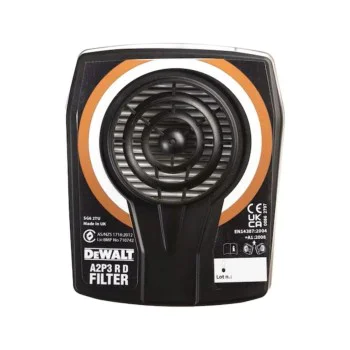
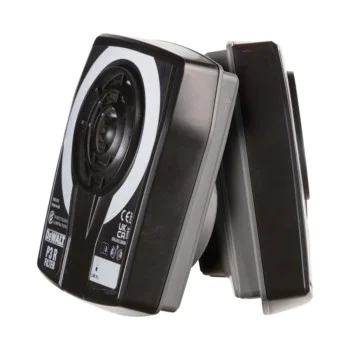
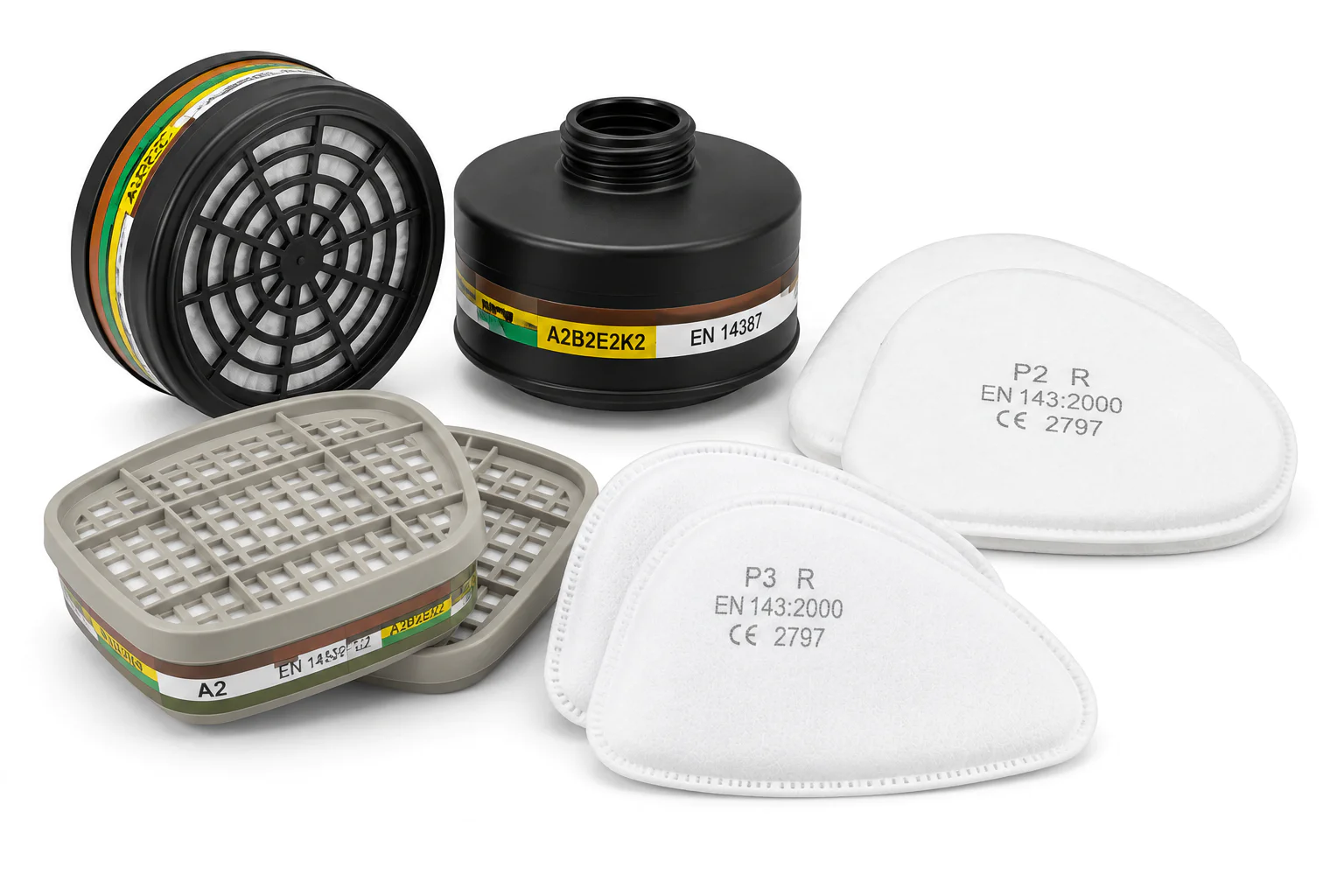
Filters for masks
Respiratory Protection Mask Filters
Mask filters are replaceable components for half-masks and full-face masks designed to limit the inhalation of dust, aerosols, gases, vapors, and other contaminants during work. They are part of personal protective equipment and are used in construction, repair, painting, sanding, working with chemicals, maintenance, woodworking, metalworking, and workshop maintenance. The correct choice of filter is directly related to the environment, the type of contamination, and compatibility with the specific mask.
Toolsbox.bg offers a selection of mask filters for professional use and for discerning home users who work with tools, power tools, machinery, varnishes, paints, adhesives, solvents, or materials that emit fine particles. Replacing the filter at the right time ensures normal breathing, reduces strain on the mask, and maintains the necessary protection during the task.
Types of mask filters and their applications
Different mask filters are designed for different contaminants. Therefore, the markings on the filter, the manufacturer's instructions, and the work environment are key considerations when purchasing. Dust, gas, and combination filters are not interchangeable for every task, as they use different types of filter media.
- Dust filters-used for grinding, cutting, drilling, cleaning, and working with cement, plaster, wood, metal dust, and other solid particles. They come with varying filtration levels, as specified by the manufacturer.
- Gas and vapor filters-designed for environments with organic vapors, acidic gases, ammonia, or other chemical vapors, depending on the specific labeling. The choice depends on the type of substance being handled.
- Combined filters-combine protection against particles and specific gases or vapors. They are a practical choice for painting, spraying, working with solvents, and handling powdered materials in the same task.
- Pre-filters and holders-extend the service life of the main filter during dusty operations and facilitate the maintenance of respiratory protection.
Selection based on the work environment and compatibility
Respirator filters are selected first based on the type of contamination, and then based on the type of respirator. For dust from construction materials and wood, look for dust filters with the appropriate class as indicated on the label. For painting, varnishing, and working with adhesives, organic vapor filters are often required, while combined options are used for mixed tasks. For service and installation activities, the choice is influenced by the duration of work, the concentration of dust or vapors, and the need for an unobstructed field of vision.
Compatibility is just as important as the type of filtration. Different protective masks use bayonet mounts, screw threads, snap-on mechanisms, or special adapters. Before purchasing, check the mask model, the mounting method, and the markings on the old filter. A filter that does not fit snugly or is not designed for the specific mask does not provide a proper seal and hinders normal operation.
Classes, Markings, and Practical Guidelines
For mask filters, the marking indicates the type of protection. Dust filters are usually designated by particle classes, while gas filters are marked with letters corresponding to the group of gases and vapors. The color code on the housing or label also helps with quick identification, but always compare it with the manufacturer's specifications for the mask and filter. For activities involving heavy dust generation, a filter with sufficient capacity is required, and for work with chemical vapors-the correct type of activated carbon or other filter layer depending on the substance.
Size and shape affect comfort. Compact filters are convenient when working in tight spaces and when wearing safety goggles or a helmet. Larger cartridges typically have a greater filtration volume but add weight to the mask. For prolonged use, it is advisable to find a comfortable balance between protection, breathability, and facial comfort.
Maintenance, Storage, and Timely Replacement
Respirator filters have a limited service life. This is affected by dust exposure, vapor concentration, humidity, temperature, and duration of use. Difficulty breathing, a noticeable odor through the mask, a dirty housing, a damaged cartridge, or an expired shelf life are clear signs that it's time for a replacement. Filters should not be washed, blown out with compressed air, or stored in open areas exposed to chemicals, oils, or dust.
After use, remove the filter or store the mask according to the manufacturer's instructions. A sealed container or clean bag protects the filter material from unnecessary contamination between tasks. With combination mask filters, it is advisable to monitor both breathing resistance and the sense of smell, as the different layers wear out at different rates.
Respirator filters for construction, renovation, and workshop use
When working with power tools, grinders, drills, routers, spray systems, and hand tools, particles and vapors are often released that are not easily visible but can irritate the respiratory tract. That is why mask filters are an important part of equipment for workshops, installation, painting, drywall, cleaning, and maintenance. They complement protective clothing, goggles, gloves, and other personal protective equipment.
When choosing, consider the type of contaminant, the filter's rating, compatibility with the mask, the attachment method, the expected duration of use, and the required comfort level. The mask filters selected at Toolsbox.bg help you equip your workplace with the right supplies for the specific task. Choose a model based on your mask and working conditions to work more comfortably during repairs, construction, painting, installation, or maintenance.