
Grease for bearings
Bearing grease for reliable operation and extended service life of mechanisms
Bearing grease is used to lubricate rotating assemblies where a thick protective grease is needed that stays in place and performs under pressure, vibration, and continuous motion. It forms a durable film between metal surfaces, reduces wear, protects against corrosion, and supports smooth bearing rotation in machinery, tools, transport mechanisms, garage equipment, and maintenance equipment. Unlike liquid oils, greases hold better within the bearing housing and are ideal for assemblies that are not serviced regularly.
At Toolsbox.bg, you'll find bearing grease for servicing, repair, installation, and maintenance of various mechanical systems. The range includes greases for home use, workshops, and professional applications, with different formulations tailored to load, temperature, humidity, and rotational speed. Selecting the right grease is directly related to the bearing's service life and the safe operation of the machine.
Where is bearing grease used?
Bearing grease is used in electric motors, wheels, rollers, shafts, belt drives, hinge assemblies, construction equipment, garden machinery, carts, compressors, pumps, and various service equipment. It is used in the maintenance of tools and mechanisms where the bearing operates under constant pressure or during periodic starts and stops. Proper lubrication reduces noise, limits overheating, and helps the mechanism maintain smooth operation.
During repair work, bearing grease is among the consumables that are replaced when disassembling, cleaning, and reassembling the unit. It is necessary for both small home repairs and service work on machines, tools, and equipment exposed to dust, moisture, impact loads, or prolonged operation.
Types of Greases and Differences Between Them
Different types of bearing grease differ in their thickener, base oil, additives, and operating temperature. Lithium greases are widely used in maintenance and many mechanical assemblies. Calcium-based greases are preferred in humid environments because they have good water resistance. High-temperature greases are suitable for bearings operating near heated components or under prolonged loads. Greases with EP additives are designed for assemblies with higher pressure, impact loads, and heavier-duty operation.
| Lubricant type | Operating environment | Practical considerations |
|---|---|---|
| Lithium grease | Service, workshop, standard mechanisms | Good mechanical stability and easy application |
| Water-resistant grease | Moisture, exposed mechanisms, garden equipment | Better protection against washout and rust |
| High-temperature grease | Heating, continuous operation, heavily loaded components | Retains consistency at elevated temperatures |
| EP grease | Heavy loads, vibrations, shock loads | Additives for protection under high pressure |
How to select grease for bearings
When selecting grease for bearings, consider the type of mechanism, speed, load, temperature, and environment. High-speed bearings require grease with good stability and the right consistency to avoid creating unnecessary resistance. For low-speed assemblies with higher loads, a thicker grease with anti-wear additives is preferred. For machines operating outdoors or in wet environments, water resistance is critical for bearing protection.
Pay attention to consistency grades, temperature range, and compatibility with the old grease. Do not arbitrarily mix different thickeners, as this alters the lubricating properties and leaves the bearing without uniform protection. During a full service, clean out old residue, check the condition of the seals, and apply new bearing grease in an amount appropriate for the assembly's design.
Packaging and Application
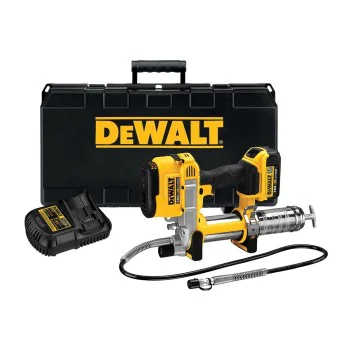
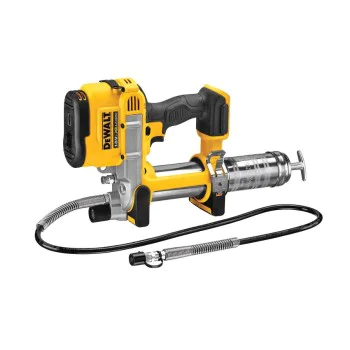
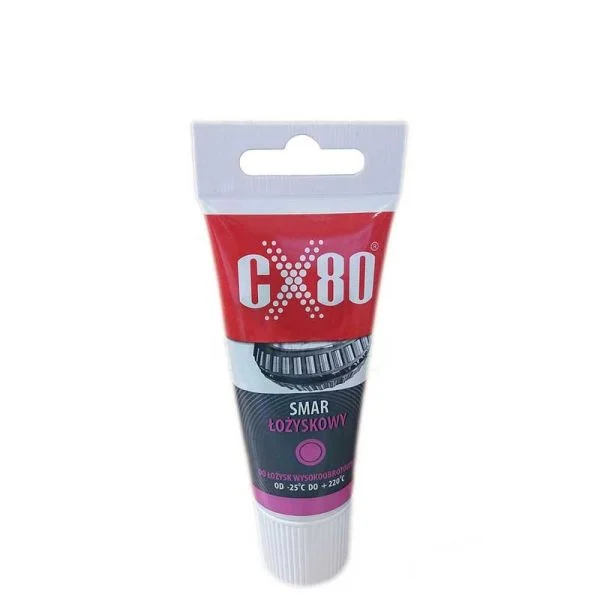
Greases are available in various sizes depending on the scope of work. Small tubes are convenient for home maintenance, installation, and minor repairs. Grease gun cartridges are practical for service shops and for machines with grease nipples. Larger cans and buckets are suitable for workshops, auto repair shops, and servicing multiple pieces of equipment. When applying with a brush, spatula, or grease gun, ensure the grease is applied to the working area without contaminating brake surfaces, belts, or electrical contacts.
Maintenance, Cleanliness, and Safety
Good lubrication practice starts with clean parts. Dust, metal particles, and old, hardened grease shorten the life of the bearing, even when the new bearing grease is properly selected. Before application, remove contaminants, dry the surfaces, and check for play, noise, or damage to the raceways and rollers. For sealed bearings, follow the machine manufacturer's instructions, as some are not designed for re-greasing.
Excessive grease is not always a good thing. An overfilled bearing heats up more, resistance increases, and the seals are stressed. Insufficient grease, on the other hand, leaves metal surfaces unprotected. The right amount and regular maintenance protect mechanisms when working in construction, service, workshops, gardens, and at home.
A practical choice for service and repair
Bearing grease is a small but valuable consumable for the maintenance of machines and tools. Select a grease based on the operating conditions, environment, and application method to ensure smooth movement and reduced wear on bearing assemblies. Toolsbox.bg offers solutions for various applications-from preventive maintenance of household appliances to servicing professional equipment and mechanisms under heavier loads.