
Profile router
Profile router for precision shaping of edges, grooves, and decorative profiles
A profile router is a machine for detailed machining of wood, MDF, particleboard, plywood, laminated panels, and other materials where a clean contour, uniform profile, and precise dimensions are required. This type of router is used in the manufacture of furniture, doors, countertops, decorative elements, template parts, and mounting holes. In the Toolsbox.bg product range, you will find solutions for workshops, construction and renovation projects, on-site installations, and demanding home use.
A profile router works with various cutting bits and guides to create chamfers, roundings, edges, grooves, channels, copy contours, and decorative lines. The machine is invaluable where manual processing is time-consuming or fails to ensure consistent results along the entire length of the workpiece. With the right tool selected, the profiling remains clean, and subsequent sanding is kept to a minimum.
What tasks is a profile router used for?
A profile router is used for finishing surfaces, edges, and solid wood. It is used to create decorative edges on doors, headboards, shelves, and countertops. In furniture manufacturing, the machine helps create repeatable profiles with uniform depth and width, and during repair and installation, it facilitates the on-site fitting of components.
When working with templates, a profile router allows for copying complex shapes, contour cutting, and shaping openings with precise geometry. For carpenters, installers, and service technicians, this means more controlled processing when manufacturing series or single non-standard parts. For the home workshop, the machine is practical for refurbishing furniture, installing trim, shaping edges, and making fine decorative adjustments.
Typical applications
- Edge shaping-bevels, radii, roundings, and decorative edges.
- Milling channels-nut grooves, joint seats, guides, and mounting grooves.
- Template work-copying curved shapes, openings, and repetitive contours.
- Finishing - clean profiling before varnishing, painting, oiling, or edging.
- Assembly tasks-fitting parts, preparing for hinges, trim, and inserts.
How the different models differ
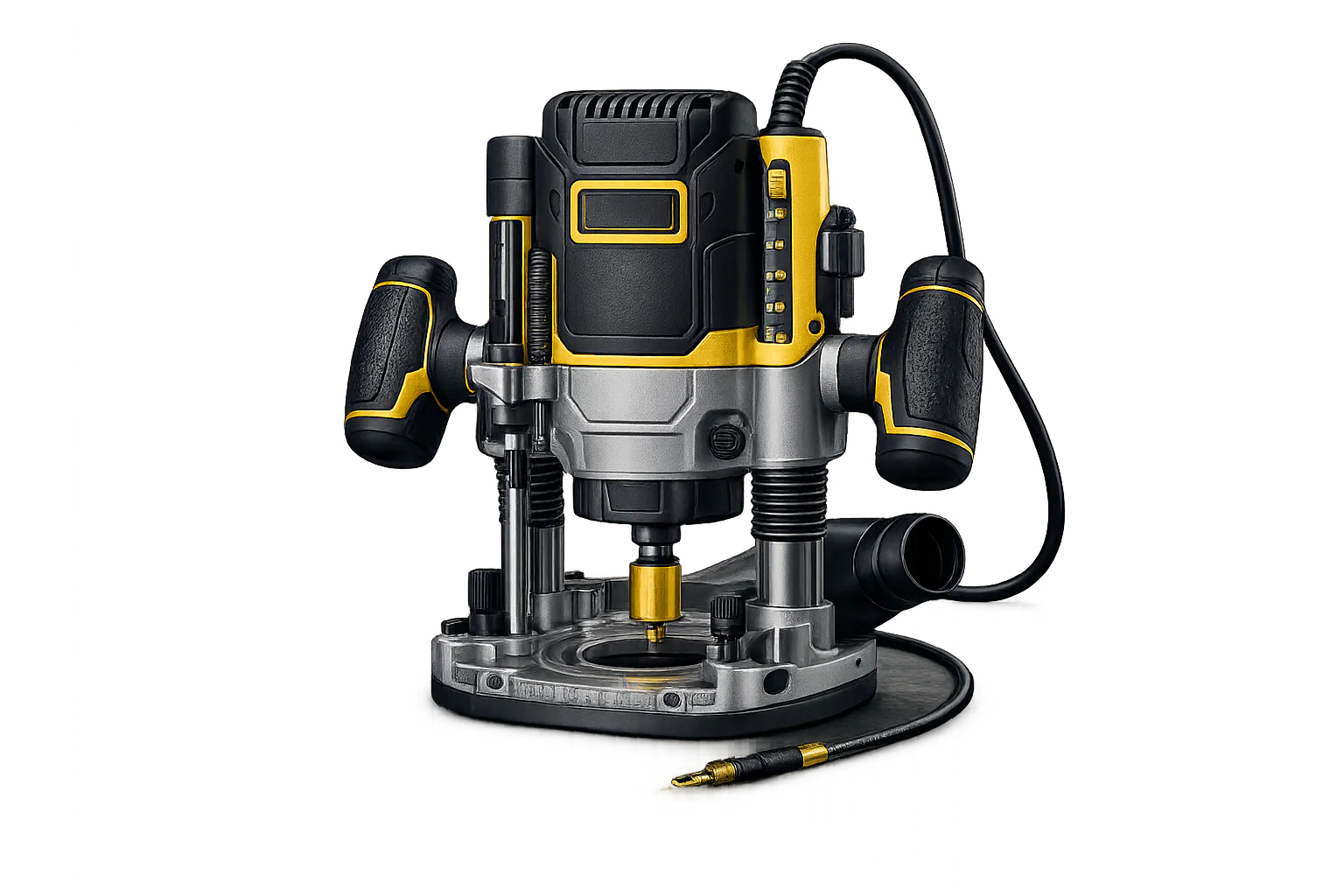
When choosing a profile router, factors such as power, RPM, cutting depth, collet size, base stability, and precision adjustment capabilities are important. More powerful machines handle larger cutting cutters and harder materials with greater confidence, while more compact models are convenient for edging, finishing, and one-handed operation during lighter tasks.
Speed control is useful for different cutting tool diameters and materials of varying hardness. Small cutters require higher speeds for a clean cut, while large profile cutters are better controlled at lower speeds. Smooth depth adjustment helps ensure controlled material removal over multiple passes, which reduces wear on the machine and improves the surface finish.
A profile router with a precise base, a clear depth stop, and a stable parallel guide makes it easier to guide the tool along a straight edge. When working with templates, pay attention to the copying sleeves, the ability to lock the depth, and visibility of the work area. For indoor use, dust extraction is important because it reduces chips around the router and keeps the cutting line more visible.
Criteria for purchasing a profile router
Before purchasing, it is helpful to consider the materials, frequency of use, and required precision. For furniture panels and edges, compact machines with good depth adjustment are often sufficient. For solid wood, deeper grooves, and larger profiles, a model with higher power, a sturdy base, and a stable grip is recommended. For professional use, load-bearing capacity, ease of changing accessories, and the precision of the adjustment mechanisms are important.
- Power and RPM-affect the cleanliness of the cut and performance with different routers.
- Collet and chuck-must match the shank of the cutting tool.
- Milling depth-important for grooves, joints, and multi-pass machining.
- Guides and stops-help ensure straight lines, repeatability, and control.
- Dust extraction-keeps the work area cleaner and improves visibility.
- Ergonomics-comfortable handles, easy adjustment, and stability during operation.
Consumables, accessories, and compatibility
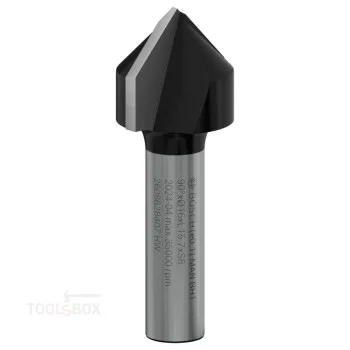
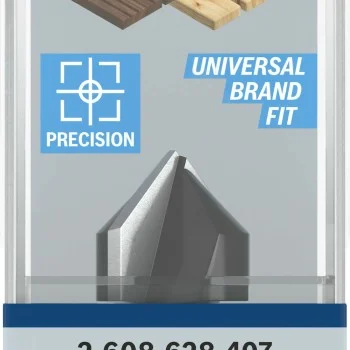
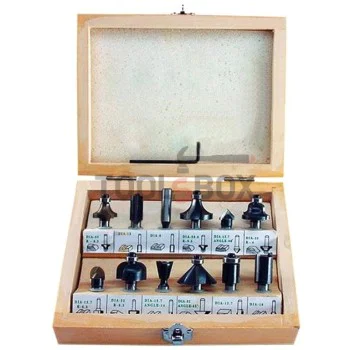
Working with a profile router depends heavily on properly selected cutting bits. Profile cutters, straight cutters, ball-bearing cutters, copying sleeves, and parallel guides expand the range of operations. The shank diameter must match the machine's collet, and the working diameter and shape of the cutter must be suited to the material and the desired geometry.
A sharp cutting tool reduces the load on the motor and leaves a cleaner surface. Dull or unsuitable cutters lead to overheating, burn marks, and more difficult guidance. When machining laminated panels and veneered parts, it is advisable to work with a moderate feed rate and a securely clamped workpiece to minimize chipping along the edge.
Safe Operation and Maintenance
A profile router operates at high speeds, so securing the workpiece, proper router setup, and a stable grip are essential for precise and safe operation. Before starting, the cutting tool must be securely tightened, and the depth adjusted according to the specific operation. Working in several shallow passes is more controllable than a single aggressive material removal.
Regular maintenance is required to ensure a longer machine lifespan: cleaning the ventilation openings, removing dust and chips, inspecting the collet, and storing the cutting cutters in a dry place. Personal protective equipment-safety glasses, ear protection, and a dust mask when working with dusty materials-contributes to a more comfortable and safe work environment.
Profile router for workshops, installation, and repair
A profile router is a useful addition to the equipment of anyone seeking precision when machining edges, grooves, and decorative shapes. At Toolsbox.bg, you can select a machine based on your tasks, the necessary accessories, and the type of materials you work with. Browse the available models and choose a profile router that will make your daily work in the workshop, on the job site, or at home easier.