
Overmills for wood
Wood routers - precision routing, grooves, and decorative profiles
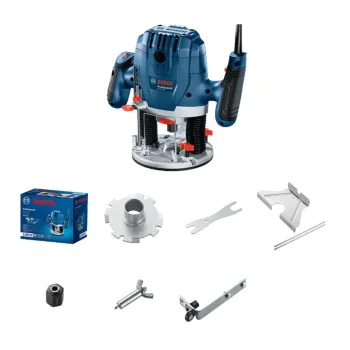
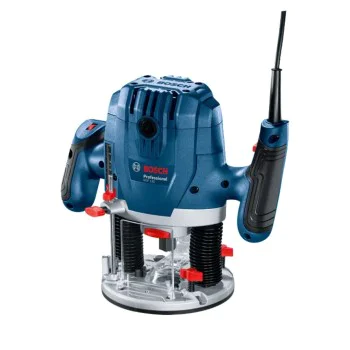
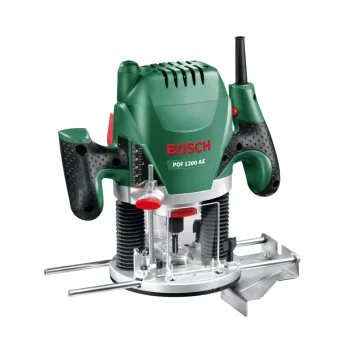
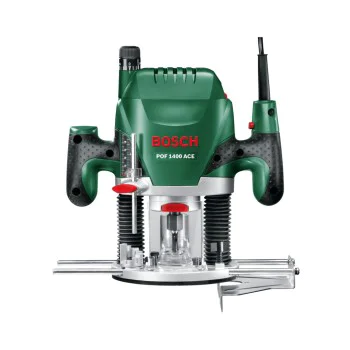
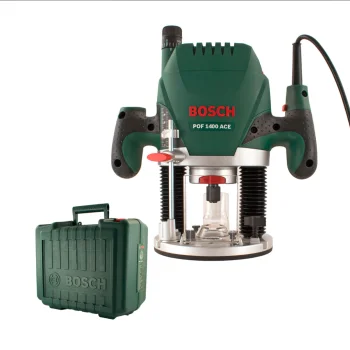
Wood routers are among the most practical machines for shaping wood, panels, and furniture components. They are used to create grooves, chamfers, roundings, profiles, mortises for fittings, joints, and decorative edges. The machine operates with a rotating cutter that removes material at a controlled depth, enabling clean machining in furniture manufacturing, renovation work, kitchen installation, and the production of doors, countertops, shelving, and other wooden structures.
Among woodworking machines, this type of tool occupies a middle ground between hand tools and stationary equipment. The router is mobile enough for on-site work but offers the precision required in a workshop. The approach to selection depends on the tasks, workload frequency, material type, and the router bits to be used.
What tasks are router bits used for?
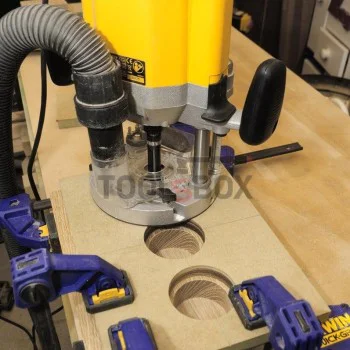
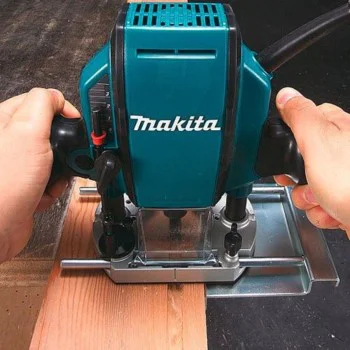
The router is valuable for working with solid wood, MDF, particleboard, plywood, laminated panels, and wood-based composite materials. With the right router bit, the machine cuts straight joints, profiles edges, creates decorative patterns, cuts holes to a template, and prepares locations for hinges, locks, or guides. For craftsmen who build custom furniture, it ensures repeatability of operations and a clean finish on visible edges.
During installation work, routers help with precise fitting of components, on-site adjustments, and fine finishing operations. In a home workshop, they are useful for making shelves, frames, decorative panels, and small woodworking projects. Professional users look for stability, power, and convenient adjustment, while for home use, compact machines with a comfortable grip and a clear depth scale are often sufficient.
Types of wood routers
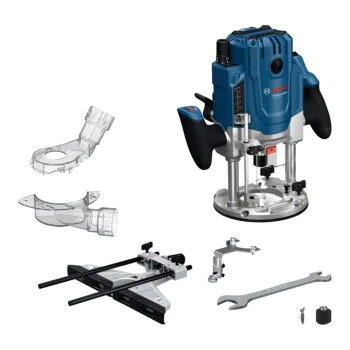
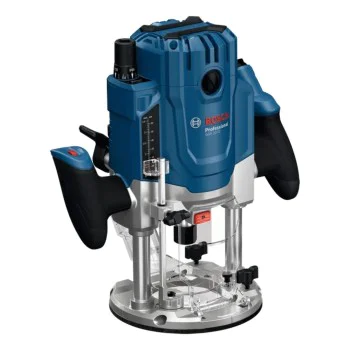
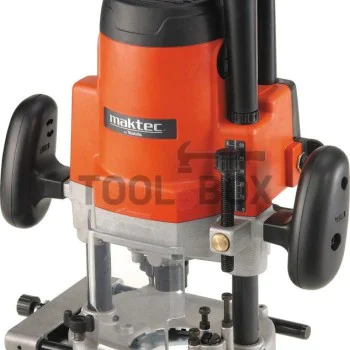
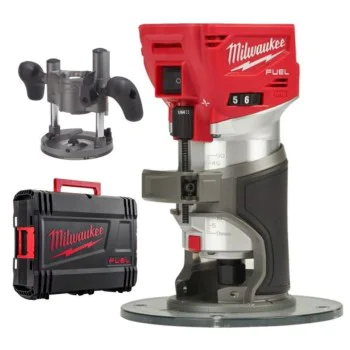
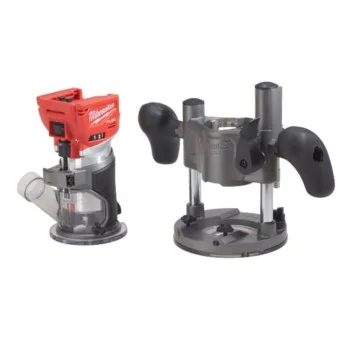
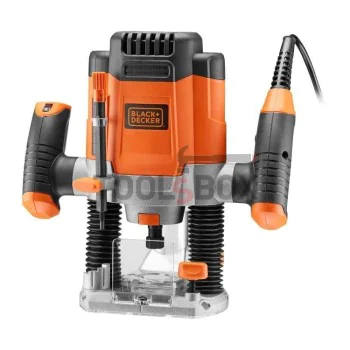
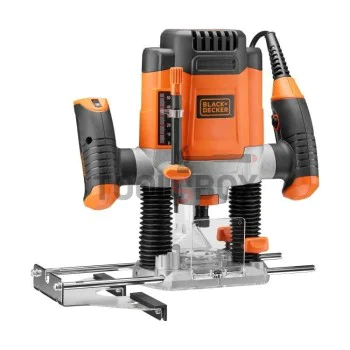
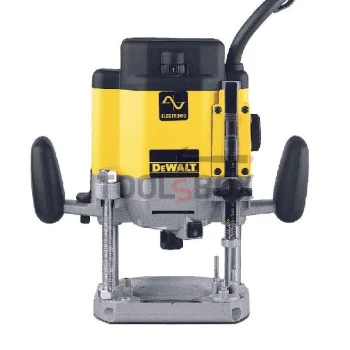
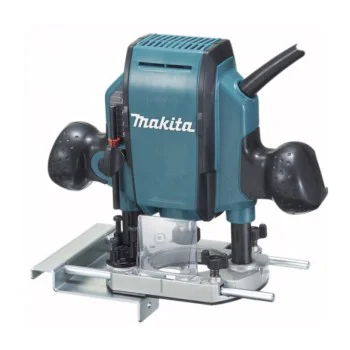
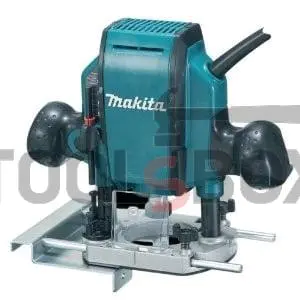
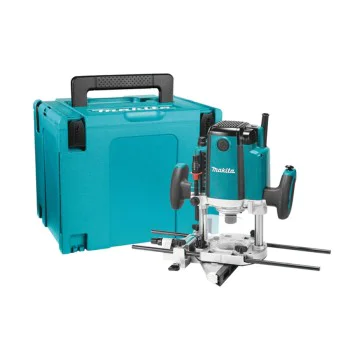
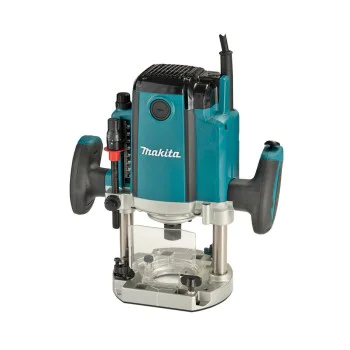
Different models vary in design, power, plunge depth, RPM, collet size, and guidance method. Plunge routers allow the router to enter the material from above, which is convenient for slots, holes, and channels starting in the middle of the workpiece. Edge routers are lighter and more maneuverable, designed for machining edges, chamfers, and small profiles. More powerful machines operate stably with larger cutters and during deeper material removal.
| Machine Type | Typical use | Practical tip |
|---|---|---|
| Plunge router | Channels, slots, template work | A good choice for a variety of woodworking operations |
| Edge router | Chamfering, rounding, edge finishing | Convenient for assembly and light-duty tasks |
| Powerful router | Deeper routing and larger profiles | Suitable for workshops and heavy-duty use |
How to choose a wood router
When choosing a router, pay attention to the power, speed range, maximum cutting depth, and supported collets. Higher power is helpful for hard wood, large cutters, and continuous use. Speed control is valuable because different router bit diameters and different materials require different cutting speeds. Small router bits typically operate at higher speeds, while large profile router bits operate at lower speeds.
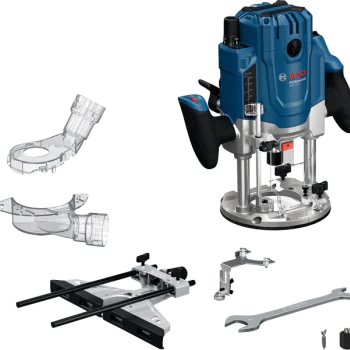
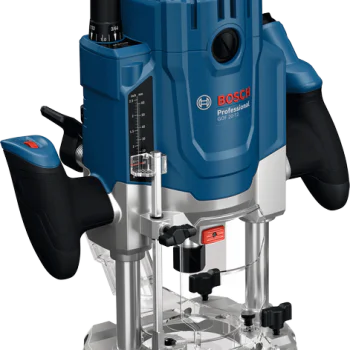
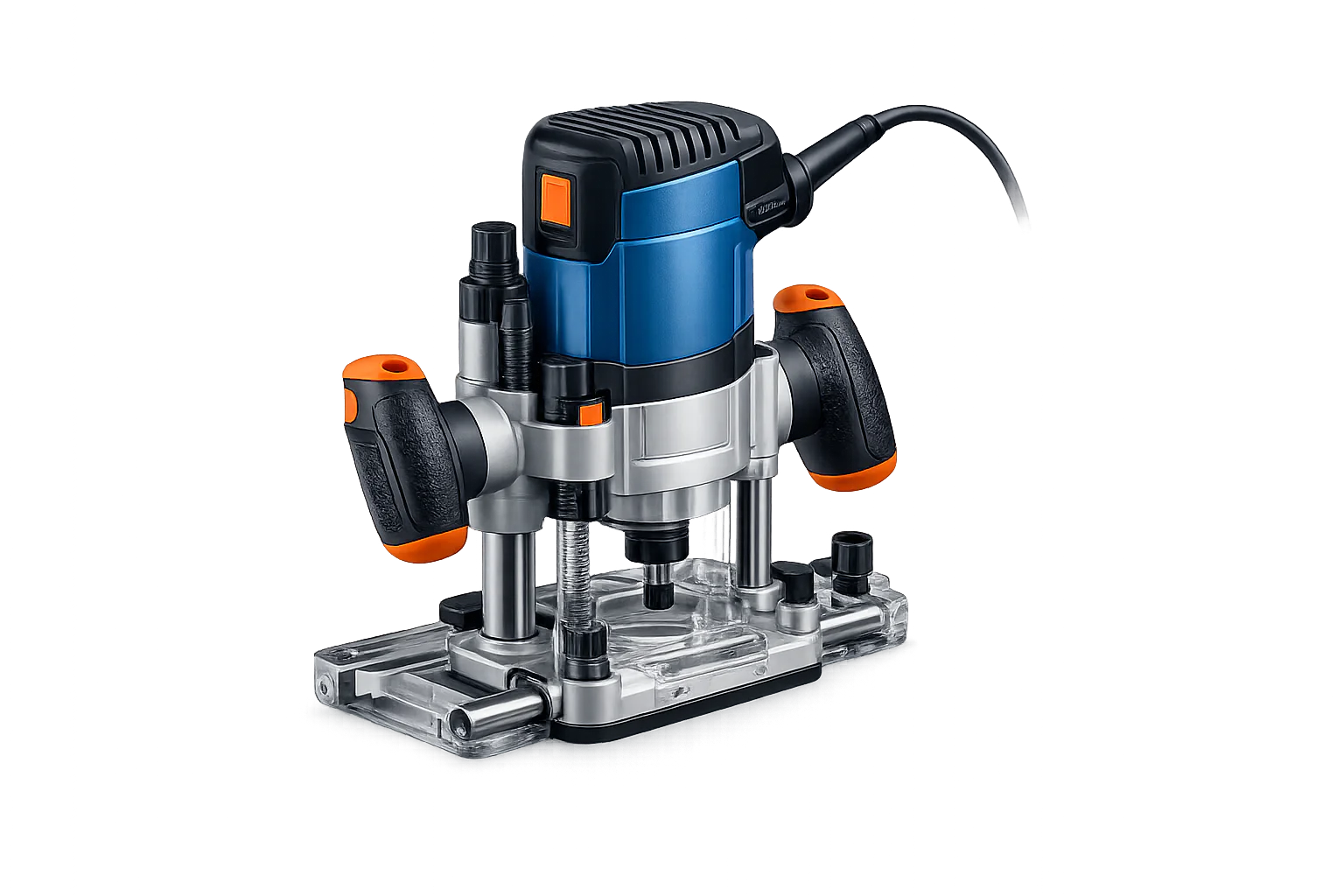
Depth adjustment directly affects accuracy. Machines with fine adjustment, a depth stop, and a stable base facilitate repetitive operations. A comfortable grip reduces fatigue during extended use, while a transparent base or good visibility of the cutting area helps when following a line, template, or guide. When working with guides and templates, checking compatibility with copying sleeves, a parallel guide, and a dust extraction adapter saves you trouble during actual use.
Chucks, cutters, and compatibility
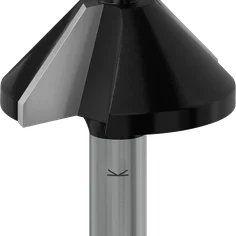
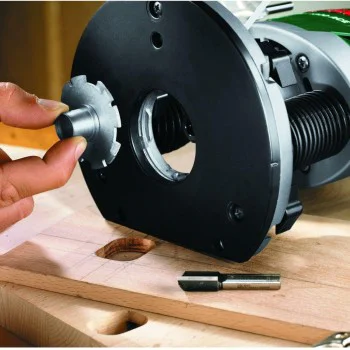
The collet holds the cutting tool and is critical for stability. Commonly used sizes are 6 mm, 8 mm, and 12 mm, and the specific size must match the router's shank. An incorrect fit leads to vibrations, an inaccurate cut, and a risk to the operator. When planning a purchase, it is wise to consider your existing set of cutters or future tasks-such as edge profiling, straight grooves, rebates, holes for hardware, or decorative finishing.
The quality of the router bit affects the cut just as much as the machine itself. For clean machining of laminated panels and MDF, sharp cutting edges, correct geometry, and secure mounting are required. When working with hardwood, it is best to remove material in several passes rather than with a single, excessively deep cut. This protects the motor, the router, and the workpiece.
Convenience, Safety, and Maintenance
Router bits operate at high speeds, so stable control of the machine is essential for precise and safe results. The workpiece must be securely clamped, and the operator should wear safety goggles, ear protection, and a dust mask during prolonged use. Dust extraction maintains visibility of the cutting line and reduces chip buildup around the router.
Regular maintenance includes cleaning the base, checking the collet, removing dust from the ventilation openings, and inspecting the cord or battery on cordless models. Routers should be stored in a dry place and protected from impacts, as a damaged cutting edge leaves marks and puts strain on the machine. When changing the router bit, turn off the power and insert the shank deep enough into the collet without touching the end.
Router bits for workshop, installation, and home woodworking
Selecting a router for woodworking is easier when you start with the actual tasks: light edge routing, furniture assembly, profiling, template work, or continuous use in a workshop. Compact models are convenient for fine adjustments and assembly, while more powerful machines provide extra power for larger routers and hard materials. At Toolsbox.bg, you can browse our selection of wood routers and choose a machine that suits your work, your existing routers, and the precision you require.