
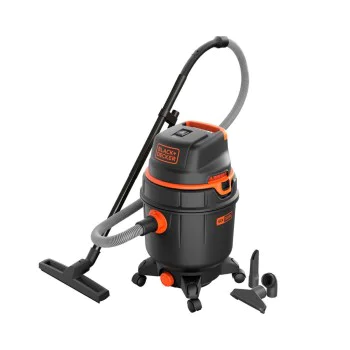
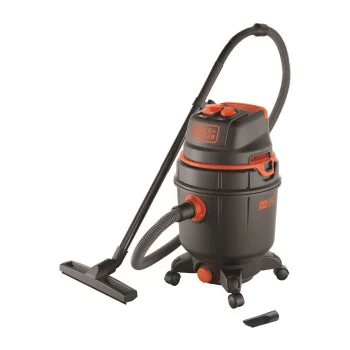
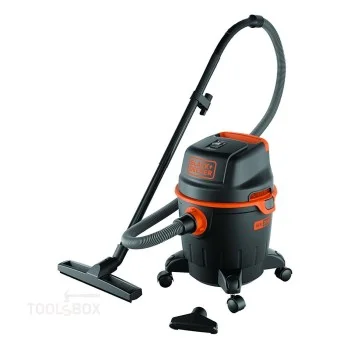
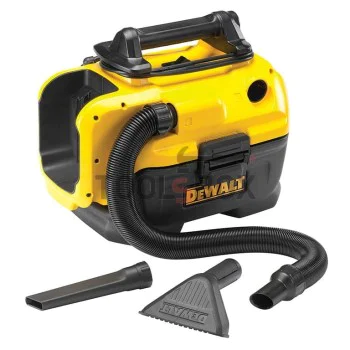
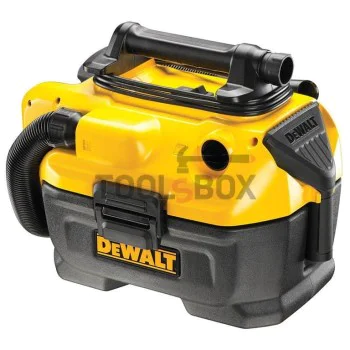
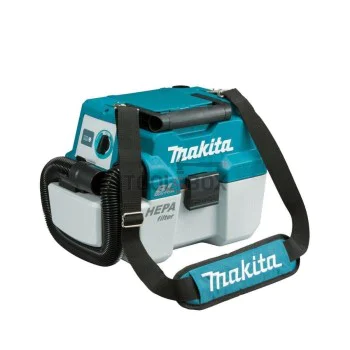
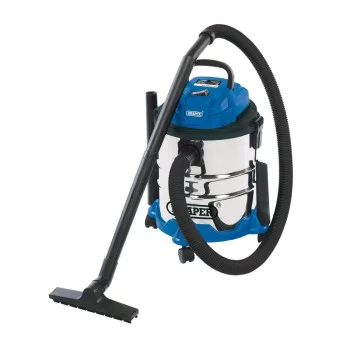
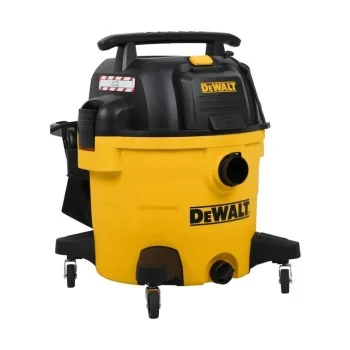
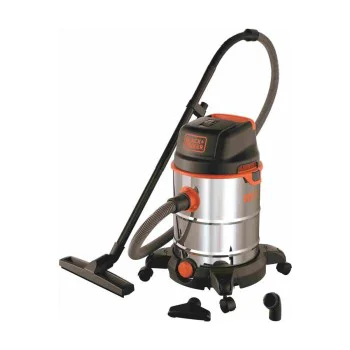
Vacuum cleaners for dry and wet cleaning
Wet/dry vacuum cleaners for workshops, repairs, and maintenance
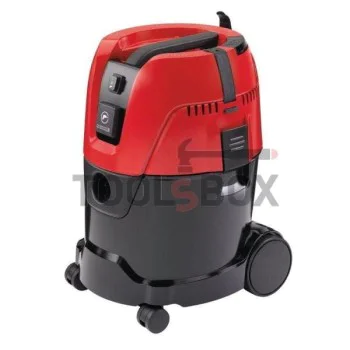
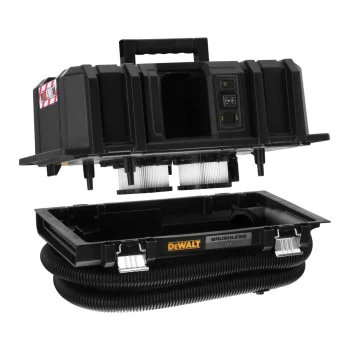
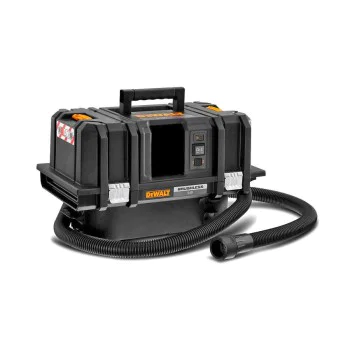
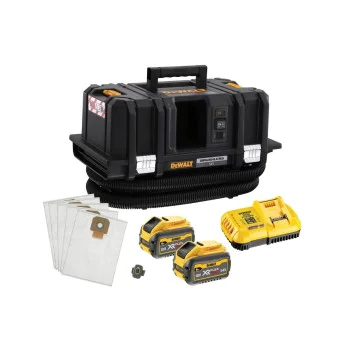
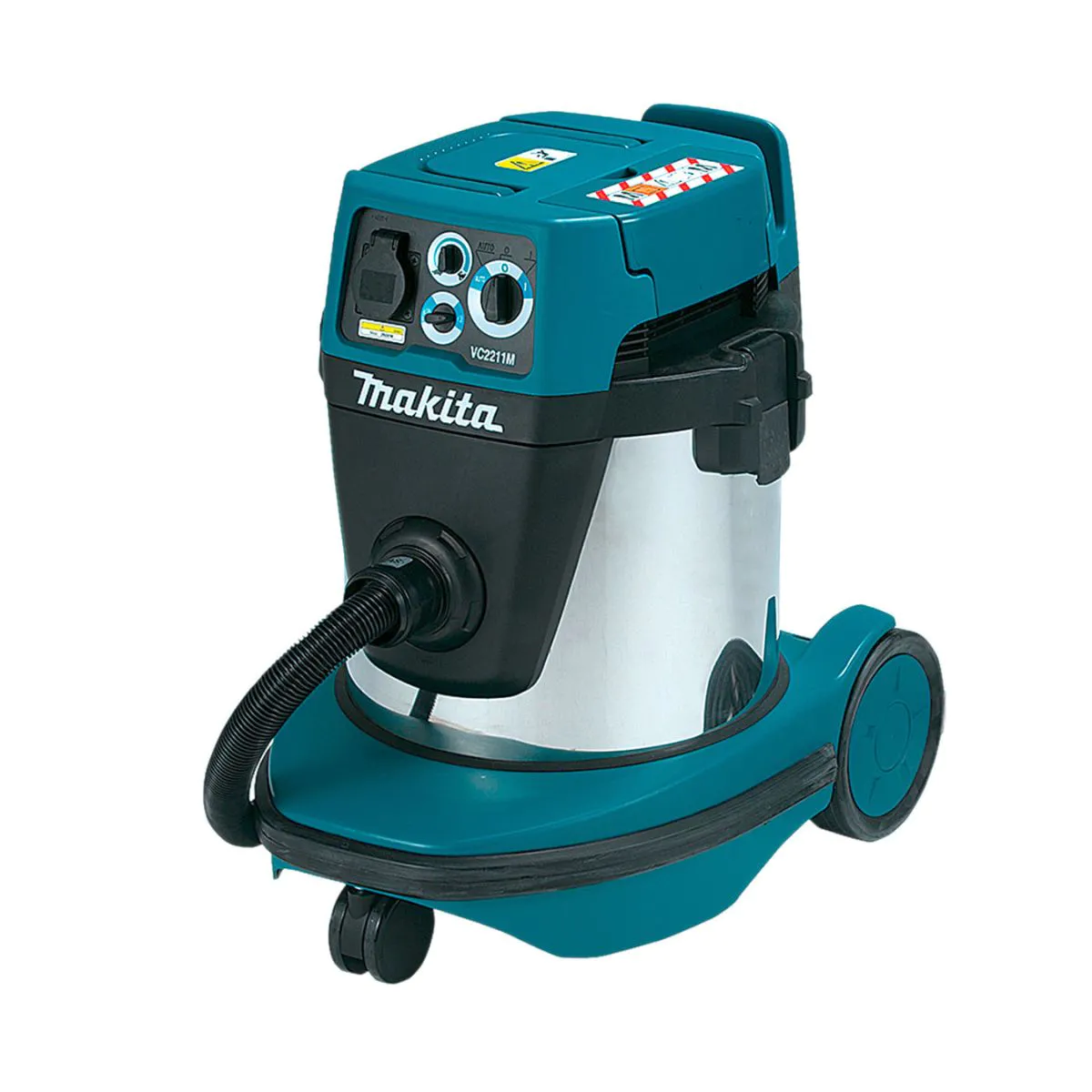
Wet and dry vacuum cleaners collect dust, shavings, sand, small construction debris, and liquids all in one machine. They are invaluable for repairs, installations, and cleaning garages, service shops, warehouses, workshops, or cars, where a standard household vacuum cleaner lacks the necessary capacity, durability, and protection when dealing with heavy-duty debris. This section of Toolsbox.bg features models for home and professional use, with varying container capacities, power, filtration, and accessories.
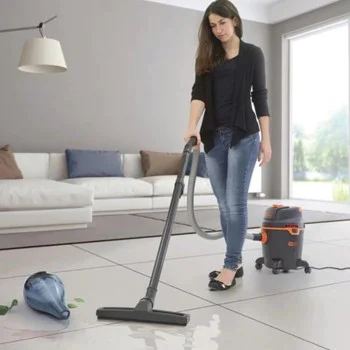
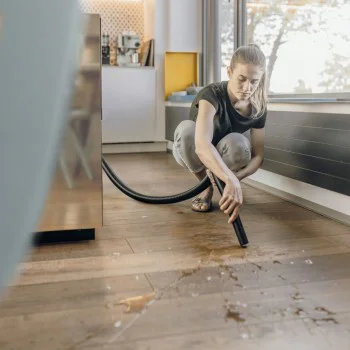
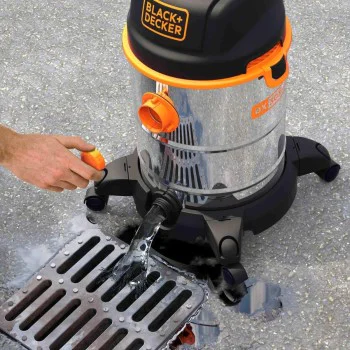
Vacuum cleaners for wet and dry cleaning differ from standard models in terms of container design, filter type, and how they handle liquids. In dry cleaning mode, they suck up fine dust, wood shavings, metal particles, plaster residue, and other debris typical of construction and renovation work. In wet mode, they are used to collect spilled water, muddy footprints, and liquids left after mopping floors or cleaning cars, provided the specific model is equipped with the necessary filters and safeguards.
Applications in service shops, construction sites, and the home
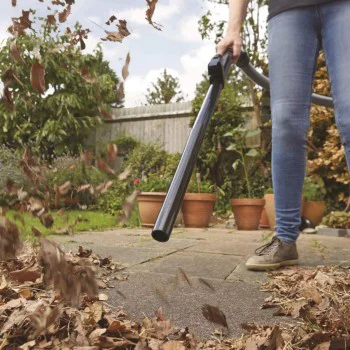
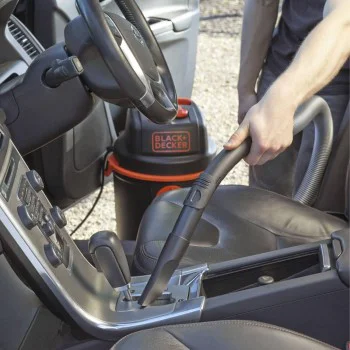
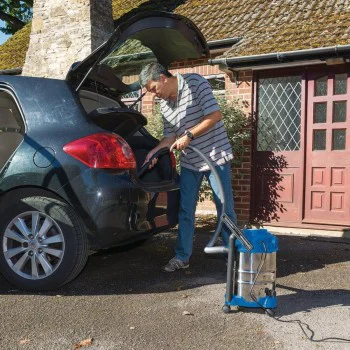
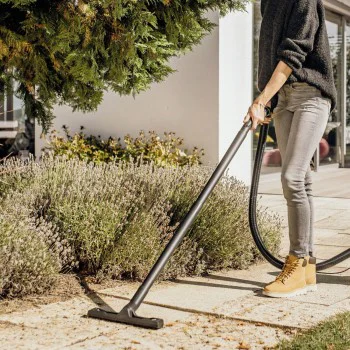
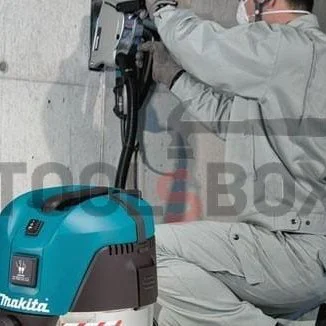
Devices of this type are used wherever cleanliness directly affects safety, work precision, and good organization. In a workshop, the vacuum cleaner keeps machines and work surfaces clean after cutting, sanding, drilling, or milling. In construction, it helps collect dust from plaster, putty, bricks, concrete, and wood. For home use, it is convenient for garages, basements, outbuildings, car interiors, and post-renovation cleaning.
- For repair and construction: collecting dust, sand, plaster fragments, and small debris from drilling and chiseling.
- For workshops: cleaning around circular saws, grinders, planers, bench machines, and hand-held power tools.
- For service shops and garages: dust, mud, shavings, liquids, and debris from floors, trunks, and interiors.
- For building maintenance: cleaning of storage rooms, hallways, utility rooms, and wet areas.
Types and Design Features
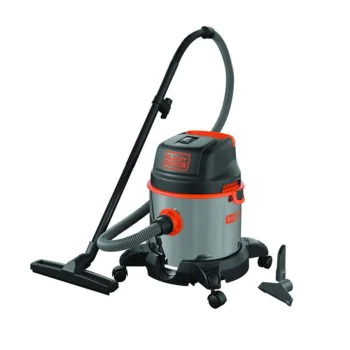
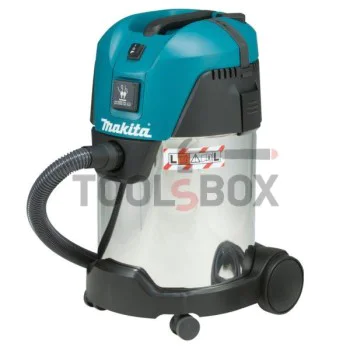
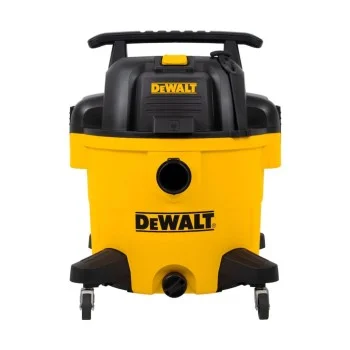
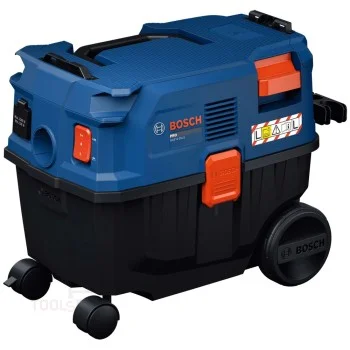
Different models are selected based on the workload and work environment. Compact units are convenient for limited space and occasional use. Larger vacuum cleaners with metal or reinforced plastic containers can handle a larger volume of debris and reduce interruptions for emptying. For professional use, the durability of the wheels, the length of the hose, ease of transport, and the stability of the body are important.
| Features | Practical significance |
|---|---|
| Container capacity | A smaller container is convenient for home and car use; a larger container is preferred for service and construction work. |
| Power and airflow | Affect the suction of fine dust, larger particles, and wet debris. |
| Filtration | Cartridge, fabric, or specialized filters trap dust and protect the motor. |
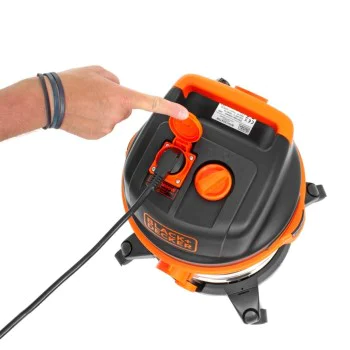
| Working with power tools | A plug, adapter, or hose connection facilitates dust extraction during sanding, cutting, and drilling. |
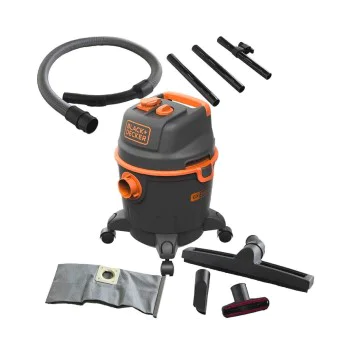
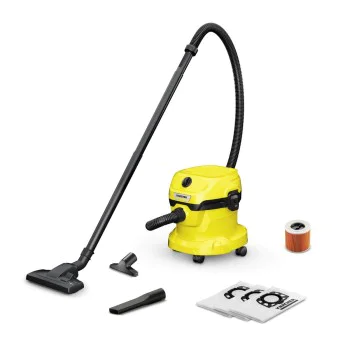
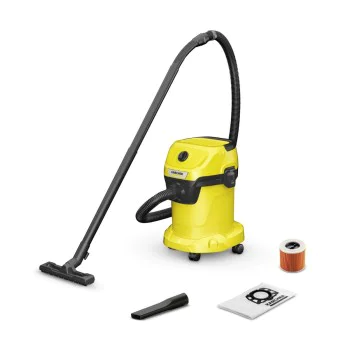
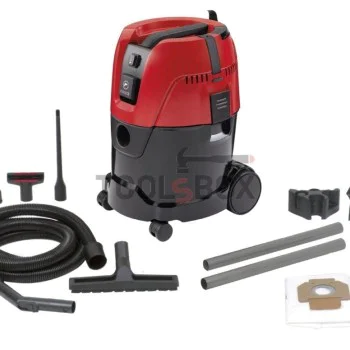
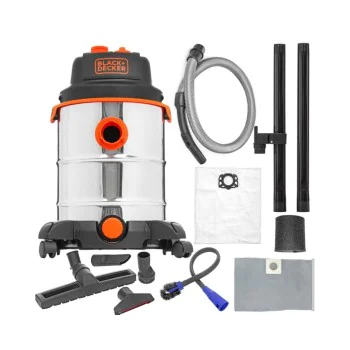
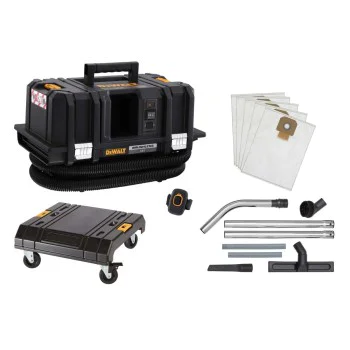
| Accessories | Nozzles, tubes, bags, and hoses expand the range of applications for various surfaces and work areas. |
How to choose the right model
Before purchasing, consider the type of debris, frequency of use, and available accessories. For fine construction dust, good filtration and the option to use a dust bag are necessary, as plaster, cement, and sanded materials put more strain on the filter than ordinary dust. For wet cleaning, look for a model with a moisture-resistant container and overflow protection. When working with cutting or sanding machines, pay attention to the hose diameter and adapters for the power tool.
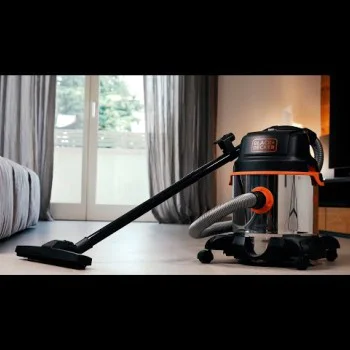
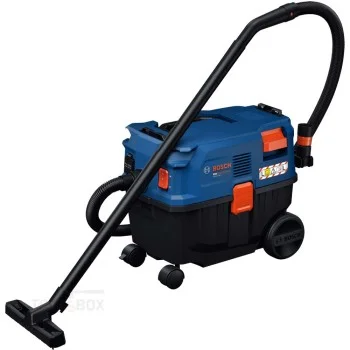
Vacuum cleaners for wet and dry cleaning with a longer cord and hose provide a larger working radius, which is convenient in a garage, storage room, or space with few outlets. Wide wheels make it easier to move the vacuum cleaner over uneven surfaces. Handles, accessory holders, and easy emptying of the dustbin reduce maintenance time during intensive use.
Filters, Bags, and Accessories
The filter is directly related to air purity and motor protection. For dry dust, cartridge filters, fabric filters, or dust bags are often used. For wet cleaning, a separate filter or bagless operation is typically used, depending on the appliance's design. After collecting liquids, the container must be emptied and dried to prevent unpleasant odors and the buildup of contaminants.
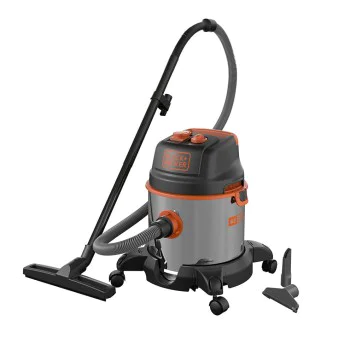
The attachments also play a role in the final result. Flat nozzles are convenient for floors and large areas, narrow nozzles reach into crevices, corners, and car seats, and brushes help with dust on more delicate surfaces. To connect to power tools, you need the right adapters and a hose with the appropriate diameter.
Safe Operation and Maintenance
Before use, check the condition of the filter, hose, and dust container. A clogged filter reduces suction and strains the motor, while a damaged hose impairs the tool's performance. Do not collect hot ash, smoldering materials, flammable liquids, or hazardous chemicals unless the specific model is designed for such tasks. When working with fine construction dust, use personal protective equipment and ensure the room is well-ventilated.
Regularly cleaning the container, replacing the bags, and maintaining the filters extend the machine's lifespan and preserve suction power. After wet cleaning, leave the container open until it is completely dry. Store the nozzles and hose without kinking them so they remain ready for the next use.
Choose a tool based on the actual task
Whether for repairs, post-installation cleaning, workshop maintenance, or garage care, the right tool saves time and minimizes the spread of dust and liquids. Browse the offerings at Toolsbox.bg and choose a vacuum cleaner based on the scope of work, type of debris, necessary accessories, and compatibility with your tools.