
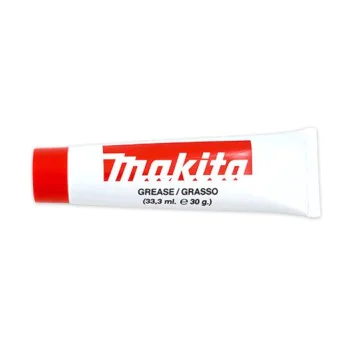
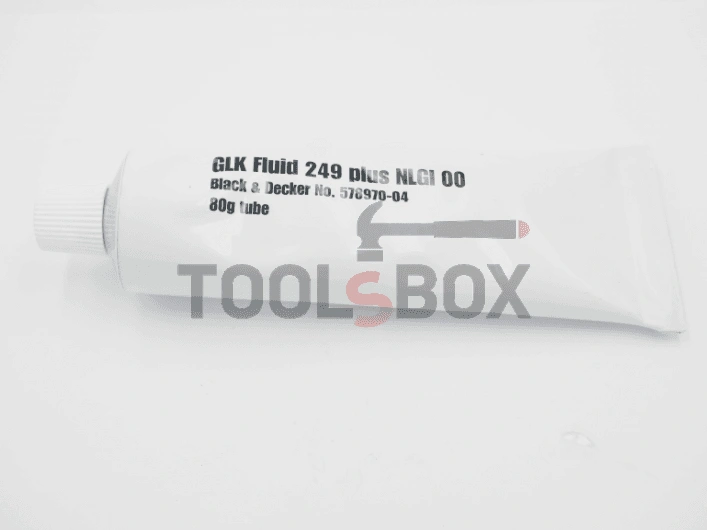
Grease for the wrench
Hammer Drill Grease - Lubricant for Heavy-Duty Impact Tools
Hammer drill grease protects the machine's internal components during hammering, concrete breaking, and work with chisels, augers, and bits. It forms a stable lubricating layer between moving parts, reducing dry friction, overheating, and premature wear. Properly selected jackhammer grease ensures smooth operation of the impact mechanism, chuck, and gearbox, while regular maintenance extends the power tool's service life.
In impact-driven machines, the load is high, and standard lubricants do not always meet the mechanism's needs. Here, formulations with good adhesion to metal surfaces, stable performance under pressure, and good protection against dust, vibrations, and overheating are required. This allows the tool to maintain its performance during construction, repair, demolition, installation, and maintenance work.
Product Range and Main Applications
Chisel grease is used in electric chisels, hammer drills with a chiseling function, jackhammers, and similar machines where there is constant contact between metal parts. The lubricant is applied according to the machine manufacturer's requirements and the lubrication point-on the shank of the working tool, in the chuck, or when servicing mechanical assemblies.
- For shanks of chisels, awls, and gouges-facilitates easy insertion, reduces wear on the shank, and prevents jamming.
- For chucks and holders-maintains normal movement of components during frequent tool changes.
- For gearboxes and impact mechanisms-during maintenance, it ensures lubrication of heavily loaded gears, bushings, and bearings.
- For professional and home use-for repair crews, construction sites, workshops, and more intensive tasks around the house.
The range of jackhammer grease includes various types of lubricants based on composition, consistency, and packaging. Options include lithium greases, graphite lubricants, molybdenum disulfide formulations, and variants with EP additives for high-pressure applications. Packaging sizes range from small tubes for periodic lubrication to larger containers for service centers and workshops.
Differences between the various lubricants
Greases for impact tools differ in density, adhesion to metal, behavior under heat, and protection against contamination. Thicker formulations remain on the work area longer and are practical in high-vibration conditions. Softer greases are easy to apply and are convenient for quick maintenance of shanks and chucks.
Chisel grease with anti-wear additives is valuable for prolonged work with concrete, stone, brick, and reinforced structures. The additives help maintain a stable lubricating film under pressure and impact, which protects the contact surfaces. Graphite and molybdenum compounds are preferred for heavily loaded metal assemblies where better protection against pressure is required.
The packaging format also varies. Tubes are convenient for toolboxes and quick on-site service. Cans and larger sizes are practical for service centers, workshops, and teams servicing multiple machines. When selecting, pay attention to the application method-directly from the tube, with a spatula, with a brush, or via service disassembly.
Selection based on the machine and workload
When selecting grease for a jackhammer, check the requirements in the machine's manual. The manufacturer typically specifies the type of grease, the application area, and the service interval. Compatibility is crucial for cartridges, seals, and gear assemblies, as an unsuitable formulation accelerates wear or attracts too much dust.
For light repair tasks and home use, a small package is often sufficient for lubricating the shanks of chisels and gouges. For professional work involving prolonged chiseling, drilling, and dismantling, choose a grease designed for heavier loads, with good adhesion to metal and anti-wear additives. For servicing gearboxes or impact mechanisms, select a formulation suited to the specific assembly and the manufacturer's requirements.
Grease for a jackhammer is not ordinary grease for bearings or automotive components. Impact tools operate under high vibration, dust, and sudden loads, so the grease must stay in place and protect the contact surfaces. Mixing different types of grease without checking for compatibility is not recommended, as the consistency and lubricating properties change.
Maintenance and Safe Operation
Regular lubrication maintains smooth chuck operation and reduces stress on the machine. Before application, clean dust, old residue, and metal particles from the area. Apply a moderate amount, spread it evenly, and avoid buildup that traps abrasive contaminants.
When changing a cutter or awl, inspect the shank for signs of overheating, scoring, or deformation. If the machine starts to overheat, make unusual noises, or lose impact power, lubrication is just one of the checks-it's possible that the cartridge is worn, the impact mechanism is damaged, or the machine needs servicing.
Store lubricants tightly sealed, away from dust and moisture. Contaminated grease transfers abrasive particles to working surfaces and accelerates wear. When working with hand tools, accessories, and consumables, wear gloves, protect your eyes, and follow the machine's safety instructions.
Practical buying tips
- Check the machine type-jackhammer, hammer drill, impact hammer, or combination power tool.
- Select a lubricant based on the application site-accessory shank, chuck, gearbox, or impact mechanism.
- Match the package size to your usage frequency-a small tube for occasional maintenance or a larger container for a workshop.
- Check compatibility with existing grease, seals, and the manufacturer's instructions.
- Do not use contaminated or hardened grease, as it loses its protective properties.
Select a grease for your jackhammer based on the machine, the load, and the manufacturer's recommendations. Toolsbox.bg offers a selection of lubricants and consumables for servicing, repairing, and regular maintenance of jackhammers, hammer drills, and other impact power tools.