
Smirgels
Emery wheels for sharpening, grinding, and finishing
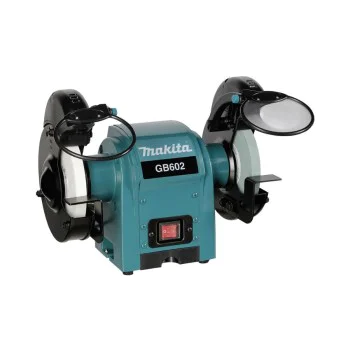
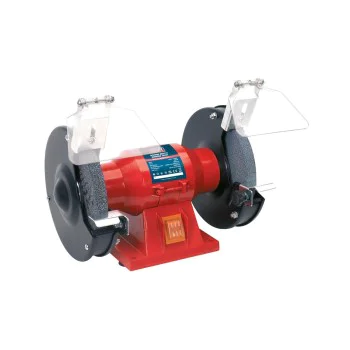
Grinding wheels are used for precision machining of metal parts, sharpening cutting edges, deburring, and preparing tools for use. These are stationary grinding machines that are used in workshops, garages, service centers, assembly facilities, and production units. With the right abrasive disc, the machine processes steel, cast iron, non-ferrous metals, and individual components made of various alloys without placing undue strain on the operator.
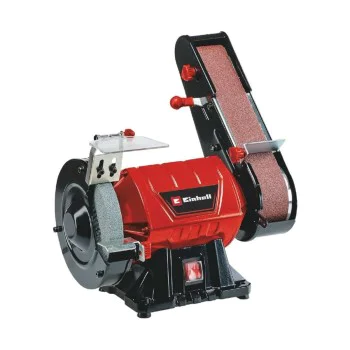
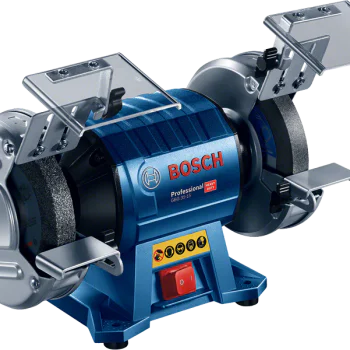
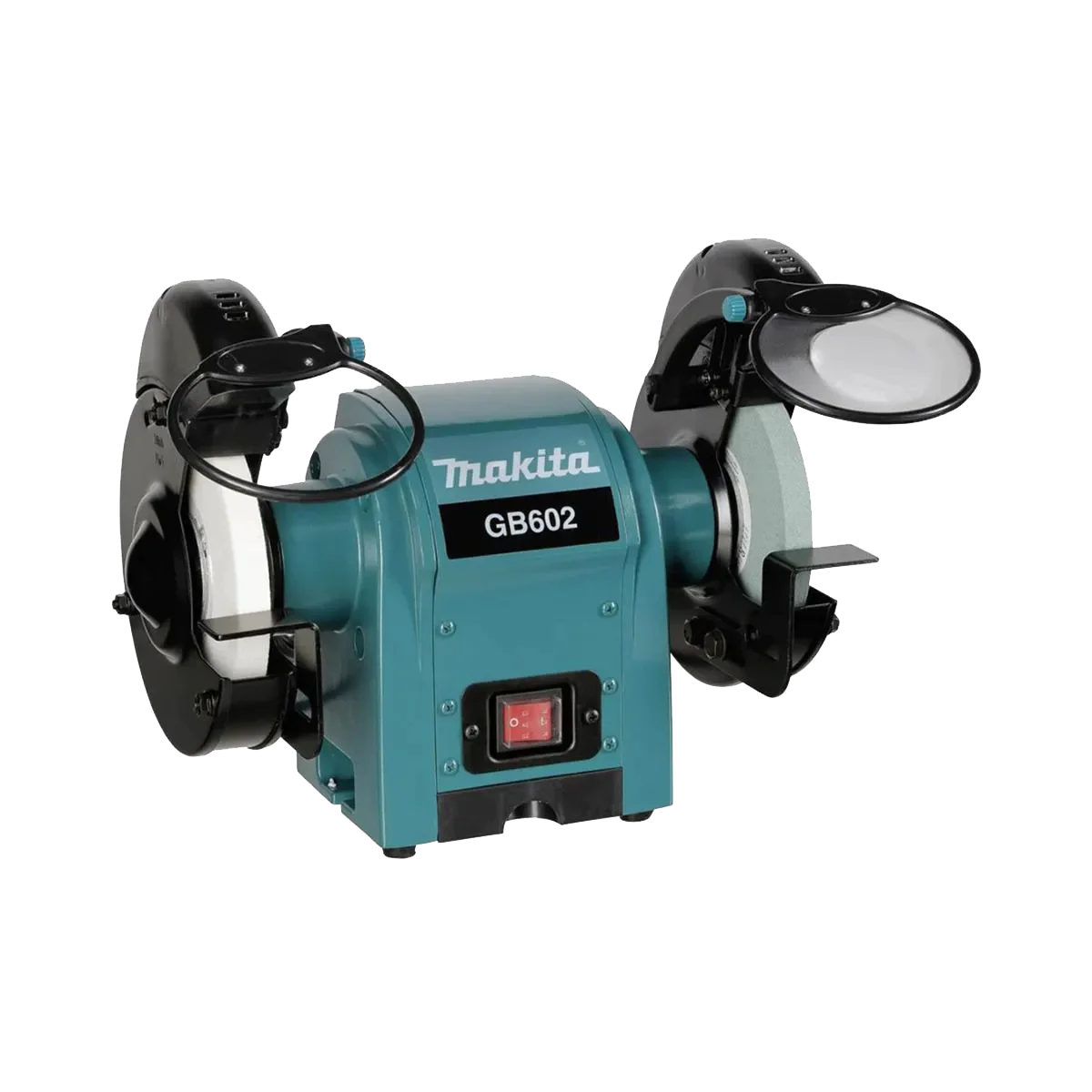
The range of grinders includes compact bench models for occasional home use, more powerful machines for service work, and combined versions with water cooling or belt sanding. The differences between the individual models are evident in the motor power, the diameter and width of the discs, the speed, the weight, the base, the safety guards, and the options for fine-tuning the supports.
What tasks are angle grinders used for?
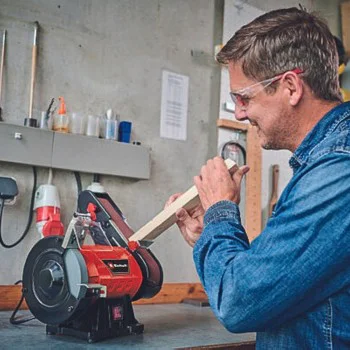
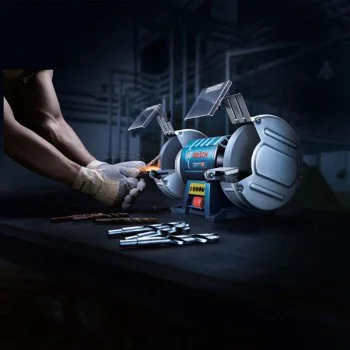
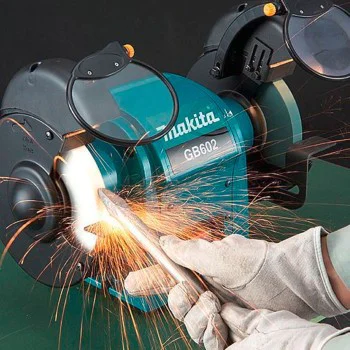
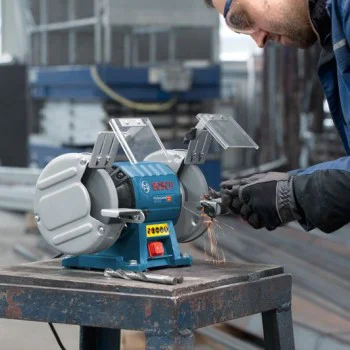
Grinders are used for maintaining drill bits, chisels, plane blades, choppers, shears, cutting plates, and various hand tools. In repair work, they are useful for shaping small metal parts, smoothing edges after cutting, removing weld marks, and preparing surfaces before assembly or painting. In a service setting, they facilitate quick correction of cutting edges, and in the home workshop, they save time on minor repairs and maintenance of garden and construction tools.
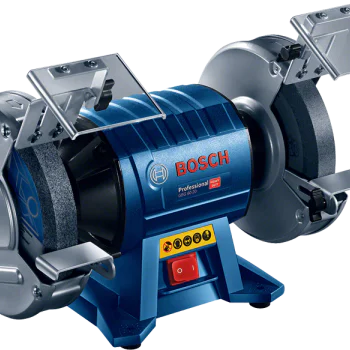
When sharpening, apply moderate pressure and maintain the correct angle relative to the disc. For rough shaping, a coarser grit is preferred, while a finer abrasive structure is used for a cleaner edge. Machines with two working wheels offer a practical combination of coarse and fine processing without frequent replacement of consumables.
Types of sanding discs and their advantages
Different sanders are selected based on the workload, the type of material being processed, and the installation location. Bench-top models are convenient for mounting on a workbench and take up little space. Heavier machines remain stable during prolonged operation and reduce vibrations. Combination models offer more flexible processing when belt sanding is required in addition to disc sanding.
| Machine type | Intended use | Practical benefits |
|---|---|---|
| Bench grinder with two discs | Sharpening and general grinding | Two different abrasives for coarse and finer grinding |
| Wet stone grinder | Controlled sharpening | Less heat build-up on the cutting edge |
| Combined emery belt | Shaping and smoothing | Easier work on flat and elongated workpieces |
| More powerful service model | Intensive use | Better stability under load |
Criteria for selecting a machine
When selecting grinders, the key factors are power, disc size, and the nature of the tasks. Smaller machines are practical for sharpening light tools and short operations. A larger disc diameter provides a more comfortable contact area and extends the life of the consumable. A motor with sufficient power ensures smooth operation under pressure and reduces the risk of stalling during grinding.
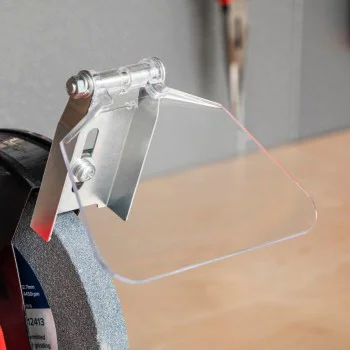
Check the width of the grinding wheel, the size of the spindle bore, the presence of adjustable supports, and transparent safety guards. A stable base and the ability to mount the machine to a workbench are valuable for precision operations. If the machine will be moved frequently, weight and dimensions are important for convenience. For work with cutting tools where heat build-up is undesirable, a water-cooled model or a finer-grit disc is a suitable choice.
Abrasive discs, grit, and compatibility
The work result depends not only on the machine but also on the right abrasive. Discs vary in diameter, thickness, bore, hardness, and grit size. Coarse grit removes more material and is practical for shaping, while fine grit leaves a smoother surface and a cleaner, sharper edge. Compatibility with the specific model is essential in terms of dimensions and permissible speeds.
For dual-wheel sanders, different discs are often combined so that one side is used for rough work and the other for finishing. When changing the disc, ensure proper centering, even tension, and the absence of visible cracks. A balanced disc protects the bearings and reduces vibrations.
Safety, Maintenance, and Ease of Use
Grinders operate at high speeds, so eye protection and a stable operator stance are mandatory. Safety guards must not be removed, and the supports should be adjusted close to the disc to prevent the workpiece from getting caught. Transparent shields, spark arrestors, and a well-lit work area improve control during grinding. The workpiece is fed smoothly, without applying lateral pressure to the disc.
Regular maintenance includes cleaning dust and metal particles, inspecting the cable and housing, checking the supports, and monitoring the condition of the abrasive wheels. If the disc is worn, dirty, or uneven, use a suitable tool to refresh the working surface. This ensures the machine maintains stable operation and more precise contact with the workpiece.
Sandpaper for workshops, service centers, and home use
Sanding machines are a useful piece of equipment for anyone who maintains tools, works with metal parts, or performs repair work. Professional users look for power, stability, and durability under daily use, while demanding DIYers value compact size, easy setup, and good control during sanding. Browse the selection at Toolsbox.bg and choose a machine that suits your tasks, workspace, and required accessories.