
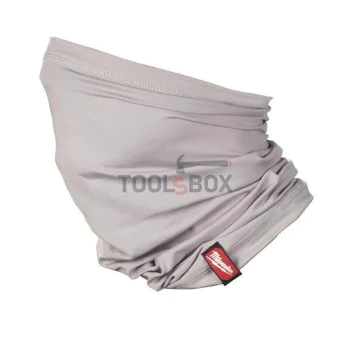
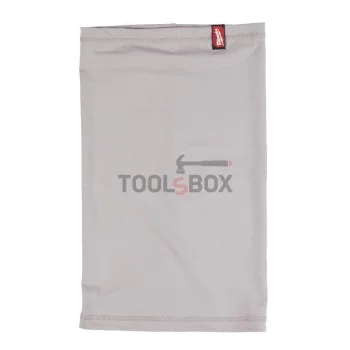
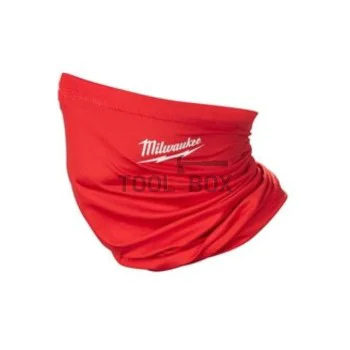
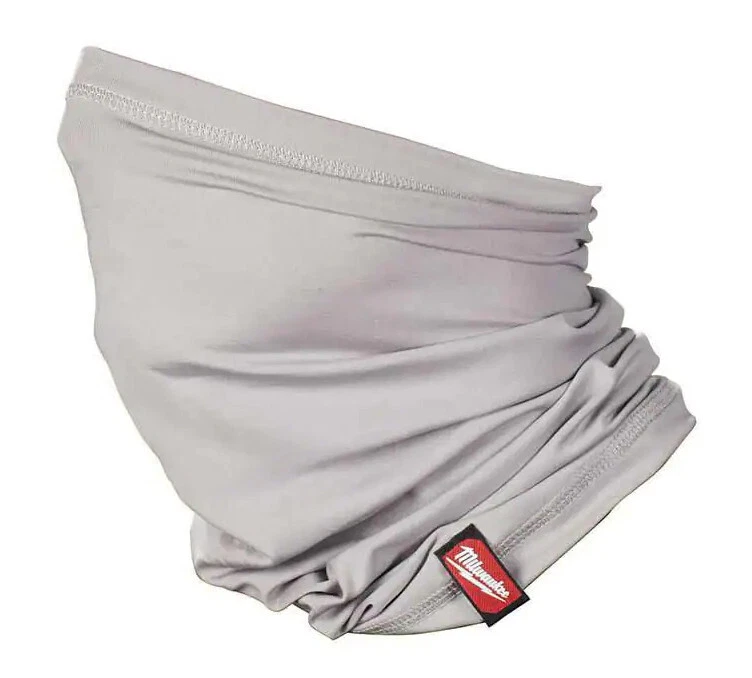
Bandana scarf
Bandana Scarf for Work, Sports, and Everyday Protection
A bandana scarf is a practical textile accessory for protecting the head, face, neck, and ears while working outdoors, in a workshop, on construction sites, during repairs, installation, maintenance, sports, and travel. It takes up little space, is quick to put on, and can be worn in several ways depending on the task, season, and personal comfort. In the category of headwear, this type of multifunctional scarf is a convenient alternative to a classic hat, headband, or light face covering when flexibility and good freedom of movement are needed.
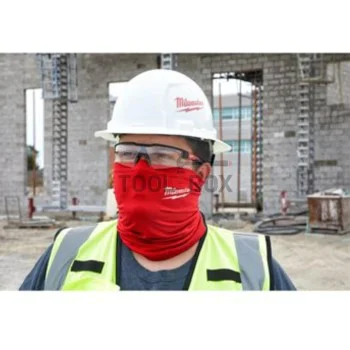
The bandana scarf is used by craftsmen, installers, gardeners, cyclists, hikers, and people who work or spend time in dusty, windy, sunny, or cold environments. When cutting, sanding, mowing, loading, performing maintenance tasks, or working with hand tools, it reduces direct skin contact with dust, sawdust, splashes, and wind. For lighter tasks, it is worn as a neck scarf, and when face coverage is needed, it is pulled over the nose and mouth.
Purpose and Ways to Wear
The bandana scarf is valued for its versatile shape. It is most often an elastic tubular piece of fabric with no rigid elements, so it does not interfere with the use of a helmet, ear muffs, safety goggles, or a hood. Depending on how it is folded and worn, the same model can serve as a headscarf, a sweatband, a dust mask, a neck scarf, a thin cap under a helmet, or an ear cover.
When working outdoors, the bandana scarf protects against sun and wind, and during activities in a garage or workshop, it helps keep hair out of the way and reduces irritation from dust. For gardening, it is convenient for mowing, trimming bushes, raking leaves, and working with soil. For sports and hiking, it provides light coverage without feeling like a heavy winter accessory.
Fabric, thickness, and comfort
Models vary in material, thickness, elasticity, and feel against the skin. Lightweight fabrics are suitable for warm weather, active work, and sports because they dry quickly and allow for better moisture wicking. Thicker options provide more warmth in cool weather and are useful in windy conditions, during early morning shifts, or when working in unheated spaces.
When choosing a bandana scarf, pay attention to the softness of the fabric, its resistance to stretching, and the quality of the edges. Rough seams and overly tight fabric can cause discomfort during prolonged wear. Stretchy fabric should fit snugly without pressing too tightly against the face or neck. For people with sensitive skin, smoother fabrics with a pleasant feel are preferable.
How to Choose a Bandana Scarf Based on Your Activity
Choose a bandana scarf based on the environment, how long you'll wear it, and the level of coverage you need. For construction, renovation, and installation work, a practical model that doesn't slip easily and can be worn under a hard hat is ideal. For workshops and service centers, look for a thin yet durable fabric that doesn't restrict head movement. For gardening and yard work, models that provide good protection for the neck against sun and dust are comfortable.
| Criterion | What to look for | Use at work |
|---|---|---|
| Material | Lightweight, stretchy, or heavier fabric | Comfort depending on the season and activity level |
| Cover | Can be worn on the head, face, and neck | More flexibility for various tasks |
| Compatibility | Comfortable under a helmet, hood, goggles, or ear muffs | Improved performance with protective equipment |
| Maintenance | Easy to wash and quick-drying | More hygienic for daily use |
Size and fit
Most models are one-size-fits-all, but the actual fit depends on head circumference, elasticity, and fabric length. The longer bandana scarf covers the neck better and allows for more ways to wear it. Shorter versions fit more snugly and are comfortable during active movements. When working with machinery and power tools, the fabric must be securely tucked away, with no loose ends near rotating parts.
Safety, Hygiene, and Maintenance
A bandana does not replace professional respiratory protection, a safety helmet, goggles, or specialized work clothing. It is an additional layer of fabric to protect against light dust, sun, wind, and cold. In cases of heavy dust, work with chemicals, grinding of hazardous materials, or strong fumes, personal protective equipment designed for the specific activity is required.
To extend the life of the fabric, follow the washing instructions, avoid contact with sharp edges, and store the bandana in a dry place. For daily use, it is advisable to have more than one bandana, especially when working in dusty environments or when sweating heavily. Clean fabric is more comfortable to wear and reduces the risk of skin irritation.
Bandana for professional and home use
A bandana is a small but useful piece of workwear for craftsmen, technicians, gardeners, and active users at home. It complements hats and protective accessories, provides flexible coverage, and pairs easily with other gear. Browse the selection at Toolsbox.bg and choose a model based on the season, work environment, desired thickness, and how you plan to wear it.