
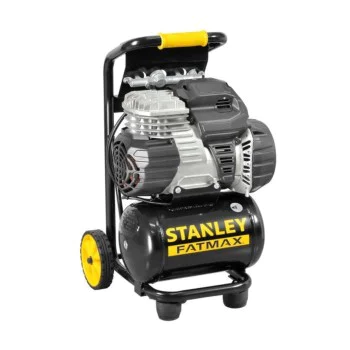
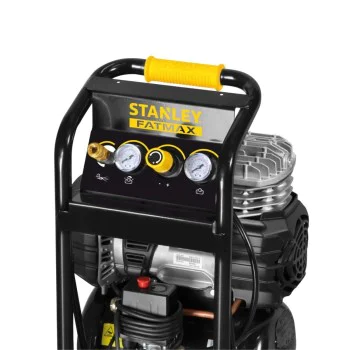
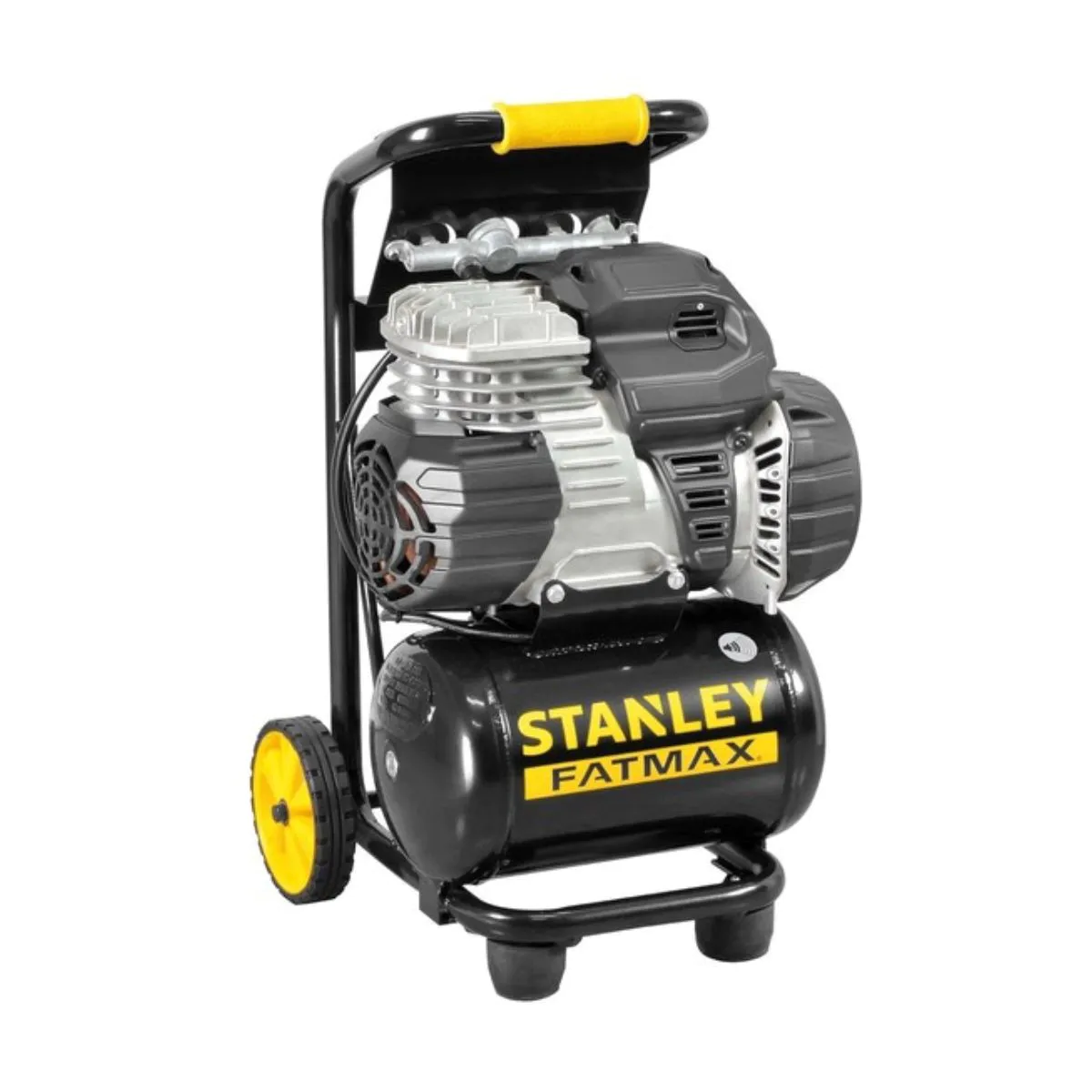
Compressors for painting
Painting compressors for the even application of paint, varnish, and primer
Painting compressors are used to power air spray guns when painting metal, wood, plastic, furniture, cars, structures, fences, doors, and parts of various shapes. They supply compressed air to the spray gun, and the correctly selected flow rate and stable pressure help ensure an even spray, better material atomization, and more controlled operation. Toolsbox.bg offers models for service work, paint shops, construction and repair tasks, and precision home use.
With this type of equipment, it is not enough to look only at the maximum pressure. For painting, the actual air flow rate, the receiver volume, the type of compressor head, the operating mode, and compatibility with the selected spray gun are more important. HVLP, LVLP, and conventional airbrushes have different air consumption rates, so the compressor must maintain the required flow without sudden drops.
What Do Painting Compressors Include
The range includes piston compressors with receivers, compact models for lighter tasks, machines with larger tanks for continuous operation, and variants with different electric motor power ratings. Some compressors are oil-lubricated, while others are oil-free. Oil-lubricated models are preferred for heavier-duty use due to the effective lubrication of the working components. Oil-free variants are suitable for cleaner environments, easier maintenance, and tasks where the risk of oil particles in the air line is undesirable.
Painting compressors are combined with paint spray guns, air hoses, quick-connect fittings, pressure-reducing valves, moisture separators, filters, and pressure gauges. In painting work, the presence of a pressure regulator and a condensate separation system is of great importance, as moisture in the air causes defects in the coating, such as splatters, spots, or an uneven finish.
Applications in Painting and Varnishing
Compressors in this group are used for applying primers, enamel paints, water-based paints, varnishes, impregnating agents, and protective coatings. In auto repair shops and paint shops, they assist in painting fenders, bumpers, rims, and individual parts. In woodworking shops, they are used for varnishing furniture, doors, frames, panels, and decorative elements. In construction and renovation work, they are practical for metal structures, railings, fences, radiators, and other surfaces where a brush or roller does not provide a sufficiently even coat.
For small repairs, hobby projects, and occasional household tasks, a more compact compressor with a moderate-sized air tank is often sufficient. For continuous painting of larger areas, working with higher-viscosity materials, or using spray guns with higher air consumption, a model with higher flow rate and a larger tank is needed to avoid pauses for pressure recovery.
Criteria for selecting a paint sprayer
When comparing different models, pay attention to several technical specifications. These determine whether the machine will operate reliably with the specific spray gun and whether it will handle the planned workload.
- Air flow rate-measured in liters per minute-must match the spray gun's consumption at operating pressure.
- Operating pressure-lower values are used for many spray guns, but stability is more valuable than a high maximum.
- Receiver volume-a larger tank provides a more consistent air supply and reduces the frequency of motor activation.
- Motor power-affects performance and pressure recovery after prolonged operation.
- Compressor type-oil-lubricated or oil-free, depending on maintenance needs, the work environment, and air purity requirements.
- Mobility-wheels, handle, weight, and dimensions are practical for moving between work areas.
- Noise and cooling-important when working in enclosed spaces, small repair shops, and garages.
Comparison of compressor types for painting tasks
| Compressor type | Characteristic | Typical use |
|---|---|---|
| Compact with a small receiver | Easy to transport, for short work cycles | Minor repairs, hobby painting, small parts |
| Piston oil compressor | Good lubrication and stable operation under frequent use | Service, workshop, painting furniture and metal |
| Oil-free compressor | Cleaner air and easier maintenance | Fine finishes, interior details, occasional use |
| Compressor with a larger receiver | Longer runtime with fewer pressure drops | Larger areas, auto detailing, extended painting |
Compatibility with spray guns, hoses, and filters
A paint compressor works best as part of a properly prepared air line. The diameter and length of the hose affect pressure loss, and quick-connect fittings must be compatible with the machine and spray gun outlets. When working with fine coatings, it is advisable to use a moisture trap and filter placed near the spray gun or at the compressor outlet.
The pressure-reducing valve allows for precise adjustment based on the material and nozzle. Lower pressure often results in less paint mist, while higher pressure aids in atomizing thicker materials. The paint viscosity, nozzle size, and spraying technique must be matched to the air flow to achieve an even coat without sagging, orange peel, or dry spatter.
Maintenance, Safety, and Long Service Life
Regularly draining condensate from the receiver protects the unit from corrosion and reduces moisture in the air line. For oil-lubricated compressors, monitor the oil level and use the appropriate lubricant according to the manufacturer's instructions. Filters must be cleaned or replaced in a timely manner, and connections and hoses must be inspected for leaks.
When painting, work in a well-ventilated area and use personal protective equipment-a respirator for paint fumes, goggles, gloves, and protective clothing. Do not exceed the maximum pressure rating of the spray gun, hose, and accessories. Stable positioning of the compressor, a clean work environment, and proper storage of the equipment reduce wear and tear and improve the predictability of each operation.
Choose a paint sprayer compressor from Toolsbox.bg
Painting compressors are a practical solution for anyone looking to apply coatings precisely with an air spray gun. Compare models by flow rate, receiver capacity, power, lubrication type, and available accessories to select a machine that matches your spray gun, the material being sprayed, and the workload in your workshop. At Toolsbox.bg, you can choose a compressor for service, construction and repair, or home use and combine it with the necessary hoses, filters, connectors, and painting accessories.